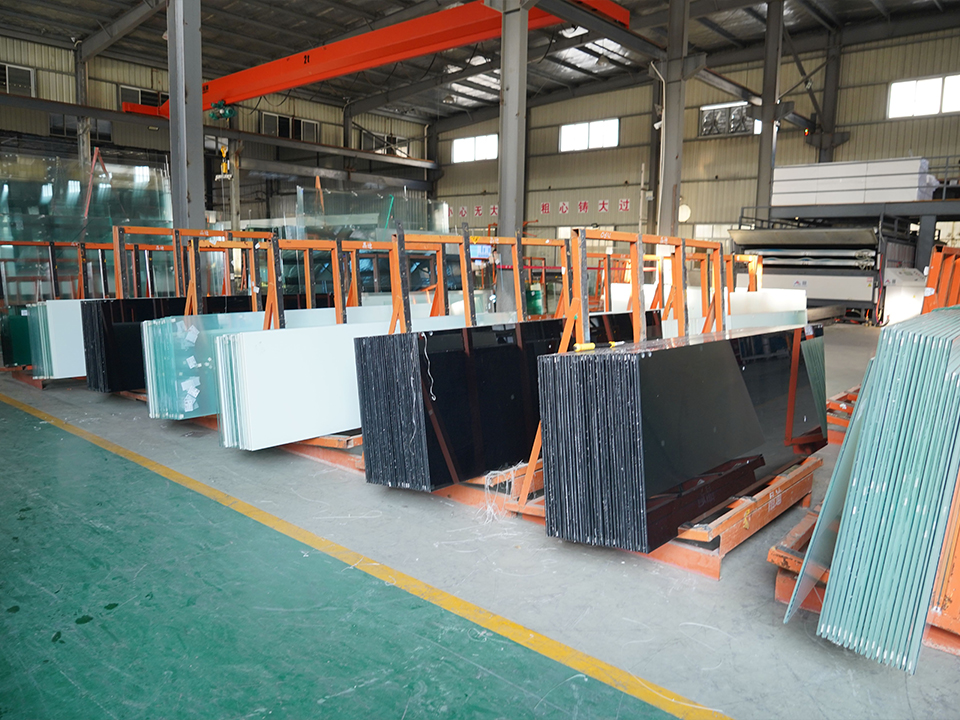
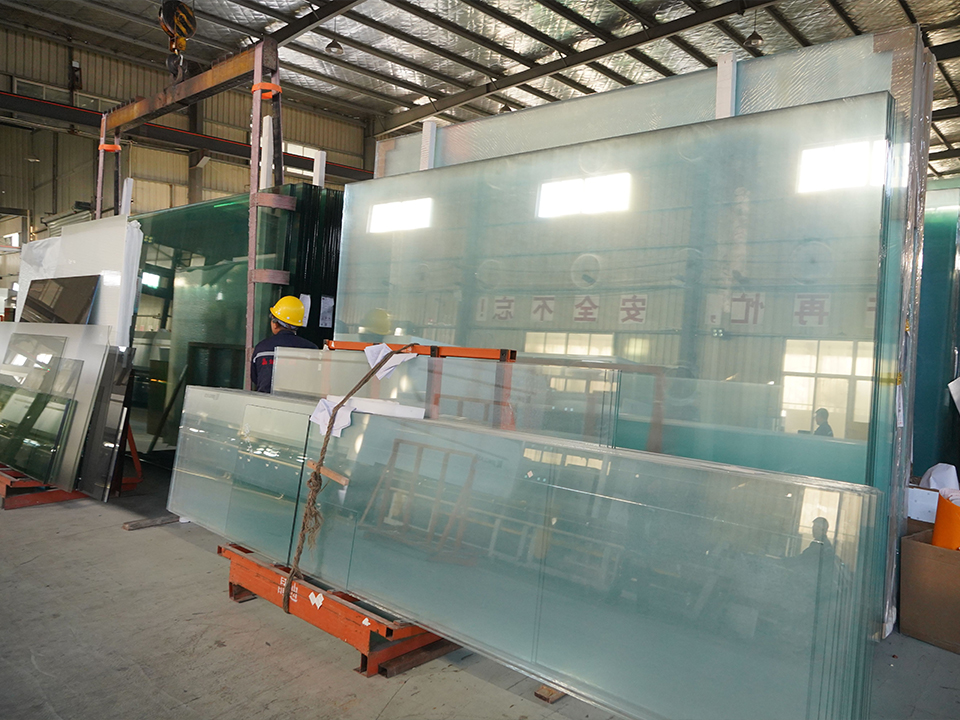
Somos un fabricante líder de vidrio con sede en China,
Especializados en soluciones de vidrio de alta calidad para aplicaciones industriales y arquitectónicas.
Gracias a nuestros años de experiencia y a nuestra certificación ISO, ofrecemos presupuestos rápidos y personalizados, así como un servicio de atención al cliente ágil, a profesionales de compras, ingenieros y jefes de proyecto de todo el mundo.
Somos un fabricante líder de vidrio con sede en China,
Especializados en soluciones de vidrio de alta calidad para aplicaciones industriales y arquitectónicas.
Gracias a nuestros años de experiencia y a nuestra certificación ISO, ofrecemos presupuestos rápidos y personalizados, así como un servicio de atención al cliente ágil, a profesionales de compras, ingenieros y jefes de proyecto de todo el mundo.
Vidrio ultratransparente frente a vidrio transparente estándar en escaparates de alta gama
Eso parece ridículo hasta que te encuentras frente al escaparate de una relojería de lujo, un buque insignia de la estética o un escaparate de estilo minimalista en el que la iluminación de los artículos se ha ajustado al milímetro, solo para que un simple cristal transparente proyecte un tenue matiz verde botella sobre los blancos, los metales, la tez y las piedras preciosas. ¿Por qué gastarse una cifra de seis dígitos en merchandising, para luego dejar que el óxido de hierro empañe silenciosamente la imagen de la marca?
He visto cómo cometían este error arquitectos excelentes, proveedores desmotivados y equipos de compras que se dejaban llevar por una hoja de cálculo. El plano indica “vidrio transparente templado”. El proveedor presupuesta vidrio flotado convencional. Todo el mundo da su visto bueno. Después aparece la maqueta inicial, y el borde del vidrio parece el de una pecera barata.
Esa es la verdadera batalla entre el cristal ultratransparente y el cristal transparente: no es poesía, ni lenguaje publicitario, sino si el escaparate protege la tonalidad que la marca ha pagado por desarrollar.
¿Qué cambios supone realmente el vidrio con bajo contenido en hierro?
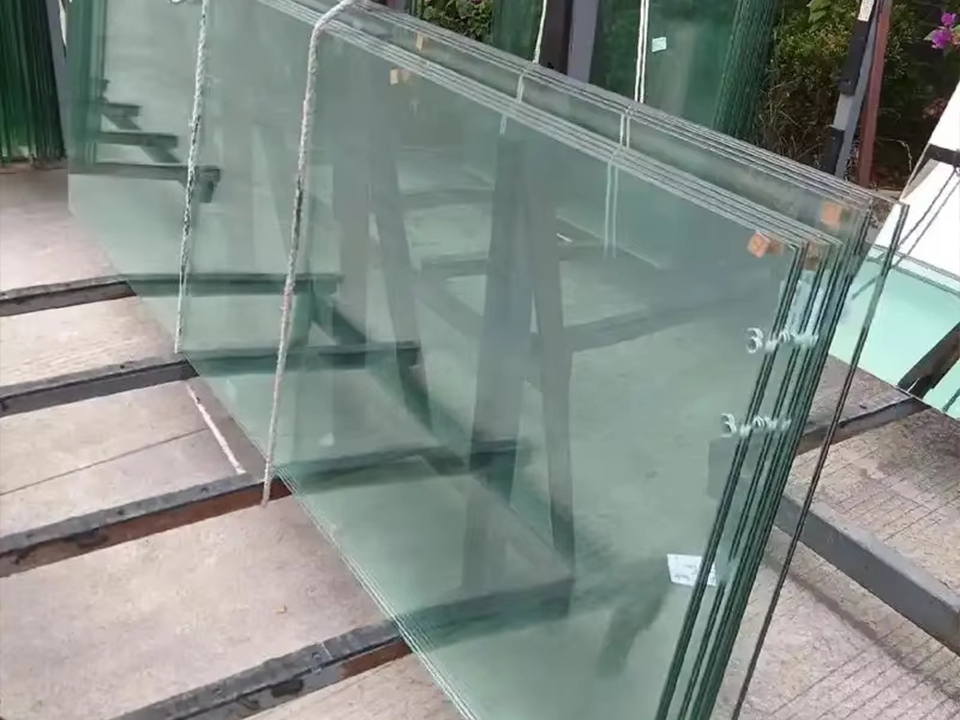
El vidrio con bajo contenido en hierro es un vidrio flotado fabricado con un contenido mínimo de hierro, generalmente con un contenido reducido de Fe₂O₄, lo que reduce el tono verdoso característico del vidrio de sosa y cal típico y, por lo general, aumenta la transmisión de la luz visible. En el caso del vidrio de alta calidad para tiendas, esto se traduce en blancos más puros, menos pigmentación en los bordes y un color mucho más fiel de los artículos bajo la iluminación de los comercios.
El cristal transparente estándar no es “malo”. Esa es la cruda realidad inicial. Es barato, fácil de conseguir, resulta familiar desde el punto de vista estructural y resulta perfectamente adecuado para innumerables trabajos en escaparates de tiendas, en los que el cristal no forma parte de la imagen de marca.
Sin embargo, en las tiendas de lujo, el cristal no es solo un obstáculo. Forma parte del canal de venta visual.
Un cristal transparente común de 6 mm puede parecer adecuado por sí solo. Pero si lo se combina con vidrio laminado, doble acristalamiento, fachadas de pantallas de gran tamaño, estanterías iluminadas o bordes de retorno profundos, su carácter ecológico cobra mayor protagonismo. Con un vidrio más grueso, el color deja de ser un simple matiz para convertirse en una declaración de intenciones.
El secreto oculto: “Claro” no es una especificación
A continuación se explica por qué este sector es peligroso. El “cristal transparente” parece un detalle sin importancia. Pero no lo es.
“Transparente” puede referirse a un vidrio flotado estándar. Podría referirse a un vidrio con bajo contenido en hierro. Puede referirse a un vidrio laminado transparente. Podría referirse a un vidrio templado transparente. Podría referirse a una unidad de vidrio aislante (IGU) transparente de bajo emisividad (Low-E) con una capa que modifica la reflectancia. La palabra «transparente» no sirve de guía a nadie a menos que la ficha técnica especifique el sustrato del vidrio, el espesor, el tratamiento, el recubrimiento superficial, las características de seguridad y las resistencias.
Así pues, cuando un proveedor de servicios pregunta: “¿Prefieres ”claro” o “ultraclaro”?», lo que realmente quiere saber es lo siguiente: ¿qué defecto visual puede permitirse tu marca?
A la hora de comparar el vidrio con bajo contenido en hierro con el vidrio transparente habitual, tengo en cuenta cuatro aspectos principales: la transmisión de luz apreciable, el color de los bordes, el color que presenta y la uniformidad del lote. Después, valoro la seguridad, el rendimiento térmico, el plazo de entrega y el precio. En ese orden. No es que el coste no importe, sino que un sustrato inadecuado puede hacer que todo el escaparate parezca de baja calidad.
Donde el cristal ultratransparente genera beneficios
El vidrio ultratransparente se vende muy bien en escaparates de tiendas de lujo, donde la precisión cromática se aprecia a simple vista.
Pensemos en joyerías de moda, tiendas de cosméticos, galerías de arte, tiendas de ropa de lujo, dispositivos de alta gama, ópticas, concesionarios de automóviles, salas de exposición de vinos y tiendas conceptuales con interiores blancos. En estos entornos, el cristal transparente normal puede hacer que el cromo parezca más frío, que los blancos se vean más apagados y que las vitrinas transparentes parezcan más grandes de lo que realmente son.
Sin duda, recomendaría el vidrio con bajo contenido en hierro prácticamente de inmediato para:
Vitrina comercial con bordes pulidos. Cristales de altura completa con amplias líneas de visión. Interiores de alta gama en estilo «caja blanca». Museos, galerías y salas de experiencia de marcas. Aletas, estantes, rieles y mamparas de aspecto estructural de cristal grueso. Acristalamientos laminados en los que las múltiples capas realzan el color. Categorías sensibles a la iluminación, como cosméticos, relojes, joyería fina y dispositivos electrónicos de lujo
Una diferencia mínima. Una facturación enorme.
La diferencia parece insignificante en una muestra. Pero resulta abrumadora cuando se instalan 80 metros cuadrados bajo luces LED de 4000 K y el director de la tienda pregunta por qué la fachada tiene un aspecto tan ecológico.
Por qué el vidrio transparente Criterion es la mejor opción empresarial
Esta es la opinión que molesta a los vendedores de vidrio: el vidrio con bajo contenido en hierro suele venderse por encima de su valor real.
Si el escaparate utiliza marcos oscuros, capas intermedias de color, gráficos llamativos de la marca, frit, malla, persianas o interiores en tonos cálidos, el cristal transparente habitual podría ser la opción más acertada. Si la superficie acristalada es pequeña, el borde queda oculto y el producto no es sensible al color, invertir en cristal ultratransparente puede ser un gasto superfluo.
El vidrio transparente estándar resulta adecuado para el acristalamiento de los escaparates de los comercios en el día a día, donde se busca transparencia, resistencia, cumplimiento de las normas de seguridad y protección, y unos costes previsibles. Las tiendas de conveniencia, los gimnasios, los bancos, las clínicas, los comercios minoristas de gama media, las mamparas de las zonas de servicio y muchos escaparates de centros comerciales no siempre requieren vidrio con bajo contenido en hierro.
Sin embargo, los escaparates de primera categoría son muy variados. Se evalúan en cuestión de segundos. Un transeúnte no lee las condiciones. Se fija en el brillo, la profundidad, la limpieza y la confianza que transmite.
El problema energético que nadie quiere reconocer abiertamente
«Ultra-clear» es una opción estética. No es, por sí misma, un método energético.
Esta frase surge porque sigo oyendo a los compradores confundir el bajo contenido en hierro con el aislamiento térmico. El bajo contenido en hierro mejora la claridad y la transmisión visible; no mejora de forma notable el valor U, el coeficiente de ganancia de calor solar, el resplandor, la incomodidad por radiación ni el riesgo de condensación.
En el caso de los talleres de repintado exterior, yo dividiría la decisión en varias fases:
Sustrato con bajo contenido en hierro para preservar la integridad del color. Recubrimiento Low-E para el control térmico. Estructura laminada para mayor seguridad y protección, y amortiguación acústica. Estructura de vidrio aislante (IGU) para el aislamiento y el control de la condensación. Espaciador y relleno de gas para una mayor eficiencia en los bordes. Tratamiento térmico para aumentar la resistencia y reducir el riesgo de rotura.
Si la tienda da a una calle con mucho calor, a una ruta de acceso al aeropuerto o a una plaza con mucho resplandor, es posible que el mejor cristal para tiendas no sea el monolítico ultraclaro. Podría ser un cristal exterior con bajo contenido en hierro integrado con un Vidrio aislante de doble cámara con revestimiento Low-E para uso en exteriores o un dispositivo a medida con doble acristalamiento.
En los debates sobre la envolvente de los edificios celebrados en 2024, la orientación tecnológica era evidente: las ventanas y las fachadas se abordan cada vez menos como elementos de diseño y cada vez más como dispositivos que influyen en los costes de funcionamiento. Los programas energéticos de la ciudad de Nueva York llegaron incluso a ofrecer incentivos para mejorar el rendimiento energético de las ventanas secundarias en edificios industriales, debido a que los grandes edificios acristalados acarrean multas reales por consumo energético. Es cierto que los escaparates de las tiendas son más pequeños que las torres, pero las leyes de la física no hacen excepciones con las marcas minoristas.
El nivel de seguridad y protección: «Premium» no significa «delicado»
Por muy caro que sea un cristal, no sirve para nada si no supera la evaluación de riesgos.
Los comercios se ven afectados por personas, carritos, bicicletas, puertas, productos de limpieza, intentos de robo, estrés térmico y una instalación incorrecta. Por eso, el cristal de las tiendas suele requerir una estructura de cristal solidificado, termorresistente, laminado o laminado y templado, en función de la normativa regional, las dimensiones de los paneles, la ubicación y el riesgo.
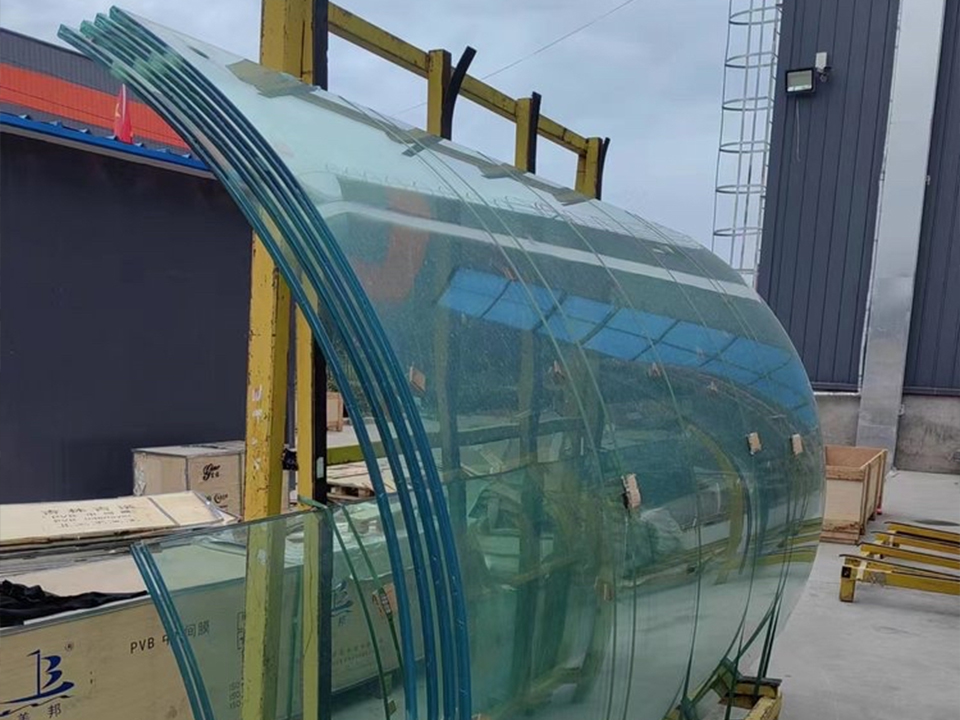
Para las zonas con mayor tránsito peatonal, como las partes superiores, las barandillas, los paneles laterales de las entradas y los paneles de gran formato, preferiría que se utilizara vidrio con bajo contenido en hierro combinado con Vidrio laminado con PVB para aplicaciones de seguridad y protección a menos que se produzca un efecto de ilusión óptica impresionante creado por un panel monolítico, lo cual, sin duda, nunca ocurrirá.
El PVB es importante porque ayuda a retener los fragmentos tras un impacto. El PVB acústico también puede amortiguar las vibraciones y el ruido de la calle. El PVB con protección UV puede ayudar a proteger los interiores y los productos cuando se especifica adecuadamente. La cuestión no es que todas las tiendas necesiten el mismo tipo de estructura laminada. La clave está en que los “costes” deben incluir las medidas posteriores a la rotura, y no solo la nitidez de las imágenes de Instagram.
Directriz sobre maquetas: nunca autorices el diseño de los escaparates a partir de un PDF
No me baso en las imágenes de renderizado. Apenas me fío de los ejemplos de fondos. Me fío de las maquetas montadas con la iluminación real.
Un ejemplo de 100 × 100 mm puede ocultar los defectos. Un problema en una esquina a tamaño real, en cambio, no. Si el escaparate utiliza cristal grueso, cristal laminado, vidrio de doble acristalamiento (IGU), lados pulidos o interiores blancos, solicita una maqueta representativa que utilice la composición real del cristal.
Analízalo en tres momentos:
A primera hora de la mañana, durante el día, al atardecer; iluminación comercial; ángulo oblicuo de la calle
¿Por qué en ángulo? Porque los clientes no ven las tiendas igual que los profesionales de laboratorio. Pasan por delante con un ángulo de 20 grados, con reflejos de coches, señales, árboles, el cielo y las tiendas de alrededor. Es ahí donde el cristal transparente estándar suele parecer más verde y más grande.
En el caso de los acristalamientos de tiendas comerciales, también quiero que se pueda rastrear cada lote. Si en la primera entrega se utiliza un sustrato y en la segunda se cambia discretamente por otro, el escaparate puede acabar siendo un mosaico de transparencias ligeramente diferentes. Puede que no se note en el momento de la entrega, pero sin duda se notará tras la instalación, cuando los paneles de recambio queden junto a los paneles originales.
Vidrio ultratransparente frente a vidrio transparente convencional: la diferencia en la adquisición
Aspecto
Cristal ultraclaro/con bajo contenido en hierro
Cristal transparente básico
Ventaja clave
Color más nítido, mayor transparencia y menor matiz verdoso
Costes reducidos, amplia disponibilidad y una cadena de suministro consolidada
Problema visual frecuente
Puede poner de manifiesto la suciedad, los arañazos y las imperfecciones de la instalación con mucha mayor claridad
Color verdoso en los laterales, especialmente en estructuras más gruesas o laminadas
El mejor uso
Cristales de alta gama para tiendas, vitrinas, comercios de lujo, museos, interiores en blanco
Cristales para tiendas de comercio general, escaparates económicos, instalaciones con bordes ocultos
Integridad del color
Más resistente; ideal para cosméticos, joyería fina, obras de arte e interiores blancos
Más débil; podría afectar a los productos blancos, los metales y los productos ligeros
Aspecto de los bordes
Más limpio, concretamente con los laterales a la vista pulidos
Mucho más ecológico a medida que aumenta la densidad
Eficiencia energética
Mejora estética, siempre y cuando no vaya acompañada de Low-E, vidrio de doble cámara (IGU) o revestimiento
Asimismo, se recomienda el uso de revestimiento Low-E, vidrio de doble cámara (IGU) o un acabado que garantice la eficiencia térmica
Alternativas de seguridad
Se puede solidificar, laminar o utilizar en unidades de vidrio aislante (IGU)
Se puede solidificar, utilizar como suelo laminado o en unidades de vidrio aislante (IGU)
Fijación de precios
Premium
Estándar
Reubicación ideal de las especificaciones
Indique el sustrato con bajo contenido en hierro, el espesor, las condiciones de manipulación, la composición del laminado o de la unidad de vidrio aislante y las tolerancias.
Indique las características típicas del vidrio flotado transparente, su densidad, su manipulación, la composición del laminado o de la unidad de vidrio aislante (IGU) y su resistencia.
Error del comprador
Conseguirlo prácticamente en cualquier lugar sin que se note a simple vista
Su aplicación en el sector minorista de alta gama, donde la fidelidad del color influye en la percepción
Cómo elegir el cristal para el escaparate sin que se raye
Empezando por el riesgo asociado a la marca, no por el coste del vidrio.
Si se pretende que el establecimiento tenga un aspecto lujoso, neutro, intenso y con colores precisos, especifica desde el principio que se trata de “cristal con bajo contenido en hierro”. No dejes que la expresión «cristal transparente» aparezca en las ilustraciones como una trampa. Especifica que es de bajo contenido en hierro. Indica el grosor. Especifica si es laminado o templado. Indica «IGU» si es necesario. Especifica que la superficie es de tipo «Low-E» si hay problemas de rendimiento térmico.
Si la tienda se centra mucho en el rendimiento, sin duda me plantearía Suministro al por mayor de unidades de vidrio aislante (IGU) con doble acristalamiento a medida en lugar de centrarse únicamente en la transparencia. Una unidad de vidrio aislante (IGU) de doble acristalamiento puede incorporar cámaras de aire o gas, opciones de revestimiento Low-E, capas laminadas y densidades ajustadas para mejorar el confort, el aislamiento acústico y el control térmico.
Si el escaparate está compuesto por estanterías con pantallas de visualización muy conocidas, paneles tipo electrodoméstico o elementos de decoración de alta gama para interiores, se aplica la misma lógica de transparencia. El vidrio extraclaro no es solo un material para fachadas exteriores. Puede soportar cristal transparente para aparatos ortodónticos, fabricado a medida y en los espacios comerciales interiores, donde se aprecian de cerca las líneas depuradas y la pulcritud de los espacios abiertos.
Y si alguien te dice que los clientes no pueden apreciar la diferencia, pide que coloquen uno al lado del otro un producto normal transparente y otro con bajo contenido en hierro sobre un artículo blanco, bajo la iluminación definitiva de la tienda y con los bordes pulidos a la vista. Después, vuelve a preguntar.
Mi norma estricta para las tiendas de costes
Utiliza vidrio transparente básico cuando sea lo más práctico.
Utiliza «vidrio con bajo contenido en hierro» cuando el vidrio forme parte de la venta.
Esa es la normativa más clara que conozco. Aunque no abarca todos los casos, sí que cubre los errores más costosos. Los escaparates de las tiendas de lujo no solo consisten en delimitar un espacio, sino que también tienen como objetivo reducir la fricción estética entre la calle y la mercancía.
Un escaparate de alta gama debería pasar desapercibido hasta que la marca decida que debe llamar la atención. El cristal transparente estándar suele llamar demasiado la atención. Transmite una imagen de “sostenibilidad”, «sustitución económica», «ingeniería de bajo coste» y «nadie revisó la maqueta».”
El vidrio de bajo contenido en hierro no soluciona los problemas de diseño. No sustituye a la ingeniería de seguridad. No supera a una opción Low-E adecuada, al diseño de seguridad laminado ni a la eficiencia de las unidades de vidrio aislante (IGU). Pero cuando el argumento comercial se basa en la pureza visual, es una de las pocas mejoras que los compradores pueden apreciar realmente.
PREGUNTAS FRECUENTES
¿Qué es el vidrio con bajo contenido en hierro en los acristalamientos de escaparates?
El vidrio con bajo contenido en hierro es un vidrio flotado con un contenido reducido de hierro, desarrollado para minimizar el tono natural del vidrio transparente básico, al tiempo que mejora la neutralidad estética y la transmisión de la luz en los acristalamientos de tiendas. Se utiliza con frecuencia cuando los escaparates de alta gama, los interiores blancos, los bordes pulidos y el tono exacto de los productos son factores importantes para la experiencia de compra.
En pocas palabras: hace que el cristal parezca mucho menos cristal. Ese es precisamente el factor clave en el comercio minorista de lujo. Cuanto mejor se disimule la fachada, más podrán destacar el producto, la iluminación y la decoración interior.
¿Merece la pena utilizar cristal ultratransparente en los escaparates de las tiendas?
El uso de vidrio ultratransparente resulta rentable para las tiendas minoristas cuando el vidrio influye en la percepción de la marca, el color del producto, la vista lateral o la claridad de la exposición bajo condiciones de iluminación reales. Su uso suele estar justificado en entornos minoristas de lujo, cosmética, joyería, galerías de arte, electrónica y diseño de alta gama, donde el vidrio transparente habitual puede provocar una distorsión perceptible de color verde.
En el caso de productos de gama económica o paneles pequeños con bordes ocultos, desde luego no pagaría sin más el sobreprecio. La mejor respuesta se obtiene a partir de una maqueta a tamaño real, no de una ficha de ventas.
¿Cuál es la diferencia entre el vidrio con bajo contenido en hierro y el vidrio transparente común?
La diferencia entre el vidrio con bajo contenido en hierro y el vidrio transparente convencional radica, por lo general, en el contenido de hierro, el color perceptible y la precisión cromática. El vidrio transparente convencional contiene más óxido de hierro, lo que le confiere un tono verdoso, mientras que el vidrio con bajo contenido en hierro reduce ese matiz y ofrece un aspecto más transparente, más blanco y más neutro en las tiendas de alta gama.
La diferencia se hace más evidente a medida que aumenta la densidad del vidrio, quedan al descubierto los bordes o se laminan varias capas juntas. Una sola lámina fina quizá no te llame la atención, pero una tienda entera sí que podría hacerlo.
¿Cómo elijo el cristal para el escaparate de un proyecto de comercio minorista de alta gama?
Para elegir el vidrio de un escaparate en un proyecto de comercio minorista, hay que definir el objetivo visual, los riesgos de seguridad, el rendimiento térmico, los requisitos acústicos, las dimensiones de los paneles, la exposición lateral y los problemas de iluminación antes de evaluar el vidrio. A continuación, especifique el sustrato, la densidad, el tratamiento térmico, la capa intermedia laminada, el acabado Low-E, la cavidad de la unidad de vidrio aislante (IGU), el tipo de separador y los requisitos de la maqueta.
No empieces hablando de “cristal transparente”. Empieza por el resultado que necesitas que te ofrezca la tienda. La fidelidad del color, la comodidad, la seguridad y la preparación forman parte de la misma conversación.
¿Se puede utilizar el vidrio con bajo contenido en hierro en escaparates laminados o de doble acristalamiento?
El vidrio con bajo contenido en hierro puede utilizarse en vidrio laminado, vidrio laminado templado y sistemas de acristalamiento de doble cámara (IGU) para tiendas cuando el proyecto requiera tanto una alta transparencia como seguridad y protección o rendimiento térmico. El sustrato con bajo contenido en hierro mejora la neutralidad estética, mientras que el PVB, los recubrimientos Low-E, las cámaras de gas y los separadores se encargan de la seguridad y el confort.
Esa combinación suele ser la solución ideal para los escaparates de alta gama: hierro reducido para mejorar el aspecto, vidrio laminado para proteger contra roturas y estructura de vidrio aislante (IGU) para garantizar la eficiencia energética.
Conclusión
La tienda es un comercial silencioso. A menudo es uno de los empleados mejor pagados de la plantilla.
Si estás diseñando un escaparate de alta gama y el cristal debe preservar el color, la luz, el brillo y la coherencia de la marca, no dejes que el término “transparente” se quede en algo vago. Solicita vidrio con bajo contenido en hierro cuando la fidelidad visual sea importante. Utiliza el vidrio transparente estándar cuando realmente cumpla su función. Combina el sustrato con el laminado, templado, Low-E o IGU adecuado cuando la seguridad y el confort sean prioritarios.
Para solicitar presupuestos de proyectos a gran escala, planificar maquetas o obtener referencias sobre las especificaciones del vidrio para tiendas, envíe las dimensiones de los paneles, las ilustraciones, la eficiencia deseada y los detalles de la aplicación antes de que la adquisición fije en el presupuesto un tipo de vidrio inadecuado.