저희는 중국에 본사를 둔 선도적인 유리 제조업체로,
산업 및 건축 분야를 위한 고품질 유리 솔루션을 전문으로 합니다.
다년간의 경험과 ISO 인증을 바탕으로, 전 세계의 조달 전문가, 엔지니어 및 프로젝트 관리자에게 신속하고 맞춤형 견적과 신속한 지원을 제공합니다.

Privacy needs proof. When a window treatment looks convincing in a sunlit showroom but faces a brightly lit bathroom after sunset, the distinction between reflective film, a translucent coating, and genuinely obscuring glass becomes a practical purchasing problem. Who wants to discover that difference from the pavement?
I would start with frosted privacy window film when the existing pane is sound, choose frosting spray for a suitable decorative application, and investigate obscure glass replacement when permanent privacy or an existing glazing defect justifies the work. The deciding questions are straightforward: what remains visible, how much daylight survives, and what does the complete installation require?
“Privacy” describes an outcome, not one consistent product specification. Reflective film and frosted window film achieve it differently.
Gila’s own FAQ identifies its Privacy Control Mirror as a daytime product: when indoor lighting becomes brighter than the exterior, people outside can see in. I would reject it as the only privacy measure for an illuminated bathroom. ([Gila Window Film][1])
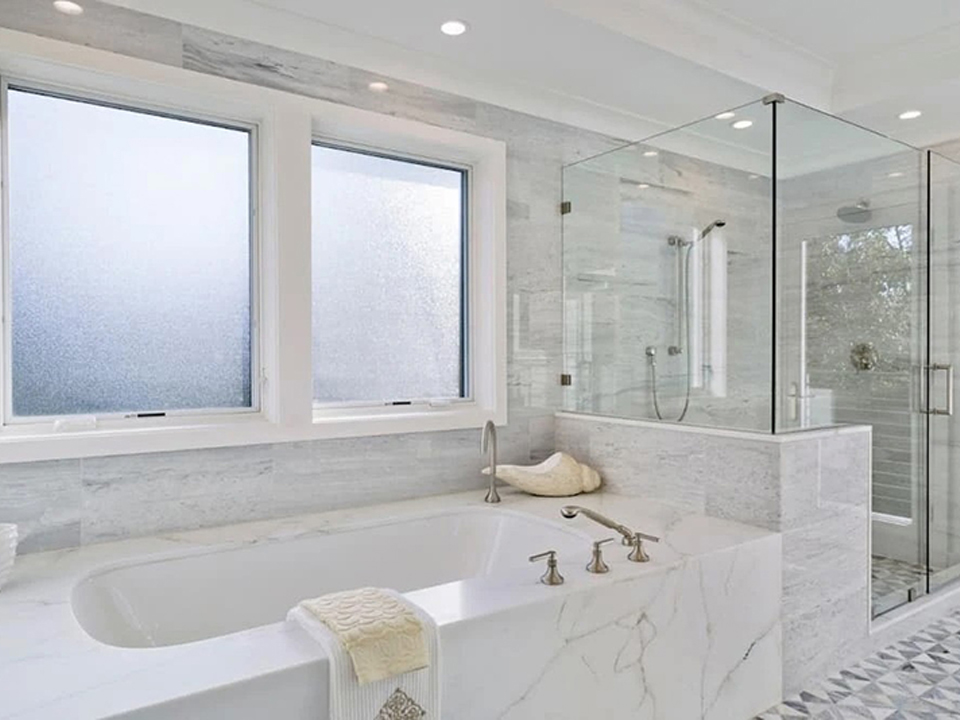
Frosted film obscures the view through diffusion. Gila markets its Privacy Control Frosted film, models 50146285 and 50146284, for 24-hour privacy. That is a useful product distinction, although I would still inspect a sample under the actual room lighting before approving it. ([Gila Window Film][2])
My acceptance test would include an observer outside, the room lights on, and a person standing at the closest realistic distance to the pane. Test from the neighbour’s sightline too. A pleasing white finish is not a sufficiently precise acceptance criterion.
For installation, identify the exact glass and film combination. Gila permits its films on double-pane windows when installed correctly, with product-specific placement restrictions. Andersen, however, advises against reflective or decorative film on its windows because of potential heat buildup and glass damage. The film seller’s instructions are only half the compatibility check. ([Gila Window Film][1])
Window frosting spray creates a translucent surface coating. It does not turn ordinary glass into factory-etched glass, and an attractive finish tells you little about whether the coating suits repeated cleaning or water exposure.
Rust-Oleum’s SPC-97 technical sheet for Frosted Glass spray, SKU 342600, specifies application at 50–90°F, or 10–32°C, with relative humidity below 65%. It also excludes surfaces exposed to repeated water contact, including the inside of a shower door, and requires outdoor use or a well-ventilated application area. ([rustoleum.com][3])
Those limits matter more than a staged bathroom photograph.
I would reserve frosted glass spray paint for compatible surfaces where the desired finish can be applied under the manufacturer’s conditions. Mask surrounding materials, follow the label and safety data sheet, and test the appearance before coating the entire pane. For a window that receives direct shower spray, ask for a system explicitly approved for that exposure.
And price the preparation. Masking, ventilation arrangements, cleanup, and potential recoating belong in the comparison with film.
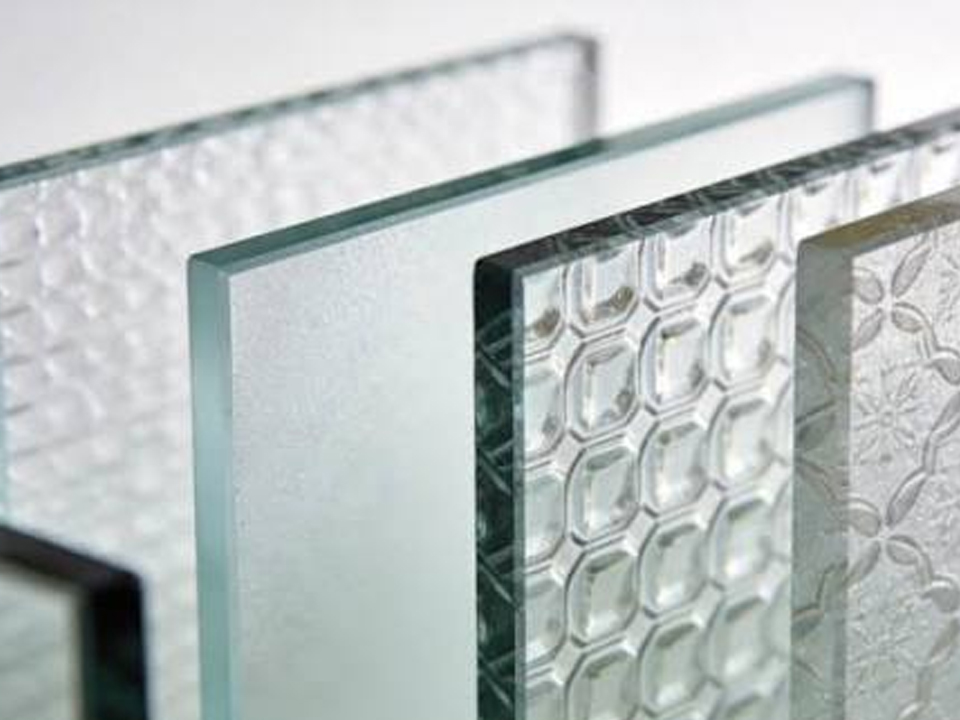
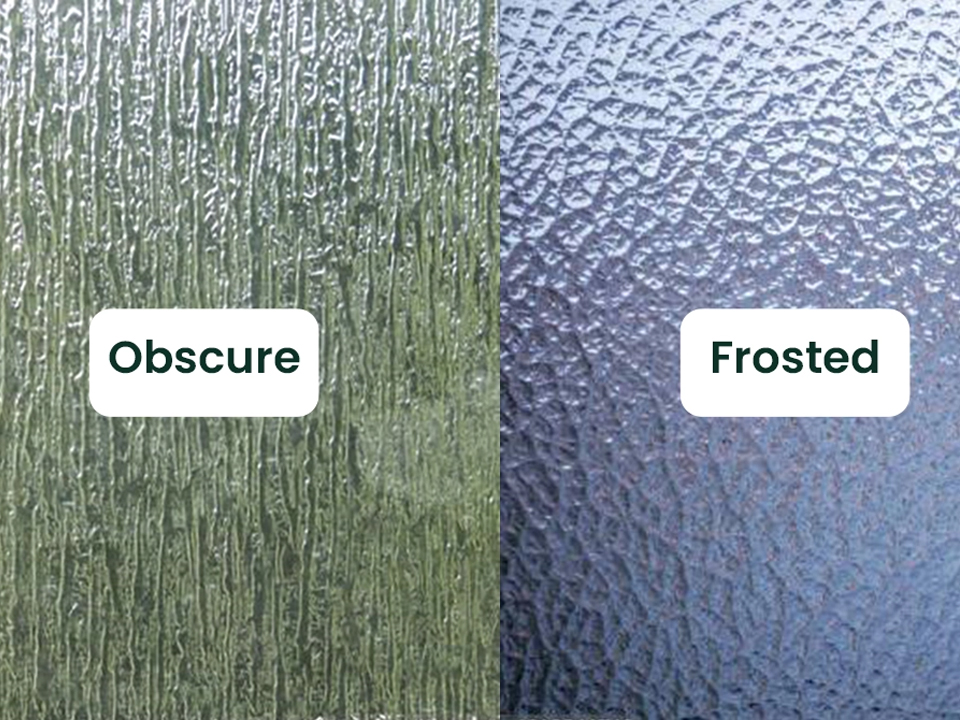
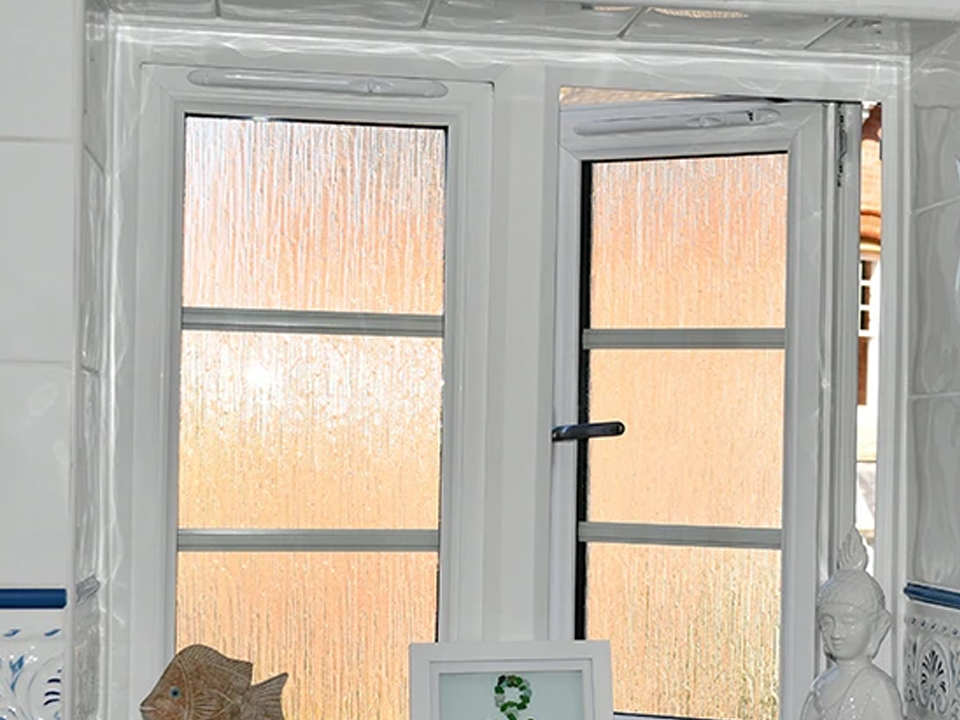
Obscure glass replacement changes the glazing itself. Patterned, textured, and etched products offer different appearances and degrees of obscuration; the word “frosted” does not tell a buyer enough.
Pilkington grades its Texture glass from privacy level 1, the least obscuring, to 5, the most obscuring. Its range can be incorporated into insulating glass units, with toughened or laminated versions available depending on the design. Treat that scale as a manufacturer-specific comparison, not a universal percentage of privacy. ([pilkington.com][4])
I would approve a named pattern and physical sample before ordering multiple units. Ask the fabricator to confirm the glass construction, finish orientation, thickness, and suitability for the opening.
For double glazing, ask a glazier whether the window accepts a replacement sealed insulating glass unit or needs a replacement sash; the whole frame does not automatically need replacement. A quotation for custom-size warm-edge insulating glass units provides a starting point for discussing dimensions, spacers, coatings, and the feasibility of the requested obscure-glass construction. Confirm that construction explicitly. ([helpcenter.andersenwindows.com][5])
The distinction between colour and privacy also matters. Low-iron ultra-clear glass is an option for reducing the green cast of glass; privacy still requires a separate obscuring treatment or construction. I would pay that premium only when the approved sample demonstrates a worthwhile visual difference. ([theinsulatedglass.com][6])
A frosted appearance provides no evidence of impact compliance.
In the United States, 16 CFR 제1201편 governs safety glazing in specified architectural products, including shower enclosures and sliding patio doors, subject to its scope and exemptions. The requirements for a particular window also depend on the applicable building code and location. Ask the project professional to identify the required classification and documentation. ([ecfr.gov][7])
Where the design requires fragment retention, discuss an appropriate laminated construction. The available laminated glass options for structural applications include interlayer and substrate choices, but a product category alone does not establish that a particular assembly meets the project’s requirements. ([theinsulatedglass.com][8])
My purchasing rule is simple: approve privacy performance and safety documentation separately.
Start by separating daylight transmission from the ability to recognise a person through the pane. A translucent material can admit light while disrupting the view, but “lets light through” does not mean zero light loss.
The National Fenestration Rating Council uses visible transmittance, or VT, to describe daylight transmission. A higher value means more visible light passes through the rated product. It is not a privacy score. ([National Fenestration Rating Council][9])
I would request both optical data and a sample. Where available, compare VT for the complete proposed glazing construction, then check the sample against realistic viewing distances and lighting. Neither a bright showroom nor a transmission number answers both questions.
If the room needs to switch between openness and seclusion, project-specified smart glass for partitions introduces another option. Polymer-dispersed liquid crystal, or PDLC, changes light scattering electrically; it brings wiring and control requirements into the specification. Confirm the power-loss state, residual visibility, and whether the exact assembly is approved for exterior use before treating a partition product as a window solution. ([theinsulatedglass.com][10])
I am sceptical of a privacy-film pitch that attaches an impressive energy-saving percentage without identifying the tested product and conditions. Two government research sources show why those details matter.
Berkeley Lab’s 2024 case study, “Improving Window Films to Reduce Cooling Loads and Glare,” describes Lucent Optics testing novel 3D-printed films at FLEXLAB. The work examined light scattering and full-scale performance under high and low solar angles; results helped the company prioritise solar control in subsequent development. The published summary provides no universal savings percentage for retail privacy film. ([Flexlab][11])
The Department of Energy’s February 8, 2024 report on window-attachment programmes describes a Baltimore Gas and Electric pilot involving 15 residential customers with south- and west-facing windows. Some participants reported utility-bill reductions of up to 14% after automated shades were installed. That figure was customer-reported, and the intervention was automated shading. ([Department of Energy][12])
My conclusion: neither result supplies an energy-savings estimate for ordinary frosted film. Ask for evidence covering the actual product, glazing, climate, and operating conditions before including savings in a purchasing calculation.
The best window privacy options depend on the condition of the existing glazing and the required service, not simply the cheapest material on a shelf.
Consider an illustrative budget, not a market quotation: a 24 × 48-inch pane has an area of 8 square feet. If the purchased film costs $48 and supplies cost $12, the $60 material outlay equals $7.50 per square foot of covered glass. Labour, waste, delivery, and eventual removal remain additional costs.
For replacement, request separate amounts for the sealed unit or pane, installation, access equipment, disposal, and any frame repairs. A glass-only factory price cannot be compared fairly with an installed quotation.
| 옵션 | Privacy behaviour | Daylight and view | Installation and upkeep | My preferred use |
|---|---|---|---|---|
| Frosted privacy window film | Designed to obscure views; verify the exact product and sample | Admits diffused light; sacrifices a clear view | Existing glass must be compatible; follow cleaning and removal instructions | Sound glazing that needs an applied privacy treatment |
| Reflective privacy film | Depends on lighting contrast; may fail after dark | Can preserve daytime outward views | Needs an additional nighttime privacy measure where lighting reverses | Daytime screening with a separate blind or shade |
| Frosting spray | Translucent coating; result depends on coverage | Admits diffused light; obscures the view | Requires masking and suitable application conditions; water restrictions can apply | Decorative work on an approved surface |
| Obscure replacement glass | Pattern and construction determine obscuration | Admits light; clear views are sacrificed | Requires fabrication and glazing work | Permanent privacy or a project already requiring glass replacement |
| PDLC 스마트 글래스 | Switches between clearer and scattering states; assess residual visibility | Transmits light in the privacy state | Requires electrical and glazing coordination | Spaces that need selectable visual privacy |
The best privacy window film for nighttime use is a frosted or opaque product explicitly intended to obscure views under indoor lighting, with frosted film suited to retaining daylight and opaque film suited to blocking it, subject to verification of the specific product and installation.
I would inspect a sample after sunset before ordering enough for the whole property.
Privacy window film can be installed on double-pane windows when the selected film’s instructions permit the application and its placement is compatible with the glazing, making the exact product, installation surface, and window manufacturer’s requirements more useful guides than a blanket approval for every film.
Check the instructions for the actual SKU, including any inside-versus-outside restriction.
Frosting spray is a translucent coating applied to an existing surface, while factory-frosted glass commonly achieves its appearance through surface processing, so the two can create similar visual effects while differing in their construction, approved exposure conditions, maintenance requirements, and the work needed to change them.
A spray finish does not establish safety-glazing compliance.
Making windows private while retaining natural light means selecting a translucent film, coating, or obscure-glass construction that disrupts recognisable views while transmitting daylight, then checking both its visible transmittance and its performance under the room’s actual lighting, viewing angles, and distances from people to glass.
I would define acceptable visibility before comparing finishes.
Obscure glass replacement does not necessarily require a new frame because suitable existing windows may accept a replacement pane or sealed insulating glass unit, provided a glazier confirms the frame’s condition, glazing dimensions, installation method, and the safety and performance requirements of the proposed construction.
Ask the installer to distinguish glass replacement from full-window replacement in the quotation.
Send your supplier the pane dimensions, quantity, existing glazing details, photographs, installation location, and daytime and nighttime privacy requirements. Request a physical sample, a fully itemised quotation, and documentation for the proposed glass construction.
Approve the view through the sample under the lighting that matters. Then approve the specification and price.