Fabrico fiável de vidro para projectos industriais e arquitectónicos
Somos um fabricante líder de vidro sediado na China, especializado em soluções de vidro de alta qualidade para aplicações industriais e arquitectónicas. Com anos de experiência e certificação ISO, fornecemos cotações rápidas e personalizadas e um apoio reativo a profissionais de compras, engenheiros e gestores de projectos em todo o mundo.
Lynn Lee
Fundador
Fabrico fiável de vidro para projectos industriais e arquitectónicos
Somos um fabricante líder de vidro sediado na China, especializado em soluções de vidro de alta qualidade para aplicações industriais e arquitectónicas. Com anos de experiência e certificação ISO, fornecemos cotações rápidas e personalizadas e um apoio reativo a profissionais de compras, engenheiros e gestores de projectos em todo o mundo.
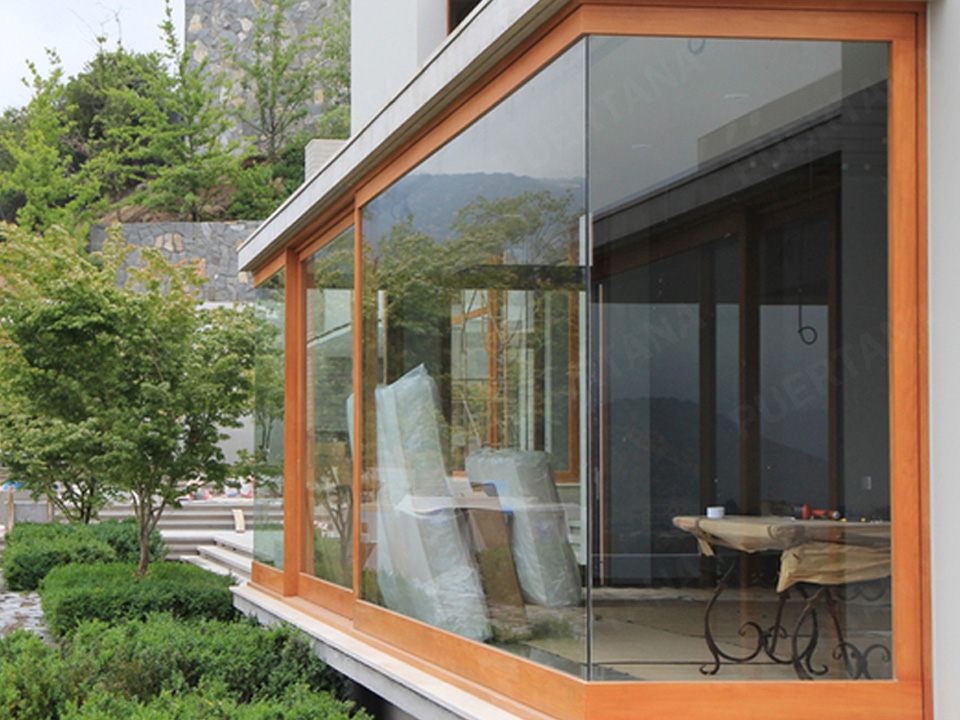
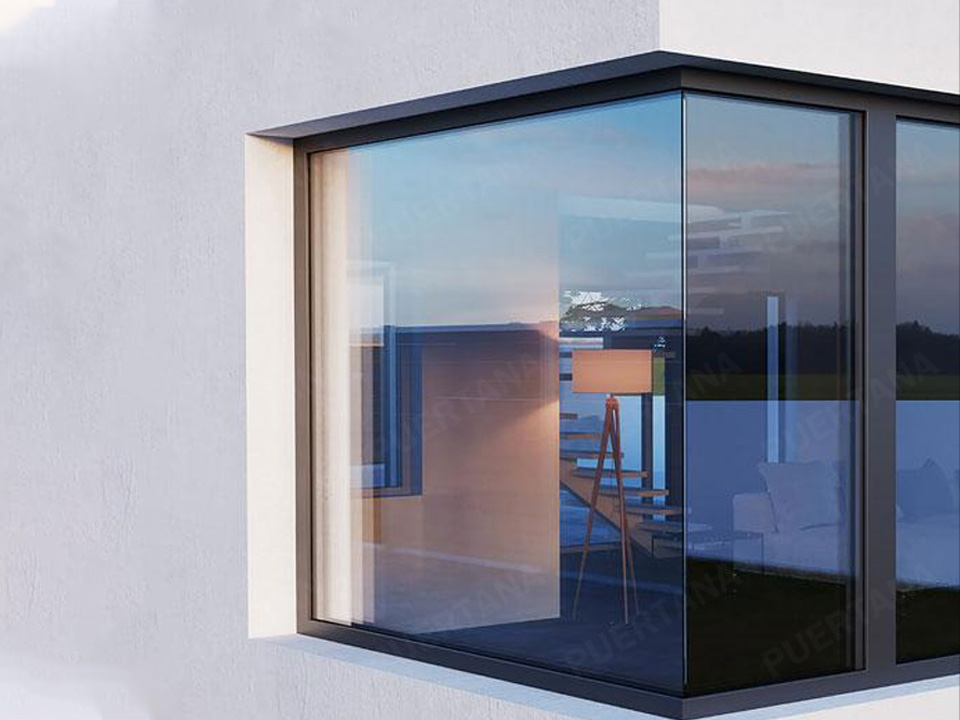
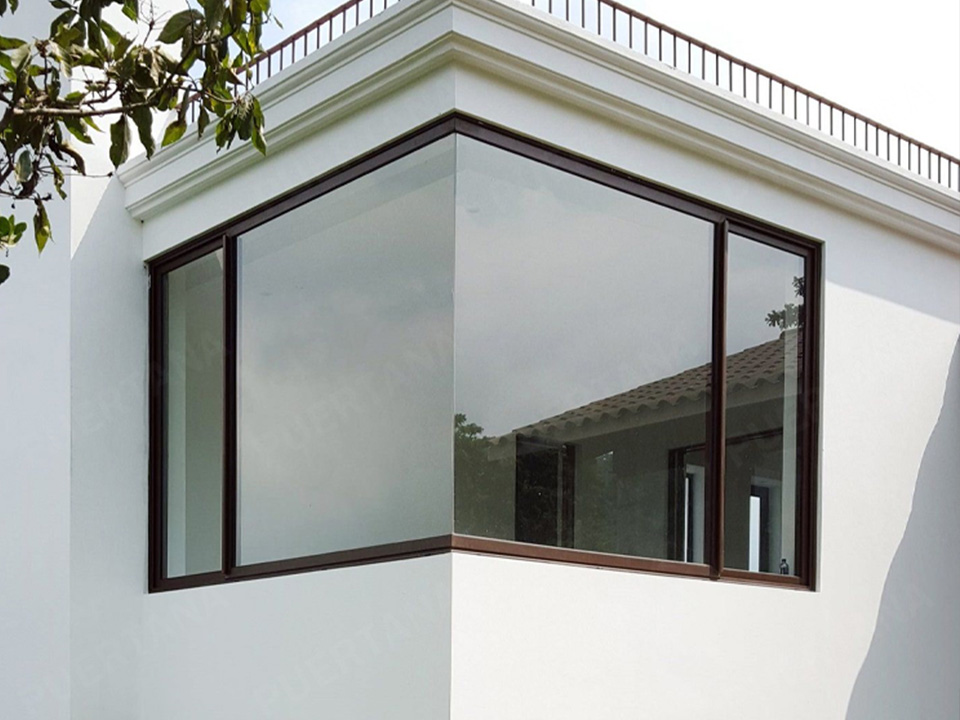
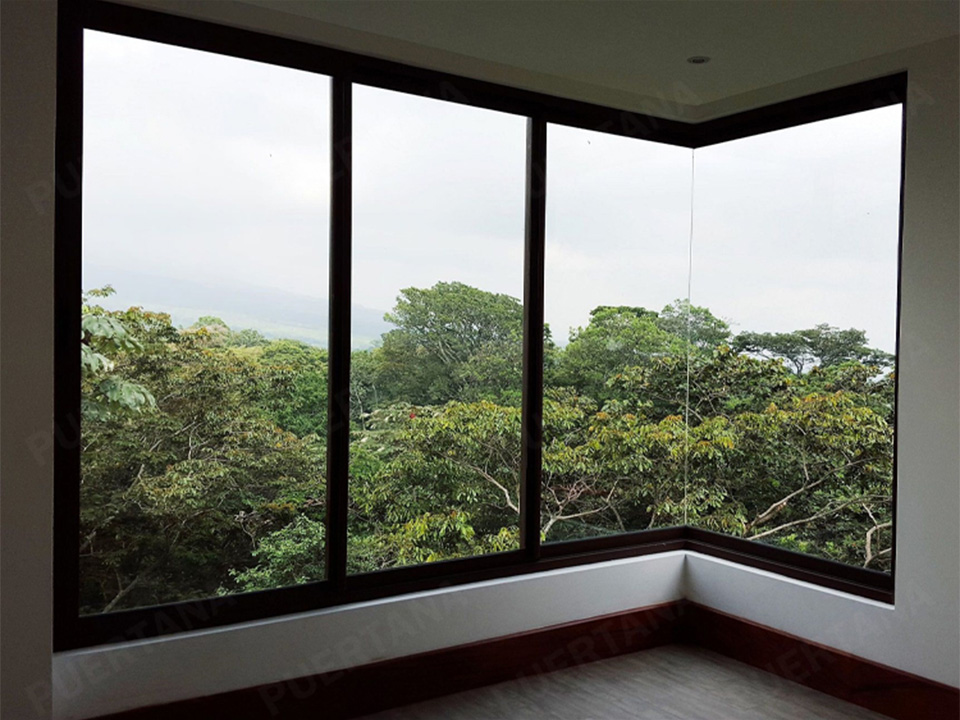
Butt-Glazed Corner Glass: Design Checks That Matter
I’ve sat in enough façade reviews to know the pattern: everybody stares at the sexy transparent corner, nods at the render, talks about “minimalism,” and somehow nobody wants to be the adult in the room asking what happens when that skinny joint starts taking movement, weather, edge stress, and a code review that wasn’t half as casual as the concept sketch. Then the corner bites back. Why are we still surprised?
Índice
The corner is where the project tells the truth
But here’s the ugly truth: butt-glazed corner glass isn’t a style move first. It’s a stress test. The minute you lose the visible post, every lazy assumption gets dragged into daylight—edge finish, support logic, sealant chemistry, IGU build-up, safety classification, the lot. I frankly believe this is where good teams separate themselves from mood-board merchants.
And the performance side is not optional anymore. The U.S. Department of Energy says windows account for 25%–30% of residential heating and cooling energy use. Then basc.pnnl.gov goes further: ENERGY STAR says rated windows can save roughly 6% to 13% on utility bills, and more than 85% of windows sold in the U.S. now fall into that certified bucket. So, no, the corner isn’t just a glossy elevation trick. It’s part of the thermal math whether the architect likes that sentence or not.
That’s why I don’t let the “frameless corner window” conversation drift too far before we talk make-up, spacer, and clarity. If the whole pitch is visual purity, then polished-edge ultra-clear display glass isn’t a luxury add-on; it’s table stakes. And if the assembly actually has to perform like an envelope component—not a showroom prop—then vidro economizador de energia com rebordo quente belongs in the spec discussion early, not after somebody notices condensation.
Thickness is the wrong first question
Wrong question.
Clients always ask it anyway. “What’s the best glass thickness for a butt-glazed corner window?” From my experience, that question gets asked first because it sounds technical while dodging the real work, which is uglier and slower: what’s the load, what’s the support condition, what’s the span, what’s the human-impact risk, what’s happening at the edge, and what movement is the joint expected to eat without turning into a warranty dispute?
The code side makes this worse, not easier. structuremag.org lays out the 2024 IBC triggers pretty cleanly: if the exposed pane area is over 9 square feet, the bottom edge is under 18 inches, the top edge is above 36 inches, and the walking surface is within 36 inches, you’re in hazardous-location territory. It also notes the outboard-pane exception at 8 feet above grade or an adjacent walking surface. That’s not trivia. That’s the stuff that changes glass selection, liability, and review comments in a hurry. ([Structure Magazine][2])
So when somebody wants a neat answer for butt-glazed glass thickness, I push the conversation toward risk, not folklore. Sometimes that means the safer move is custom curtain wall laminated glass. Sometimes it means the cool-looking corner detail needs to calm down because the use case is doing more than the rendering admitted.
Edge damage and sealant decisions are where corners usually go sideways
I’ve seen this one.
A pristine corner shows up on site, everyone admires it, then six months later there’s a chip, a crack pattern nobody expected, or a messy field conversation about whether the problem started in fabrication, transport, glazing, or someone’s fantasy that exposed edges can be treated like forgiving materials. They can’t.
Vitro says it bluntly in its note on spontaneous breakage at glassed.vitroglazings.com: yes, nickel sulfide gets all the gossip, but the more common explanations are edge or surface damage from handling and glazing, building or framing movement, or poor engineering. It also points out that nickel-sulfide spontaneous breakage is tied to tempered glass, not heat-strengthened glass. That is exactly why I get picky—almost annoying, honestly—about exposed arrises, chip rejection, edge polish, and site handling. It matters. Usually.
And then there’s the joint. People draw a black line in CAD and act like they’ve designed something. They haven’t. constructionspecifier.com says structural or stopless glazing retained only by silicone or an adhesive joint needs special care because seal failure can let an exterior lite fall from the building; it also says adhesion and compatibility should be tested across spacers, corners, frame members, coatings, gaskets, and backers. That’s not overkill. That’s what real butt-joint glazing review looks like when nobody’s pretending.
I’d go even further. If the edge condition is already touchy and the geometry is fighting you, a forced sharp corner may be the dumbest hill to die on. In some cases, bulk curved tempered glass is the more honest move. Less heroic. More buildable.
Energy, condensation, and comfort don’t care about your render
Yet teams still act shocked when the nicest corner on the elevation becomes the coldest, sweatiest, most callback-heavy corner in the room. That’s because the “clean” 90 degree glass corner detail isn’t clean at all once you account for edge temperatures, spacer conductivity, coating location, gas fill, movement, and whatever climate the building actually lives in.
The energy case is already settled. The U.S. Department of Energy says glazing type, gas fills, and spacers are central parts of window selection, and basc.pnnl.gov points to low-e coatings built with a nearly invisible silver layer plus argon or krypton fills as standard ingredients in high-performance windows. So when a “corner butt-glazed window” gets sketched like a pure monolithic glass sculpture in a climate that plainly wants insulated performance, I don’t read that as bold. I read it as unfinished.
And sometimes the better design move isn’t more transparency; it’s smarter glass. I’ve seen patterned IGU options solve privacy and daylight problems without pretending every corner has to be a showroom-clear statement piece.
The safety check too many people leave late
This part bothers me.
Not because the rules are impossible. Because they aren’t. The problem is cultural: teams “remember” safety glazing in the abstract, then forget it in the exact place where people can actually lean, trip, fall, or slam into the glass. And butt-glazed corner glass is notorious for that because it looks light, open, and harmless right up until someone maps the walking surface and the sill height properly.
The 2024 IBC language summarized at structuremag.org makes the risk pretty hard to dodge, and it clarifies that in hazardous multipane assemblies, every pane has to comply. Add the real-world reminder from health.ucdavis.edu, which says about eight children age five and under die and another 3,300 are injured each year in U.S. window falls—and that screens won’t stop a child from falling—and the “we’ll sort that out later” attitude starts looking reckless, not relaxed.
Here’s my bias: I’d rather lose a bit of visual drama than carry a detail I can’t defend in a room full of fabricators, envelope consultants, and lawyers. That’s not me being dramatic. That’s me having seen how fast a “simple” corner stops being simple.
The review table I actually use before sign-off
Design check
What I verify first
Numbers or entities I refuse to ignore
Typical failure if skipped
Hazard classification
Whether the corner sits in a hazardous location
9 sq ft, 18 in, 36 in, 36 in proximity, 8 ft outboard-pane exception, 2024 IBC Chapter 24
Wrong glass type specified, failed inspection, redesign
Structural behavior
Actual support condition and load path, not the rendered appearance
That table tracks the same pressure points flagged by DOE, PNNL, the 2024 IBC summary, Vitro’s breakage note, Construction Specifier’s IGU guidance, and UC Davis’ 2024 child-safety warning.
FAQs
What is butt-glazed corner glass?
Butt-glazed corner glass is a frameless corner glazing condition where two glass lites meet directly—typically at 90 degrees—with a minimal sealed joint and no visible corner post, which increases transparency but also shifts far more responsibility onto edge quality, joint design, support logic, and code compliance.
That’s the brochure version. The field version? It looks simple and behaves fussy.
What is the best glass thickness for a butt-glazed corner window?
The best glass thickness for a butt-glazed corner window is the thinnest assembly that still meets the actual loading, support, movement, safety, and performance demands of the opening after the real geometry and risk conditions are checked, rather than a default number copied from a past job.
I know people hate that answer. It’s still the right one.
How do you detail butt-glazed corner glass correctly?
To detail butt-glazed corner glass correctly, you define the support condition, confirm whether the joint is visual-only or part of a structural silicone strategy, specify edge finish and handling tolerance, verify sealant compatibility, and then test the assembly against hazardous-location triggers and environmental performance requirements.
In other words, you don’t fake it with a pretty section cut.
Is laminated glass better than tempered glass for a frameless corner window?
Laminated glass is often the better choice for a frameless corner window when post-breakage retention, occupant protection, or fallout risk matter most, while tempered glass may still be selected for safety-glazing compliance and strength but remains sensitive to edge damage and certain spontaneous-breakage scenarios.
This is where sales talk and engineering talk usually part ways.
Does structural silicone glazing make butt-joint corners safe by default?
Structural silicone glazing does not make butt-joint corners safe by default, because performance depends on tested adhesion, confirmed compatibility with adjacent materials, correct joint sizing, movement allowance, weather exposure, and the actual way the assembly is supported and reviewed in service.
A skinny silicone line is not proof. It’s a promise somebody still has to keep.
If you’re buying, detailing, or value-engineering a corner right now, slow down and review the invisible parts first. That’s where butt-glazed corner glass either earns its elegance—or fakes it.