We are a leading glass manufacturer based in China,
Specializing in high-quality glass solutions for industrial and architectural applications.
With years of experience and ISO certification, we provide fast, tailored quotes and responsive support for procurement professionals,engineers, and project managers worldwide.
We are a leading glass manufacturer based in China,
Specializing in high-quality glass solutions for industrial and architectural applications.
With years of experience and ISO certification, we provide fast, tailored quotes and responsive support for procurement professionals,engineers, and project managers worldwide.
B2B Projeleri için Kuş Dostu Cam: Alıcıların Sorması Gereken Sorular
Ve B2B inşaat sektöründe bu cümle etik bir film sahnesi değildir; bu bir teknik şartname sorunu, bir bütçe sorunu, bir yönetmelik sorunudur ve göç mevsimi boyunca parlak bir perde duvar yüzeyi öngörülebilir bir kaza yüzeyi haline geldiğinde giderek bir itibar sorununa dönüşür. Öyleyse neden bu kadar çok proje alıcısı hâlâ Kuş Dostu Cam isteğe bağlı, göz alıcı bir desen gibi mi?
Aslında, U değeri, SHGC, görünür ışık geçirgenliği, kenar kaldırma, ara parça sistemleri ve ısı emme testi konularını korkutucu bir doğrulukla tartışabilen cephe ekiplerinin masasının etrafında epey bir süre dinlendim. Sonra kuş çarpmasını önleyen camlar hakkında soru sordum. Sessizlik. Genellikle biri şöyle der: “Frit ekleyebiliriz.” Bu bir teknik değil. Bu bir satış refleksidir.
Zor gerçek şu ki: Kuşlara zarar vermeyen camdan bahsetmek çok kolay, ancak bunu ciddi anlamda temin etmek oldukça zor.
Kuş Dostu Camın Ardındaki Gerçek Satın Alma Niyeti
Şunu arayan bir B2B alıcısı Kuş Dostu Cam Lifestyle anlayışı kapsamında “çevre dostu cam” arayışına nadiren girerler. Genellikle şu 4 sorundan birini önlemeye çalışırlar: ruhsat değerlendirmesinde reddedilme, cephe tasarımında gecikme, kuş ölümlerinin ardından gelen kamuoyu eleştirisi ya da projenin mevzuata uygunluğunu sağlayan özelliği sessizce ortadan kaldıran, maliyet düşürme amaçlı cam paketi.
Arama amacı ticari-araştırma amaçlıdır. Alıcı, satın alma sürecine geçmeden önce satıcılara, mimarlara, cephe uzmanlarına ve imalatçılara ne sorması gerektiğini bilmelidir.
Kuş dostu camlar, tam da şu konuyla aynı tartışma çerçevesine girer: mimari cam kaplama ve cam perde duvar yüzey sistemleri, sunumların süresi dolana kadar kimsenin okumadığı ayrı bir sürdürülebilirlik ekinde değil. Cam, perde duvar, giriş lobisi, atriyum, köprü, üniversite cephesi, havaalanı terminal holü veya işletme fakültesinin bir parçasıysa, kuş güvenliği düzeni son anda düşünce sürecine zorla eklenemez.
İşte müşteriler tam da bu noktada mağdur oluyor.
Veriler Çirkin ve Alıcılar Bunun Anlaşılmaz Olduğunu İddia Etmeyi Bırakmalı
Ağustos 2024“te, American Bird Conservancy, PLOS ONE dergisinde yayınlanan yepyeni bir araştırmaya ilişkin bir rapor yayınladı. Bu araştırmada, bina çarpışmaları nedeniyle yalnızca ABD’de her yıl ”bir milyardan fazla” kuşun hayatını kaybettiği tahmin ediliyor; bu rakam, eski tahminlerin üzerinde, zira yaralanan birçok kuş uçup gidiyor ve daha sonra normal izleme alanlarının dışında hayatını kaybediyor.
Bu durum satın alma kararında önemlidir, çünkü çarpışma riski sadece gökdelenlerle sınırlı değildir. ABD Balık ve Yaban Hayatı Servisi, birçok ölümcül çarpışmanın dört kattan daha alçak binalarda ve yapılarda meydana geldiğini ve cam yürüyüş yolları, otobüs durakları ile daha küçük boyutlu şeffaf yapıların da tehlike oluşturduğunu belirtmektedir.
Küçük bir cam parçası ölümcül olabilir.
Şimdi, cam ve koruma dünyasındaki herkesin anlaması gereken bir örneği ele alalım: Chicago’daki McCormick Center. Ekim 2023’te Associated Press, hareket sorunları, yağmur, ışıklar ve yansıtıcı camın bir araya gelmesiyle tek bir olayda 964’ten fazla göç eden ötücü kuşun binanın camlarına çarparak öldüğünü bildirdi. Bir B2B alıcısı için buradan çıkarılacak ders acımasızdır: Tanınmış bir kamu binası bile, cam, ışık ve göç rotalarının yanlış zamanda kesiştiğinde neler olabileceğinin bir örneği haline gelebilir.
Bu, sadece belirli bir kesimi ilgilendiren bir sorun değildir. Bu, görünüşle ilgili bir performans sorunudur.
Önce Şunu Sorun: Cam, Kuşlar İçin Gerçekten Görünür mü?
Birçok alıcı, “Kuşlar için uygun mu?” diye soruyor. Bu soru da oldukça yumuşak bir soru.
Bunun yerine şunu sorun: Bu camı, açık havada, gerçek gökyüzü ve bitki örtüsünün yansıma koşulları altında, kuşların uzaktan görebilmesini sağlayan nedir?
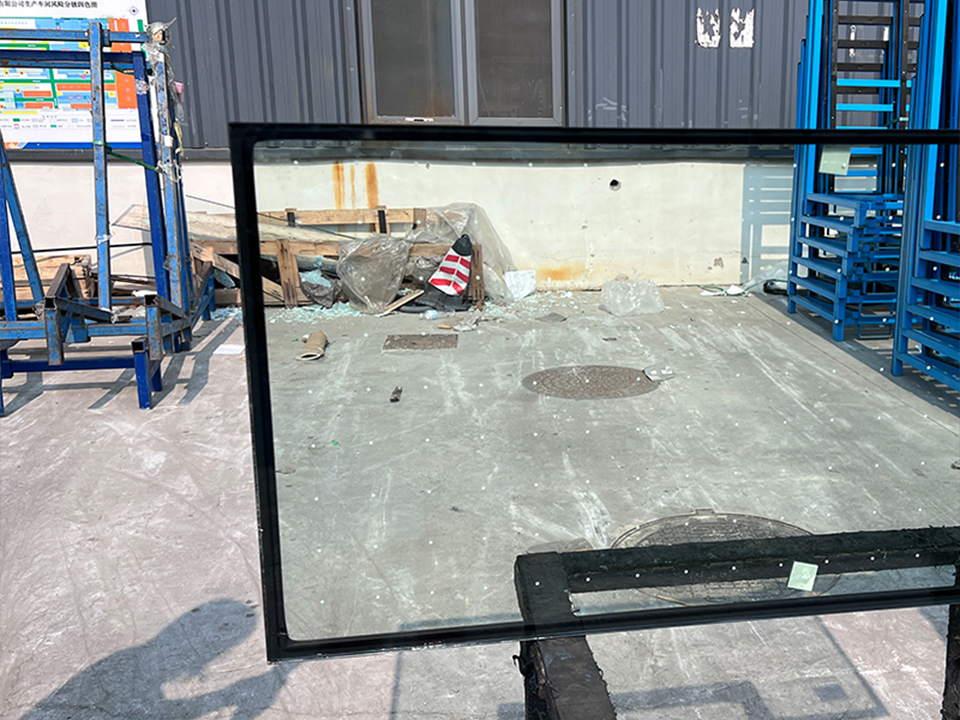
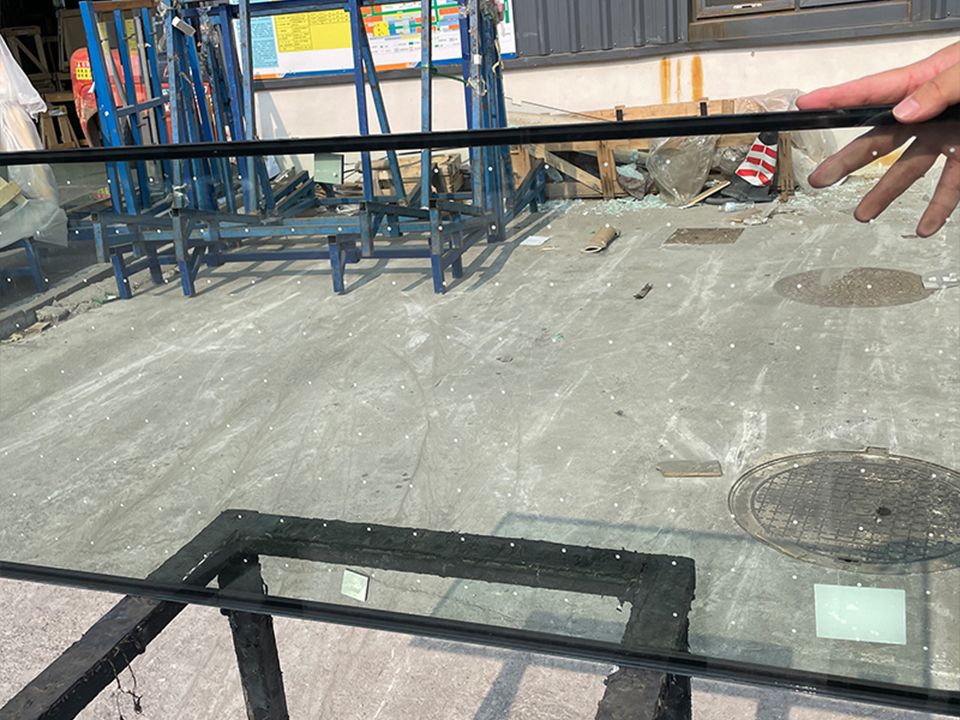
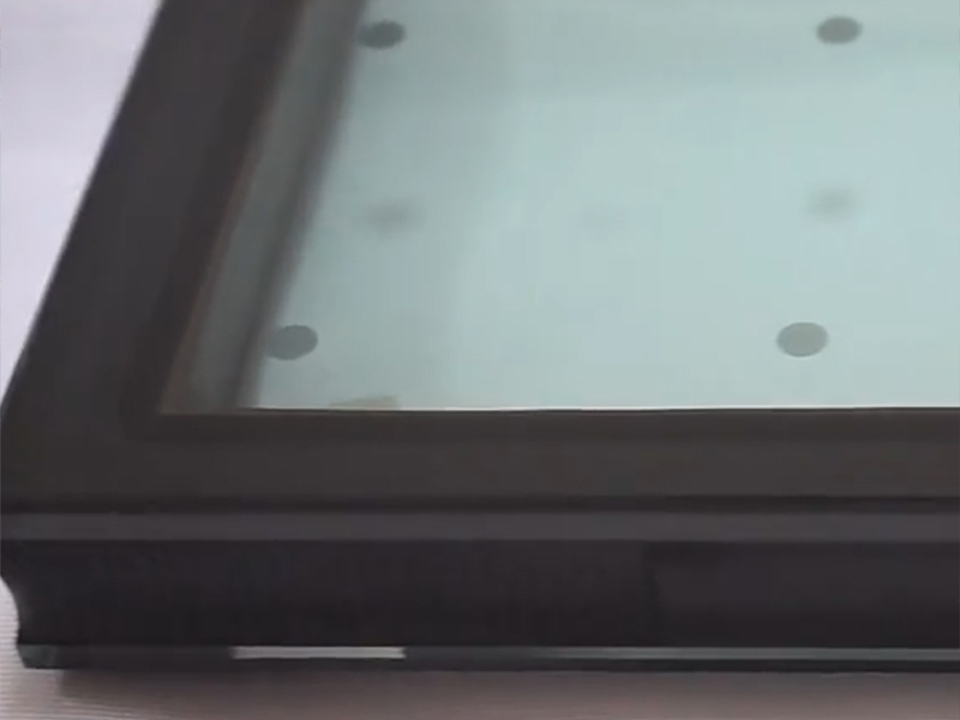
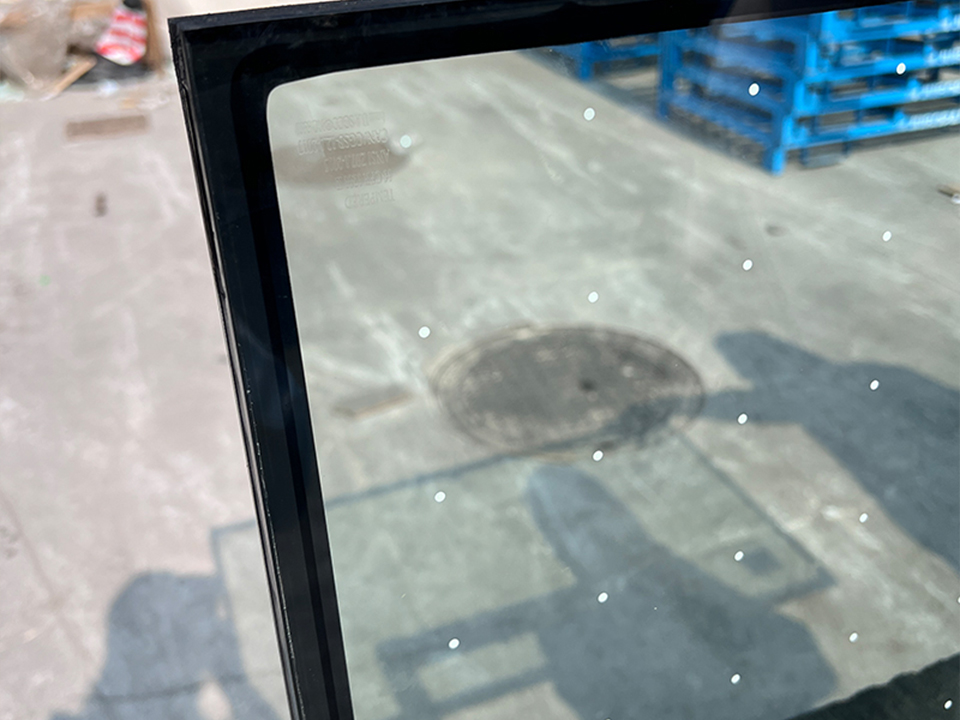
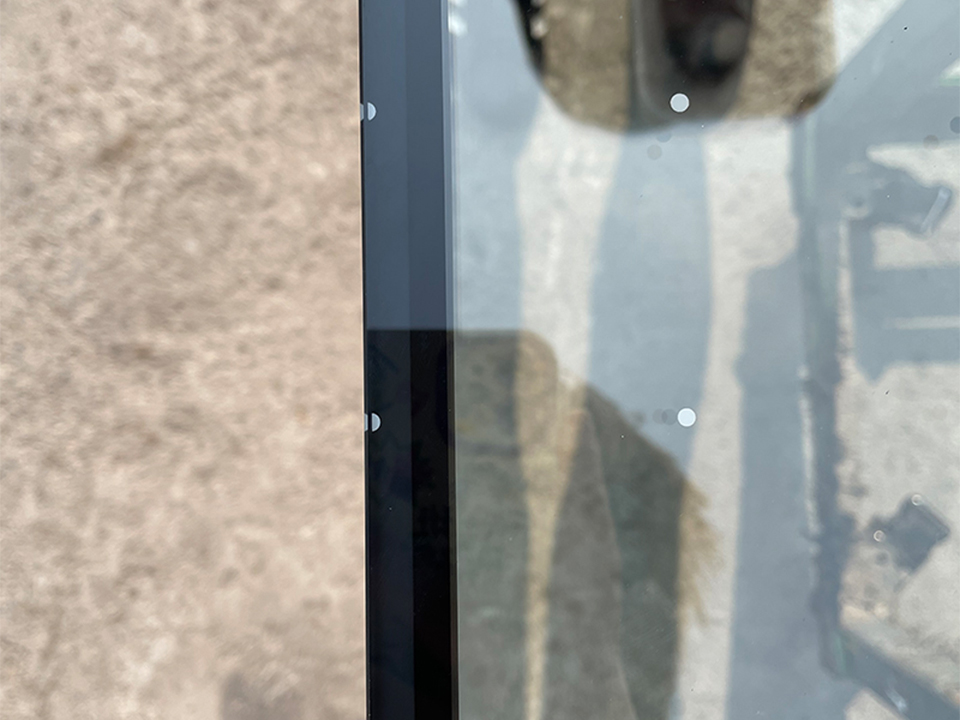
Kuş dostu camlar genellikle şu çeşitli yöntemlerden biriyle işlev görür: seramik frit, asitle kazınmış desenler, UV-görünür desenler, serigrafi ile basılmış noktalar veya çizgiler, lamine ara katmanlar, dış yüzey işaretleri, ağlar, perdeler veya diğer çeşitli geri dönüşümsüz görsel engeller. Temel fikir basittir. Kuşlar, sürdürülebilirlik raporunuzu okumazlar. Onlar, görsel unsurlara, şeffaflığa, içinden uçma yanılsamalarına, bitki örtüsüne, gökyüzüne ve ışığa tepki verirler.
B2B projelerinde, konumlandırma, aralık, yüzey ayarı, dayanıklılık ve test esaslarını belirtmeden kuş dostu camı sadece “şekillendirilmiş cam” olarak tanımlayan her türlü tedarikçiye genellikle şüpheyle yaklaşırım. Çekici bir nokta deseni, numune kutusunda ikna edici görünebilir; ancak aralık çok genişse, karşılaştırma zayıfsa veya desen görsel sunumun ön planda olduğu yerlerde gizlenmişse, yine de beklenen performansı gösteremeyebilir.
Eğer zaten şunu belirtiyorsanız proje camları için özel cam üretimi, kuş maruziyeti, ilk günden itibaren üretim sürecinin bir parçası olarak ele alınmalıdır: kalıp geometrisi, katman dizilimi, laminasyon, mukavemet artırma, birim yapısının korunması ve prototip değerlendirmesi.
İkinci Soru: Deseni Hangi Yüzey Taşıyor?
İşte bu noktada satış broşürleri güvenilmez hale gelir.
Koruyucu cam ünitesinde, yüzey alanlarının numaralandırılması önemlidir. Dış camın 1 numaralı yüzey alanı dış ortama bakmaktadır. 2 numaralı yüzey alanı, dış camın iç tarafındadır. 3 numaralı yüzey alanı ise iç camın iç tarafındadır. 4 numaralı yüzey alanı, söz konusu alana bakmaktadır. Kuşları caydırıcı desenler, genellikle kuşların parlamadan ve dış ortam koşullarından dolayı bunları gerçekten algılayabilecekleri yerlere yerleştirildiğinde en etkili olur.
Sadece “yapılar için fritli cam” talep etmeyin. Fritin nerede bulunduğunu sorun.
Yanlış yüzey alanındaki desen hâlâ görülebilir, ancak müşterinin beklediği gibi bir sonuç vermeyebilir. Low-E katmanları, renkli camlar, lamine yapılar, düşük demir içerikli alt tabakalar ve yüksek yansıtma oranına sahip dış ortam koşulları da işin içine girince, sorun bir katalog fotoğrafının gösterdiğinden çok daha teknik bir hal alır.
İşte bu nedenle kuş dostu camlar, aşağıdakilerle birlikte değerlendirilmelidir: fabrikadan doğrudan temin edilen, özel üretim ekranlama camlı çift camlı cam seçenekler. IGU yapısı, termal performansı, yoğuşma direncini, optik görünümü, akustik davranışını, ağırlığı, lojistik ve kuşların girmesini önleme özelliklerini etkiler.
Tek bir cam ambalaj. Sayısız etki.
Üçüncü Soru: Ürün, kabul görmüş bir tehdit faktörü hedefine uygun mu?
Yönetmelikler ve kılavuzlar, belirsiz çevresel ifadeler yerine giderek daha fazla ölçülebilir kriterlere başvurmaktadır. 10 Ocak 2021 tarihinden itibaren yürürlüğe giren New York Şehri Yerel Yönetmeliği 15, yeni binaların ve tüm dış cam kaplamaları değiştiren belirli tadilatların kuş dostu tasarım gerekliliklerine uymasını şart koşmaktadır. New York şehrinin destek ve savunma özetleri, 75 fit yüksekliğe kadar olan cephe alanlarının 'ında kuş dostu malzemelerin kullanılması ve çevre dostu çatı kaplamaları gibi gereklilikleri açıklamakta olup, özellikle cam bariyerlere ve zararlı şeffaf unsurlara odaklanmaktadır.
Bu 75-foot rakamı, her şehir cephesi alıcısının kontrol listesinde mutlaka yer almalıdır.
San Francisco’nun İmar Yönetmeliği de, belirli desen boyutlarını kullanarak kuşlar için güvenli cam kaplamayı tanımlamaktadır: en az 1/4 inç genişliğinde ve en fazla 4 inç aralıklı dikey elemanlar ya da en az 1/8 inç genişliğinde ve en fazla 2 inç aralıklı düz elemanlar.
2×4 kuralı bir ayet değildir. Bu, ihale dilinde kullanılan bir ifadedir.
Eğer bir satıcı, ürünün risk unsurunu, aralıklarını, test yöntemini, model karşılaştırmasını veya ilgili standartlara uygunluğunu net bir şekilde açıklayamıyorsa, performans satın almıyorsunuz demektir. Sadece bir ürün listesiyle umut satın alıyorsunuz.
Dördüncü Soru: Bu Desen, Binanın Ömrü Boyunca Kalanacak mı?
Kuşlara zarar vermeyen cam, iklim koşullarına, temizliğe, sızdırmazlık malzemesine maruz kalmaya, aşınmaya, montaj işlemlerine ve yıllarca sürecek bina bakımına dayanabilmelidir. Kısa ömürlü bir film, mevcut bir binadaki acil bir durumu çözebilir. Ancak bu, yepyeni bir B2B dış cephe için kalıcı seramik frit, asitle işlenmiş cam veya kuşlara zarar vermeyen lamine ara katmanlarla aynı tedarik seçeneği değildir.
Aslında, alıcıların göze çarpan nokta boyutuna takılıp kalarak bakım konusunu göz ardı ettiklerini gördüm. Oysa tam tersi olmalı.
Onay vermeden önce şu soruları sorun:
Rutin temizlik işlemleri desenin bozulmasına neden olabilir mi? Kuş önleyici katman açıkta mı yoksa korunuyor mu? Isıl işlemden sonra desende görünümde bir değişiklik olur mu? Tedarikçi, şekillendirilmiş yüzey için garanti belgesi sağlıyor mu? Beş yıl sonra kullanılacak yedek camlar orijinal desenle uyumlu olacak mı? Desen, düşük emisyonlu (low-E) kaplamalar, lamine güvenlik camı ve IGU sızdırmazlık sistemleriyle uyumlu mu?
Lüks mağaza vitrinleri, müzeler, tatil köyleri, sağlık tesisleri ve ev ofisleri söz konusu olduğunda, alıcılar yine kaliteyi göz önünde bulundurmalıdır. Proje daha temiz bir görünüm gerektiriyorsa, şunu sorun: iş gereksinimlerine uygun düşük demirli düz sertleştirilmiş cam dış cephenin süt rengi, çevre dostu ya da estetik açıdan abartılı görünmesine neden olmadan kuş dostu bir desenle birleştirilebilir.
Güzel örnekler aldatıcıdır.
Beşinci Soru: Enerji, Gündüz ve Işıma Arasındaki Denge Nedir?
Kuş dostu cam tek başına mevcut değildir. Kalın bir frit deseni, görünür ışık geçirgenliğini azaltabilir. Belirli seramik desenler, güneş ısısı alımını etkileyebilir. Yansıtıcı kaplamalar, ağaçları veya gökyüzünü yansıttıkları takdirde kaza riskini artırabilir. Ultra şeffaf cam, yeşilimsi tonu azaltabilir; ancak desen zayıfsa şeffaflık izlerini artırabilir.
İşte bu nedenle alıcılar, tedarikçilerden sadece bir imaj değil, tam kapsamlı verimlilik bilgileri talep etmelidir.
Talep:
Gözle görülür ışık geçirgenlik yüzdesi Güneş ısısı kazanım katsayısı U değeri Dış yansıma oranı İç yansıma oranı Desen koruma yüzdesi Tehlike faktörü veya eşdeğer kuş çarpma derecesi Tam IGU birikimi Dış ortam koşullarında çekilmiş maket resimleri Servis garantisi ve değiştirme kuralları
İş yerinizde yoğun lobi duvar yüzeyleri, iç mekan bitkileri, şeffaf köşeler, cam bağlantılar veya cephenin ötesinde göze çarpan bir manzara kullanılıyorsa, risk sadece yansıma değildir. Asıl risk, açık uçuş alanı yanılsamasıdır.
Bir kuş, sizin atriyumunuzun pahalı olduğunu anlayamaz.
B2B Müşterileri İçin Kuş Dostu Cam Seçenekleri
Alternatif
Nedir?
En Uygun Kullanım
Alıcı Riski
Benim Görüşüm
Seramik fritli kuş dostu cam
Cam üzerine basılmış seramik noktalar, çizgiler veya desenler
Yeni cepheler, perde duvarlar, kamu binaları, uçuş terminalleri, ofisler
Desen çok büyük, soluk veya yanlış yüzeyde olabilir
Güvenli bir şekilde tanımlandığında güvenilir
Asitle işlenmiş veya asitle işlenmiş cam
Şeffaflığı en aza indiren kalıcı yüzey tedavisi
Korkuluklar, kaldırımlar, alçak cam yüzeyler, mahremiyet alanları
Estetik ve temizlik alışkanlıklarını değiştirebilir
Tehlikeli bölgeler için dayanıklıdır, lüks mimarlar tarafından pek tercih edilmez
UV desenli cam
Kuşlar tarafından görülebilecek şekilde tasarlanmış, ancak insanlar için de zarif bir görünüm kazandırılmış desen
Görsel açıklık sorunlarının yaşandığı birinci sınıf cepheler
Bazı çeşitler ve aydınlatma sorunları verimi düşürebilir
Romantizm değil, zorlu test verileri isteyin
Lamine kuş dostu cam
Gözle görülür caydırıcı etkiye sahip katman arası veya lamine kurulum
Güvenlik camları, çıkıntılı camlar, okullar, ulaşım
Yedek parça eşleştirme ve teslim süreleri
Güvenlik ve kuşların girmesini önleme konularının kesiştiği durumlarda akıllı çözüm
Dış mekan perdeleri veya ağlar
Camın dışındaki fiziksel katman
Yenileme çalışmaları, gölgeli cepheler, yüksek riskli rakımlar
Tasarım onayı ve bakım
Bazı sahipler için berbat, dürüstçe yapıldığında güvenilir
Uygulanan film veya kalemler
Mevcut tesislerin yüzey alanı iyileştirme çalışması
Mevcut yapılar, onarım bütçesi, acil tasarruf tedbirleri
Dayanıklılık, yapışma, temizlik, garanti
Faydalıdır, ancak kalıcı yeni imalat camla aynı değildir
Daha Fazla Alıcının Yararlanmasını Dilediğim B2B Şartname Maddesi
İşte anlaşılır bir dille yazılmış hali. Hukuk ve dış ilişkiler danışmanınız bunu resmi hale getirebilir.
Sağlanan kuş dostu cam, dış cephe tarafında fark edilebilen, geri dönüşü olmayan bir kuş çarpma önleyici işlemden oluşmalı ve kayıtlı desen aralıkları, karşılaştırma verileri, cam yüzey numarasına göre alan bilgileri, tam IGU yapısı, termal ve optik verimlilik bilgileri, tehlike faktörü veya benzeri test kanıtları, temizlik talimatları ve proje hizmet garantisi süresi boyunca değiştirilebilirlik bilgilerini içermelidir.
Tekdüze mi? Evet.
Yararlı mı? Son derece.
Bu tür bir dil, müşterileri üç tipik uygulamadan korur: belirsiz “kuşlar için güvenli” reklam ve pazarlama söylemleri, sadece dekoratif amaçlı desenler ve uzman olmayan bir kişinin gözüne yeterince benzer görünen daha ucuz camın son seçenek olarak sunulması.
Akustik, güvenlik ve iç ortam koşullarını göz ardı etmeyin
Endüstriyel bir dış cephe genellikle birden fazla işlevi yerine getirir. Kuş çarpmalarını önleme, ses yalıtımı, kasırga direnci, patlama etkisinin azaltılması, lamine güvenlik performansı, ısı yalıtımı ve distorsiyonun azaltılması gibi özelliklere ihtiyaç duyabilir.
İşte bu nedenle bazı alıcılar, kuş dostu tasarımı şunlarla ilişkilendirmek zorundadır: kurumlar için şeffaf, gürültü kontrolü sağlayan akustik lamine cam bunları ayrı meslekler olarak ele almak yerine. Otellerde, havaalanı terminallerinde, kurumlarda, sağlık tesislerinde ve otoyollara yakın iş kulesi binalarında, akustik lamine cam halihazırda teknik şartnamede yer alıyor olabilir. Buradaki endişe, kuşlara zarar vermeyen desenin, akustik, güvenlik ve emniyet ya da cephe düzeni hedeflerine zarar vermeden entegre edilip edilemeyeceğidir.
Lüks perakende sektörü veya üst düzey müşteri hizmetleri görevleri için ise, son derece berrak, sertleştirilmiş cam konuşmanın bir parçası haline gelebilir. Ceza. Yine de müşteri, “ultra-clear” ifadesinin “kuşlar tarafından görülmez” anlamına gelen bir kod haline gelmesine izin vermemelidir.”
İşte tuzak da bu.
Müşterilerin Satın Almadan Önce Sorması Gereken Sorular
Tedarikçiye bunları sorun ve odanın ne kadar çabuk değiştiğini görün.
Hangi kuş dostu cam ürünü veya prosedürü değerlendiriyorsunuz? Bunu destekleyen tehlike faktörü, test sonucu veya yönetmelik temeli nedir? Desen, cam yüzeyinde tam olarak nerede yer almaktadır? Nokta, çizgi veya desen boyutları nelerdir? Görsel bileşenler arasındaki optimum aralık nedir? Caydırıcı unsur kalıcı mıdır yoksa kurulumdan sonra mı uygulanır? İşlem, lamine cam ve çift camlı üniteler (IGU) için de geçerli midir? Ürün, sertleştirilebilir, ısıl güçlendirilmiş veya ısıl ıslatma işlemine tabi tutulabilir mi? VLT, SHGC, U değeri ve yansıma değerleri nelerdir? Gökyüzü, ağaçlar ve iç aydınlatma arka planında bir dış mekan maketi görebilir miyiz? Hangi temizlik yöntemleri garantiyi geçersiz kılar? Yedek sistemler orijinal desen ve renk tonuyla uyumlu olabilir mi? Yaygın endüstriyel kuş güvenliği pencerelerine kıyasla hazırlık aşamasının etkisi nedir? Bu cam, benzer B2B projelerinde kullanılmış mıdır?
En çabuk yanıt veren satıcı her zaman en iyi tedarikçi değildir. Özellikle dikkatli davranan distribütör genellikle daha güvenilirdir.
Kimsenin Yapmak İstediği Bir Konu Olmayan Maliyet Konuşması
Kuş dostu cam, genellikle şeffaf cama göre daha pahalıdır. Elbette öyledir. Desen, üretim kontrolü, kalite güvencesi, olası kaplama kontrolü, prototipler ve alternatif planlama, bedava değildir.
Ancak geç aşamadaki yeniden tasarımın maliyeti çok daha yüksektir.
Kuş dostu cam sistemlerini gözden geçirmek için en uygun olmayan zaman, dış cephe mühendisliği, enerji modellemesi, mal sahibinin estetik onayı ve satın alma bütçesinin belirlenmesi gibi süreçlerin çoktan tamamlanmış olduğu dönemdir. Bu aşamada, her türlü iyileştirme bir “ekleme” gibi görünür. Tasarımın erken aşamalarında, kuşlara zarar vermeyen camlar, frit kalınlığı, güneş kontrolü, düşük emisyonlu (low-E) katmanlar, cam yoğunluğu, lamine cam ve çift cam (IGU) düzeni gibi kriterler açısından değerlendirilebilir.
Alıcılar artık “Kuş dostu camın fiyatı ne kadar daha pahalı?” diye sormayı bırakmalıdır.”
“Şu anda bunu doğru şekilde belirlemenin maliyeti ile daha sonra düzeltmenin maliyeti arasında ne fark var?” diye sorun.”
İşte bu, yetişkinlerin endişesidir.
SSS
Kuş dostu cam nedir?
Kuş dostu cam, kalıcı desenler, fritler, oyulmuş işaretler, UV işaretleri, ara katmanlar, ızgaralar veya çeşitli diğer görsel çözümler aracılığıyla şeffaf veya yansıtıcı yüzeyleri kuşlar için görünür hale getirerek kuş çarpmalarını azaltmak amacıyla tasarlanmış yapı camıdır. B2B projelerinde ise bu cam, ölçülebilir aralıklar, yüzey alanı yerleşimi, optik verimlilik ve yönetmeliklere uygunluk gereklilikleri aracılığıyla tanımlanır.
Müşteriler açısından en önemli husus, “kuş dostu” ifadesinin asla belirsiz bir sıfat olarak kabul edilmemesi gerektiğidir. Bunun için ürün adı, desen geometrisi, test kriterleri, yüzey konumu, garanti şartları ve tüm cephe veya IGU sistemiyle uyumluluk gibi unsurların net bir şekilde belirtilmesi gerekir.
Kuşlara zarar vermeyen cam, fritli camla aynı şey midir?
Kuşlara zarar vermeyen cam, fritli camla tam olarak aynı değildir; zira fritleme, kuşların uzak durabileceği görünür desenlerin üretilmesinde kullanılan tekniklerden sadece biridir. Fritli cam, desen aralıkları, kontrastı, yerleşimi ve dayanıklılığı, proje sahası için kabul görmüş kuş çarpma önleme gerekliliklerini karşıladığında kuşlara zarar vermeyen bir seçenek olabilir.
Gizlilik veya güneş ışığı kontrolü amacıyla kullanılan dekoratif bir frit, deseni çok dağınık veya estetik açıdan zayıfsa, kuş çarpmalarını önleyici cam işlevini yerine getiremeyebilir. Alıcılar, frit deseninin sadece görünüş için değil, kuş çarpmalarını önlemek amacıyla seçilip seçilmediğini sormalıdır.
B2B alıcıları, kuş dostu cam satın alırken neleri sormalıdır?
B2B müşterileri, ürünün tehlike faktörü kanıtlarını, desen boyutlarını, maksimum aralık değerlerini, yüzey yerleşimini, IGU birikimini, termal değerlerini, yansıma bilgilerini, garanti koşullarını, temizlik kurallarını, yedek parça temin edilebilirliğini ve bölgedeki kuş dostu bina gerekliliklerine uygunluğunu talep etmelidir. Bu sorular, gerçek kuş dostu camları reklam dilinden ayıran unsurlardır.
En titiz satın alma ekipleri ayrıca dış mekan maketlerini de talep eder. Showroom aydınlatması altında incelenen bir örnek, camın ağaçlar, gökyüzü, iç mekan bitkileri, giriş holü aydınlatması veya yansıtıcı komşu binalar karşısında tam olarak nasıl bir etki yarattığını göstermez.
Ticari binalarda kuş dostu cam en çok nerede gereklidir?
Kuş dostu cam, özellikle alçak binaların çarpışma bölgelerinde, şeffaf köşelerde, cam bariyerlerde, atriyumlarda, hava köprülerinde, giriş salonlarında, yeşil çatı kenarlarında, özel tasarımlı cephelerde, ulaşım yapılarında, okullarda, hastanelerde ve kuşların uçuş rotaları veya yaşam alanlarının yakınındaki binalarda en çok ihtiyaç duyulan unsurdur. Bu alanlar, kuş çarpma riskini artıran bir görünürlük, şeffaflık ve içinden uçma hissi yaratır.
Sadece yüksek kulelerin önlem alınması gerektiğini düşünmeyin. Alçak katlı iş yerlerindeki kuşlara zarar vermeyen pencereler, ağaçların, çitlerin, su kaynaklarının, bahçelerin, avluların ve insan ölçeğindeki peyzaj unsurlarının yakınında bulundukları için çok daha büyük önem taşıyabilir.
Kuş dostu cam, gün ışığını azaltır mı yoksa görünümü değiştirir mi?
Kuş dostu cam, desen türü, yoğunluğu, cam alt tabakası, kaplama katmanları ve çift cam ünitesi (IGU) tipine bağlı olarak gün ışığını azaltabilir, görünümü değiştirebilir veya cephe yansıtma oranını ayarlayabilir. Sonuç, önemsiz düzeyde olabileceği gibi estetik açıdan belirgin de olabilir; bu nedenle müşteriler, onay vermeden önce VLT, SHGC ve yansıtma değerlerini öğrenmeli ve dış mekan maketlerini incelemelidir.
Sadece bir PDF dosyasına dayanarak kuş dostu bir cam paketini asla onaylamam. Gerçek cam, sabah saat 8’de, öğlen 12’de, gün batımında, yağmur altında, ağaçların yakınında ve daha yansıtıcı bir cepheye kıyasla farklı davranışlar sergiler.
Alıcılara Son Bir Not
Kuş dostu cam, bir hayır işi değildir. Dekoratif bir iyileştirme de değildir. Bu, yapı yönetmelikleri, sorumluluk, cephe tasarımı, enerji modellemesi, marka itibar riski ve binanın uzun vadeli verimliliğini etkileyen önemli bir B2B spesifikasyon ürünüdür.
Samimi tavsiyem şudur: Ürünü teslim almadan önce satıcılardan ürünün durumunu kanıtlamalarını isteyin.
Verileri isteyin. Yüzey alanı değerini isteyin. Desen aralığını sorun. IGU’nun tam yapısını isteyin. Yedinci yılda bir cam kırıldığında ne olacağını sorun. Ve biri “Endişelenmeyin, kuşlar için güvenlidir” derse, hemen endişelenin.
Özel cepheler, çift camlı birim (IGU), düşük demirli cam, akustik lamine sistemler veya mimari cam paketlerini tanımlayan iş grupları için, görüşmeleri erkenden başlatın ve kişiye özel cam yapı projesi ve satın almadan önce teklif, görseller, örnekler ve garanti koşullarına “kuş dostu” şartının dahil edilmesini talep edin. İşte bu şekilde, cazip görünen ama başınıza bela açacak bir ürünü satın almaktan kaçınabilirsiniz.