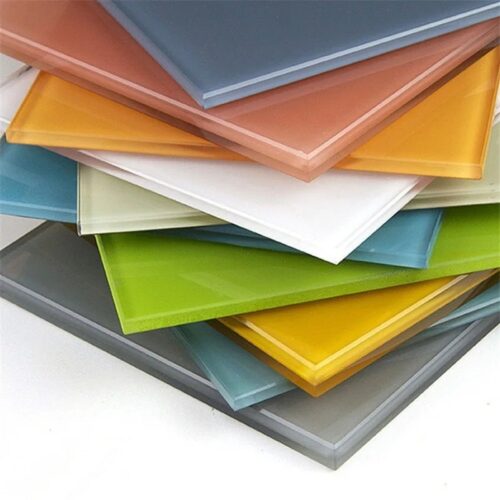
Düz Temperli Cam

Specify thermally tempered panels for a defined interior or architectural application. Start with the intended use, then confirm dimensions, thickness, support conditions, appearance, and hardware preparation. Whether you are comparing options for a contract package or planning a home project, send your requirements to establish availability and obtain a quotation for the specified configuration.

Tempered Glass Panels for Your Project

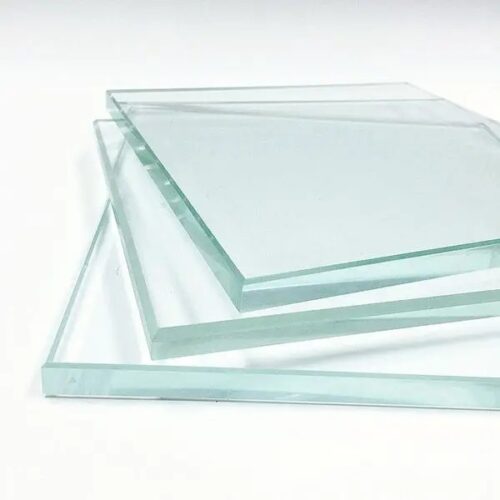
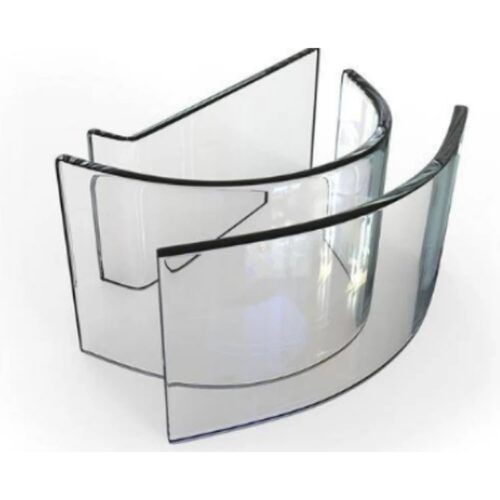
Tempered glass is flat glass that has undergone controlled heating and rapid cooling to increase strength and change its fracture pattern. Float glass describes the base production method; annealed glass describes its condition before additional heat treatment.
The tempering process creates surface compression. This changes material behavior but does not establish the suitability of a particular panel for your project.
Select the complete assembly, including fixings and supports. Plan protected handling and storage: heat treatment does not make a panel immune to damage. Confirm the proposed construction and fabrication capabilities before committing to an order.

Edge Finishes, Corners, Holes, and Cutouts

Identify exposed edges and specify the finish required on each side. Polished edges or a beveled profile may be relevant appearance choices; confirm availability and compatibility with the design.
Show corner details, hole diameters, cutout geometry, and hardware positions on a dimensioned drawing. Reference hole locations consistently and identify the viewing face where orientation matters.
Cutting, drilling, and dimensional edge fabrication must happen before tempering. “Custom cut” means fabrication to the required dimensions before heat treatment; finished tempered glass cannot be cut or drilled to correct an ordering error.

Clear Glass, Tint, and Surface Options

Define what occupants should see through the panel, how much screening is needed, and whether neighboring panels must match. Appearance preferences and privacy requirements should be recorded separately.
Where a colored, obscured, or coating option is proposed, confirm its availability, suitability for heat treatment, intended surface position, and compatibility with cleaning and hardware requirements. General market options do not establish what is available for this order.
For appearance-sensitive work, ask whether a representative sample can be supplied. Specify acceptance criteria for visible quality and matching before purchase, particularly when replacing part of an existing installation.

Which Glass Thickness and Dimensions Does Your Project Need?

Provide finished panel dimensions with units, quantity, shape, and acceptable tolerances. Identify whether measurements describe the opening or the required finished piece; installation clearances must be resolved before fabrication.

Include:

  • Thickness already specified by the project designer.
  • Supported sides, unsupported spans, and fixing locations.
  • Intended loads and application.
  • Any template, drawing revision, or orientation requirements.

Dimensions alone cannot determine an appropriate specification. A shelf, door, and tabletop may need different designs despite similar sizes. Confirm available dimensions and fabrication limits for the proposed configuration. If thickness remains undecided, flag it as unresolved before order approval.

Agree who supplies final measurements and who approves drawings, especially when a contractor coordinates several panel sizes.

Supplier Checks, Quality Documentation, and Delivery Planning

Evaluate the proposed order against written evidence. Ask which fabrication operations are available and whether the specified sizes, tolerances, finishes, and hardware preparation can be achieved together.

Before ordering, confirm:

  • A panel schedule or dimensional record matching the approved drawing revision.
  • Applicable product test records and required identification or marking.
  • Packaging method, unloading responsibilities, access restrictions, and delivery arrangements.
  • Procedures for reporting transit damage, dimensional discrepancies, and replacement requests.

Product compliance documents relate to the specified material or assembly; company certification serves a different purpose. Check what each document actually covers. Confirm any installation responsibilities separately, along with the agreed scope of supply.

What Is Needed for an Accurate Glass Quote?

Send the following information so the quotation can describe the intended order clearly:

  • Application and project requirements.
  • Finished dimensions and units for each panel.
  • Quantity by size or drawing reference.
  • Thickness, if already specified.
  • Finish preferences and exposed sides.
  • Holes, cutouts, corner details, and hardware references.
  • Drawings or templates, if available.
  • Delivery destination and site access requirements.
  • Requested project timing.

Missing information can be identified as provisional, but resolve it before authorizing fabrication. For a replacement, provide the required finished measurements and hardware details; photographs help explain the setting but do not replace dimensions.

Specification complexity, material availability, packaging, and transport requirements can affect pricing and scheduling. Ask what the quotation includes, its validity, and when any proposed delivery date becomes confirmed. Check amendment and cancellation terms before approving the order.

Applications for Doors, Showers, Shelves, and Tabletops

These applications require different ordering details. Confirm that the proposed construction and fabrication are available for your intended use.
UygulamaDetails to resolve before ordering
Glass doorsHardware model, fixing preparation, opening direction, and clearances.
Shower doorsHinge and handle positions, enclosure layout, and applicable requirements.
Glass shelvesSupport spacing, loading, exposed finishes, and corner details.
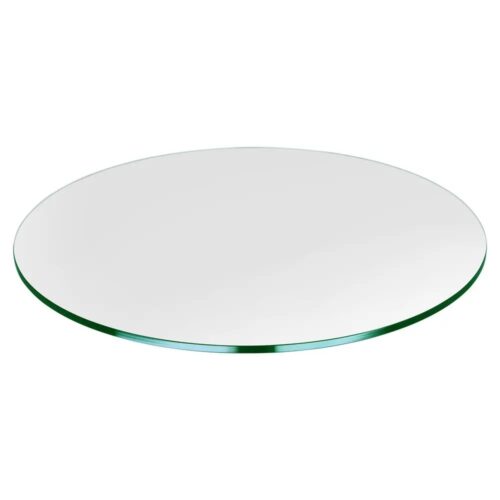
TabletopsBase contact points, overhang, finished dimensions, and exposed perimeter.

Tempered or Laminated Glass: Which Fits the Application

Choose by construction and required behavior after fracture, as well as appearance.
Cam tipiTreatment or constructionGeneral fracture behavior and retentionPurchasing implication
TemperliThermally strengthenedSmall fragments can fall out; no bonded retention in a monolithic panel.Confirm application requirements and consequences of an opening after fracture.
Lamine camMultiple glass layers bonded with an interlayerFragments generally adhere to the bonded layer; retention depends on the assembly.Specify the full build-up and required post-fracture performance.
Annealed glassWithout additional strengthening treatmentLarger, sharp pieces; no inherent bonded retention.Check whether the application requires a different construction.
Heat-strengthenedA distinct thermal treatmentLarger, sharp pieces; no inherent bonded retention.Does not qualify as safety glass by itself.

Tempered Glass FAQs: Specifications & Ordering

Find answers about panel sizing, fabrication, quotation requirements, and delivery planning to help you prepare your specifications before placing an order.
The appropriate specification depends on the application, loads, support arrangement, and hardware requirements. Provide finished dimensions with units, quantity, and any project drawings. Confirm installation clearances and fabrication tolerances before approval. Panel dimensions alone do not establish suitability.
No. All cutting, drilling, cutouts, and dimensional edge work must be completed before heat treatment. Confirm measurements and hardware positions before fabrication. If a finished panel has incorrect dimensions or hole locations, a replacement will generally be required.
Include the intended application, finished dimensions and units, quantity, specified thickness, finish preferences, and hardware preparation. Attach dimensioned drawings where available, and provide the delivery destination and requested project timing. Identify unresolved details so the quotation can clearly state its assumptions and scope.
Timing depends on material availability, fabrication complexity, quantity, packaging, and delivery arrangements. Provide your requested completion date when submitting an inquiry, then confirm the proposed schedule before ordering. Ask when that schedule becomes firm and how specification changes could affect it.