We are a leading glass manufacturer based in China,
Specializing in high-quality glass solutions for industrial and architectural applications.
With years of experience and ISO certification, we provide fast, tailored quotes and responsive support for procurement professionals,engineers, and project managers worldwide.
We are a leading glass manufacturer based in China,
Specializing in high-quality glass solutions for industrial and architectural applications.
With years of experience and ISO certification, we provide fast, tailored quotes and responsive support for procurement professionals,engineers, and project managers worldwide.
Ever been in a specs meeting where someone says “laminated glass isn’t safety glass”? I have. From my experience (and industry chatter) it gets under people’s skin because the term doesn’t do the work — the performance test does. Laminated glass can be safety glass. Flat out. But it only counts when it’s been tested and certified to the standards that let building officials mark a check‑box on a permit form.
It’s a weird fact. Laminated glass looks like safety glass. It feels like safety glass. Yet if it doesn’t have the right test marks (ANSI Z97.1 or CPSC 16 CFR 1201), it doesn’t legally operate as safety glass. The building code doesn’t care that your sandwich‑pane assembly looks tough — it wants performance results. And that’s where most confusion starts. According to ASTM and code consultants, safety glazing isn’t just glass that “holds together”; it’s something that passes the specified test batteries for safety glazing performance.
Table of Contents
The ugly truth architects don’t say aloud
I frankly believe that a lot of people in the field treat laminated glass as safety glass by default because laminated often performs safely in the real world — it holds shards together behind a PVB interlayer. That’s not just hype: laminated glass is categorized as safety glass on Wikipedia — it’s literally defined that way because the polymer layer keeps big sharp pieces from becoming projectiles.
But ask a code inspector: “does this replicate the ANSI Z97.1 or CPSC 1201 data on the cut sheet?” — and suddenly you’re in an entirely different conversation.
Short answer. Yes. If tested.
Long answer below.
Laminated safety glass isn’t some myth
Sure, tempered glass gets all the hype. It’s the flashy, “breaks safely” kid in the glass family. But laminated safety glass plays defense differently — and in some applications, its behavior wins.
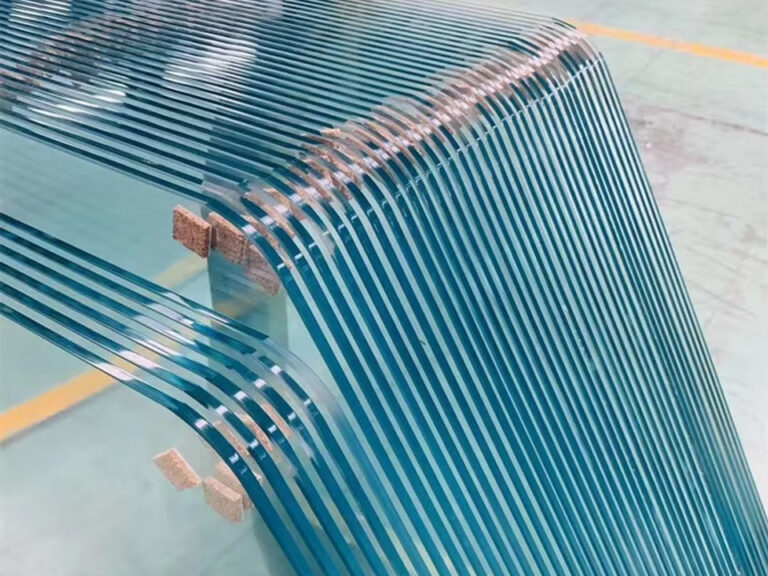
Laminated glass is made by bonding multiple lites of glass with interlayers like PVB or ionomer. It cracks — yes — but the interlayer holds fragments together instead of letting shards scatter. That restraint matters where the fallout from glass breakage is a very real hazard.
Here’s the kicker: the building codes in the U.S. (e.g., IBC 2406) don’t care whether something is “laminated” or “tempered” — they only care that it’s safety glazing that passes tests. Both can qualify if they meet the performance criteria in ANSI Z97.1 or the CPSC standard.
Tiny chart for the real world:
Property
Tempered Glass
Laminated Glass
“Safety glass” by test
Yes (ANSI Z97.1 / CPSC)
Yes (ANSI Z97.1 / CPSC)
Fragment ride‑along (post break)
Breaks into small cubes
Holds shards on interlayer
Fall‑through risk
Higher (fragments can be expelled)
Lower (barrier intact)
Sound insulation
Moderate
High
UV reduction
Low
High
Tempered glass can meet safety glazing tests — and often does very well — but laminated glass has this stubborn benefit: it keeps the plane together even after breakage. That’s why guardrails, skylights, and overhead glazing almost always go laminated.
Building code wants performance, not marketing
Here’s the part that makes specification writers slam their coffee mugs down:
The International Building Code doesn’t list product names. It lists performance requirements (IBC Section 2406). If a laminated assembly passes the safety glazing test, it counts.
ANSI Z97.1 spells out exactly what “safety glazing” performance looks like — impact resistance, weathering behavior, fragmentation limits — and laminated glass can be built to pass.
The CPSC 16 CFR 1201 standard gives another federally recognized test for safety glazing certification.
This means if someone says “laminated isn’t safety glass” — they’re just wrong. They might be thinking of untested laminated assemblies (which indeed don’t count) or confusing cosmetic laminated glass with safety‑rated laminated glass.
So what do you ask your glass supplier? “Show me the ANSI Z97.1 or CPSC 1201 stamp on the cut sheet.”
If they can’t, then they’re selling pretty glass, not safety glazing.
Laminated vs toughened glass — not the same thing
Which one is “better”? My take: it depends on what your job actually demands.
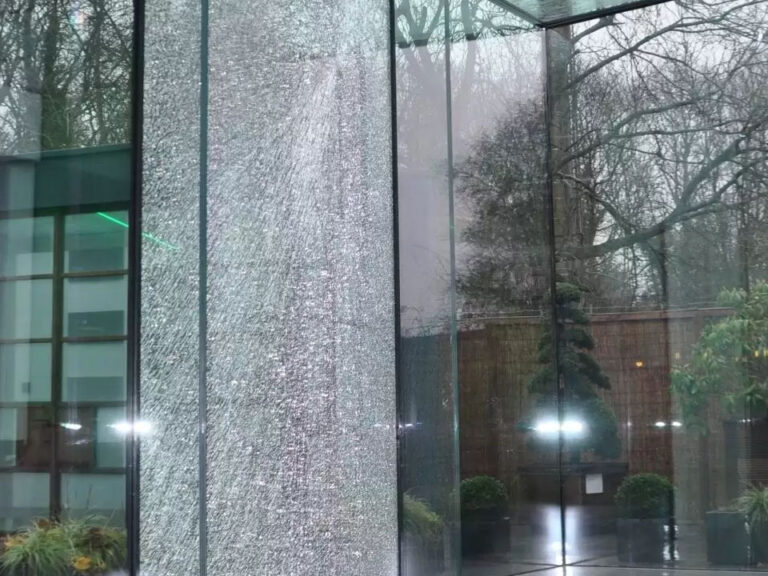
Tempered (also called toughened) glass gets heat treatment to boost strength and break into little cubes that are less dangerous.
Laminated glass also meets safety criteria — but it does so by retaining the fracture fragments on an interlayer. That’s a subtle difference with huge implications for hazards beyond lacerations: fall‑through protection, debris containment, windstorm resistance, you name it.
“The code says both are safety glass.” That’s technically true.
But:
Laminated glass is the only choice for overhead glazing because it keeps the barrier intact even if it cracks.
Tempered is economical and very strong for doors, showers, and partitions.
Laminated gives you extra acoustic and UV benefits that a lot of specs quietly reward.
That’s the real selection logic — not a paint‑by‑numbers checklist.
Some messy truths
I’ve been on jobs where designers specified laminated glass because it feels safer, yet their submittal sheet showed an interlayer so thin it didn’t pass the ANSI test — so the inspector threw it out. This isn’t semantics; it’s liability. You either meet a code‑recognized test or you don’t.
So, does laminated glass count as safety glass? Yes. But only when it carries the right test credentials.
Is laminated glass safety glass? It’s safety glass only if it’s tested and certified to relevant safety glazing standards (ANSI Z97.1 or CPSC 16 CFR 1201). Without test marks, it’s just laminated glass, not safety glazing.
How does laminated glass differ from tempered safety glass? Tempered safety glass fractures into many small chunks to reduce injury. Laminated safety glass fractures but stays bonded to its interlayer, maintaining barrier integrity.
Does laminated glass count as safety glass in building codes? Yes — building codes accept laminated glass as safety glazing when it meets recognized performance standards.
What’s the best safety glass for windows? That depends on the hazard: tempered for general hazard areas; laminated when shard retention and post‑break barrier integrity matter.
Next steps
Got a project where safety glazing is mission‑critical? Don’t wing it. Get detailed performance data upfront and verify compliance before the inspector gets involved. Need custom safety glazing solutions? Reach out via the contact page.