We are a leading glass manufacturer based in China, specializing in high-quality glass solutions for industrial and architectural applications. With years of experience and ISO certification, we provide fast, tailored quotes and responsive support for procurement professionals, engineers, and project managers worldwide.

Sustainable Glass Solutions
Discover sustainable glass solutions aimed at reducing environmental impact, promoting energy efficiency, and supporting eco-friendly practices in glass production and use.
Premium Quality Assurance
Reliable & Fast Delivery
How to Reduce Overheating in Fully Glazed Curtain Walls

Completely glazed curtain walls overheat when layout teams confuse daytime with comfort and transparency with efficiency. This overview clarifies exactly how to lower solar warmth gain curtain wall troubles without killing the façade idea.
Triple Glazing Weight vs Energy Gain: A Better ROI Framework

Triple glazing can save energy, but the real ROI depends on weight, hardware, climate zone, installation risk, and whole-unit U-value. This framework shows when triple glazing beats double glazing — and when it quietly burns the budget.
Brise-Soleil vs Better Glass Specs: Which Delivers More?

Brise-soleil can beat far better glass specifications when the real trouble is direct sunlight, not U-value vanity. Yet bad geometry, poor positioning, and inexpensive detailing can turn façade shading right into expensive design.
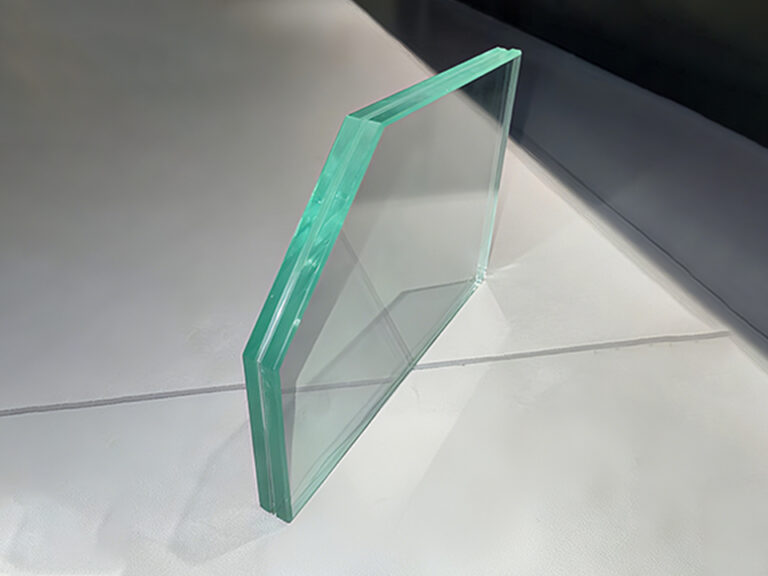
Laminated Low-E Glass for Projects Needing Sound and Efficiency

Laminated Low-E Glass is not just “quiet glass with a coating”; it is a risk-control decision for projects where noise, heat, glare, safety, and procurement all collide. This article takes a hard look at where laminated acoustic glass wins, where insulated Low-E units do more, and why cheap substitutions usually show up later as tenant complaints.
Reflective Glass Damage: Can Solar Reflection Melt Materials?

Reflective glass damage is not folklore; it is physics, material failure, warranty conflict, and bad façade planning meeting at noon. This article explains why low-e window reflection can melt vinyl siding, warp plastics, discolor coatings, and create liability headaches.
Passive House Windows: Is Bigger Glass Always a Bad

Bigger glass is not automatically bad in a Passive House, but it punishes sloppy modeling faster than any wall assembly. This article explains when large Passive House windows pay back, when they overheat, and why the frame often matters more than the glass.
Lifecycle Cost Models for High-Performance IGU Procurement

Most IGU buyers still pretend a low bid is a lifecycle model. It isn’t. This piece shows how I’d pressure-test high-performance IGU procurement with real 2023–2024 federal evidence, supplier filters, and a table that separates thermal value from brochure noise.
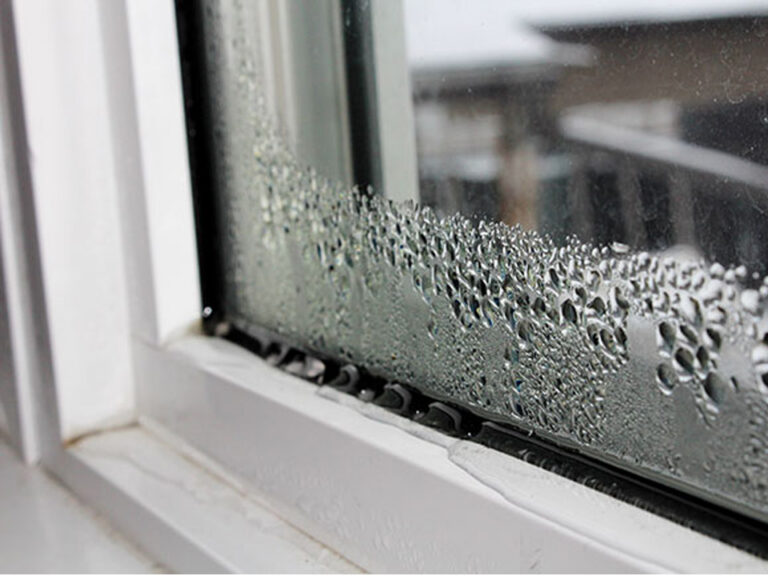
Condensation Risk in High-Performance Low-E Window Packages

High-performance low-E windows can cut heat loss and still show condensation when the package is badly specified. This piece explains where the risk really starts, what the 2023–2024 data says, and which specs actually matter.
How to Manage Glare and Reflectivity Risk on Glass Facades

Glass façades fail when teams treat reflectivity as an aesthetic choice instead of a measured risk. This piece shows where glare complaints start, what 2024 regulators are signaling, and which fixes actually survive procurement.
Hospitality Glass Packages That Reduce Condensation and Discomfort

Most hotel glazing specs still miss the real problem: interior-surface temperature, not just visible light or first cost. This piece breaks down the Low-E glass package details that actually reduce condensation, guest discomfort, and compliance risk.
How to Use EPDs When Sourcing Architectural Glass Products

Most glass buyers read EPDs too politely. This piece shows how to audit them like a procurement weapon, not a sustainability ornament.
Can Tempered Glass Be Recycled? What Buyers Should Know

Here’s the real scoop on tempered glass recycling—it’s not like bottles. You’ll learn what’s accepted, what’s not, and where your shower glass might actually go instead of a landfill.