We are a leading glass manufacturer based in China,
Specializing in high-quality glass solutions for industrial and architectural applications.
With years of experience and ISO certification, we provide fast, tailored quotes and responsive support for procurement professionals,engineers, and project managers worldwide.
We are a leading glass manufacturer based in China,
Specializing in high-quality glass solutions for industrial and architectural applications.
With years of experience and ISO certification, we provide fast, tailored quotes and responsive support for procurement professionals,engineers, and project managers worldwide.
Transit Damage Claims: A Faster Process for Glass Buyers
Transit damage claims are not paperwork. They are a race against disappearing evidence.
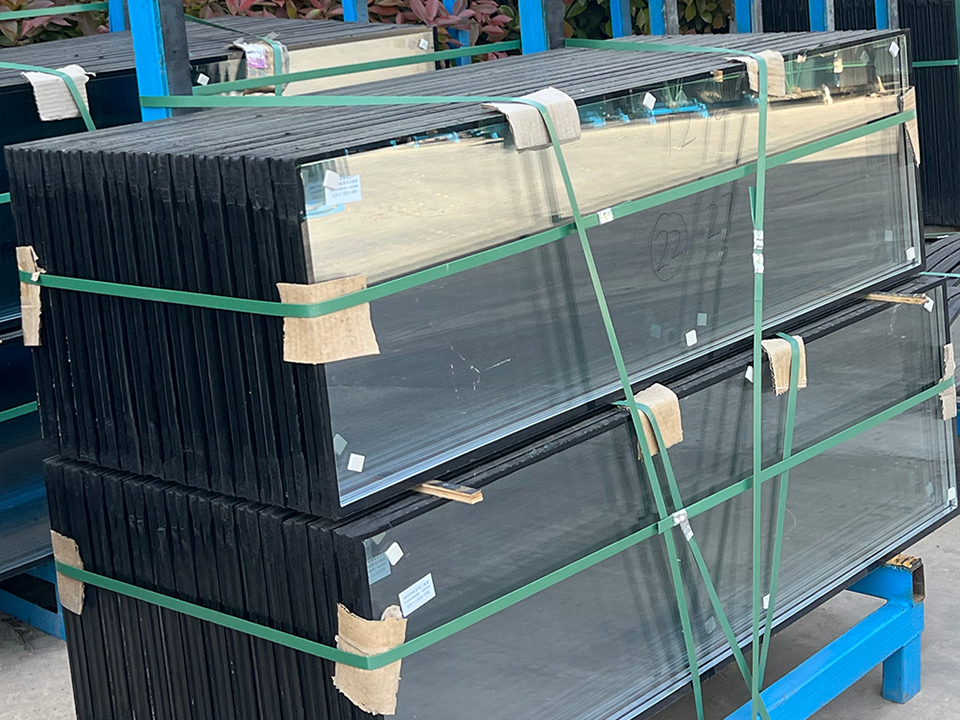
That sounds dramatic, but anyone who has received a cracked IGU, chipped polished edge panel, or bowed laminated lite knows the truth: the product is only half the problem; the other half is proving where the failure happened, who touched it last, and whether the receiving team documented it before the carrier left the dock.
Here’s the hard part. Most glass buyers think the claim begins when they email the supplier. Wrong. The claim begins at delivery, when the crate is still on the truck, the bill of lading is still unsigned, and the driver is quietly hoping nobody photographs the crushed corner.
Glass breaks quietly.
And once that crate moves from dock to storage, once shrink wrap is cut, once a warehouse worker says “maybe it was already like that,” the cleanest damaged in transit claim starts to rot. Who benefits from that ambiguity? Usually not the buyer.
A 2023 LTL damage study reported an average LTL damage rate of 1.94%, or roughly 1 in 51 shipments, with average damage/loss claim costs around $3,777 per shipment; that tracks with what I’ve seen in fragile building materials, where one bad pallet can wipe out the margin on several good orders. A 2024 consumer delivery study also reported 85 million damaged parcels in 12 months and a one-third increase from the prior year, which is not glass-specific, but it does show the broader pressure inside parcel and freight networks.
Table of Contents
Why Glass Buyers Get Burned on Transit Damage Claims
Most denied shipping damage claims are not denied because the glass was fine.
They are denied because the file is weak.
In the freight world, damage is treated as a documentation event before it is treated as a product event. That sounds cold because it is. A carrier does not want a story. A carrier wants timestamps, photos, delivery exceptions, carton/crate condition, SKU values, replacement cost, and proof that the shipment was received damaged rather than damaged after delivery.
The Carmack Amendment, the U.S. framework often discussed in interstate freight damage disputes, is usually summarized around three buyer-side proofs: the goods were accepted by the carrier in good condition, delivered in damaged condition, and tied to a measurable value of loss. A 2023 legal analysis described that three-part burden in exactly those practical terms.
For glass buyers, that creates a brutal question: can you prove the crate failed before your warehouse touched it?
If you buy specialized products like custom size bulk Low-E insulated glass, the claim file should not be treated like a generic parcel refund. Low-E coatings, spacer systems, edge seals, and gas-filled IGU structures create different inspection points than a box of hardware. One hairline fracture near an edge deletion zone can mean the unit is commercially unusable even when the outer packaging looks only mildly bruised.
The Faster Claims Process: What Should Happen in the First 15 Minutes
A faster claims process for glass buyers is not about yelling louder.
It is about compressing the evidence window.
When a damaged glass delivery claim lands at your dock, the receiving team should do four things before signing clean: inspect the crate exterior, photograph all visible damage, mark the delivery receipt with precise exception language, and isolate the shipment before internal handling muddies the story.
Do not write “damaged.”
Write like a claims adjuster who has trust issues.
Better: “Crate right lower corner crushed; visible glass fracture on Panel 3; banding displaced; driver present; photos taken before unloading completed.”
That sentence has value. It gives location, condition, sequence, and witness context. I have seen claims move faster because one warehouse lead wrote a strong exception line, and I have seen obvious breakage die because someone wrote “box issue” and signed.
The Evidence Stack That Actually Wins a Glass Shipping Damage Claim
A glass shipping damage claim needs a clean evidence stack. Not 80 random images dumped into an email. Not a blurry close-up of broken glass with no label. Not a complaint that begins with “We just opened this from last week.”
Build the file in order.
First, show the unopened crate from all four sides. Then show the shipping label, bill of lading, pallet ID, crate marks, tilt indicators if used, crushed corners, punctures, strap marks, and any broken blocking. Then show the product damage while the product is still associated with its packaging. Then show the invoice value and replacement value.
For premium glass, tie the claim to the exact product type. A cracked annealed sample is not the same claim as fractured multi-layer ballistic glass for bulk supply, where thickness, interlayer construction, lamination quality, and security rating can materially change replacement cost.
My opinion: buyers under-document because they think the supplier will “handle it.” Good suppliers help. But carriers pay claims based on records, not sympathy.
Table: Fast Claim File vs. Slow Claim File
Claim Element
Fast Transit Damage Claims File
Slow or Rejected Claims File
Delivery receipt
Specific exception noted before clean acceptance
Signed clean, damage reported later
Photos
Exterior crate, labels, BOL, damage sequence, product ID
Random close-ups with no shipment context
Timing
Reported same day, ideally within hours
Reported days later after unpacking or storage
Product value
Invoice, SKU, replacement cost, quantity affected
“Please compensate us” with no clear amount
Packaging evidence
Crate, pallet, banding, foam, blocking preserved
Packaging discarded before review
Responsibility trail
Carrier, supplier, receiver actions separated
Everyone argues from memory
Best use case
Freight damage claims process for fragile commercial goods
Informal customer-service complaint
The Dirty Secret: “Concealed Damage” Is Where Claims Go to Die
Concealed damage is the graveyard.
Yes, concealed damage can be real. Glass can crack inside a crate while the outside looks acceptable. But the later you discover it, the more oxygen you give to the carrier’s favorite defense: maybe the damage happened after delivery.
This is why glass buyers should create a receiving SOP for every fragile shipment. I do not care whether the order is decorative, safety-rated, or energy-performance glass. The receiving clock matters.
For example, a buyer receiving patterned IGU options for decorative use should inspect not only breakage but pattern orientation, visible surface scratches, corner chips, spacer alignment, and seal damage. Decorative glass often fails commercially before it fails structurally. A scratch across a privacy pattern may not look catastrophic in a photo, but it can still make the lite unacceptable for the installation.
What Buyers Should Demand from Suppliers Before Shipment
A faster process starts before the truck arrives.
Ask the supplier for packing photos, product labels, crate IDs, dimensions, gross weight, handling marks, and declared shipment value. Ask whether the glass is shipped upright, blocked, edge-protected, and separated with non-abrasive pads. Ask who files the carrier claim if the shipment arrives damaged.
This is where I get blunt: if your supplier cannot explain its claim workflow before the order ships, you do not have a freight plan. You have hope with a tracking number.
For heavy architectural products like custom curtain wall laminated glass for safety use, documentation should be even tighter. Laminated safety glass can involve PVB, SGP, EVA, or other interlayer systems, and replacement lead times may hit the project schedule harder than the direct product cost.
How to File a Transit Damage Claim Without Losing the Plot
How to file a transit damage claim?
Start with the delivery record, not the complaint email.
Your claim should include the carrier name, PRO or tracking number, bill of lading, delivery receipt with exception notes, invoice, replacement quote, photos, product description, quantity damaged, date received, date discovered, and a short statement of facts. Keep emotion out. Keep sequence in.
Bad claim language says: “The glass arrived broken and this caused a big problem for our customer.”
Better claim language says: “Shipment received April 9, 2026, at 10:42 a.m.; crate exterior showed right-side impact damage; delivery receipt marked with exception; after controlled opening, 4 of 12 tempered curved panels showed edge fracture consistent with impact at same crate location; attached are BOL, invoice, packing photos, receiving photos, and replacement value.”
That is not pretty writing. It is useful writing.
If the order involves curved tempered glass prepared for lamination, identify the bend radius, thickness, tempering status, quantity, and whether the product can be salvaged. “Broken glass” is too vague for commercial recovery.
When the Carrier Blames Packaging
The carrier blaming packaging is not always wrong.
That is the uncomfortable part.
Glass buyers often assume every break is carrier abuse. Sometimes it is. Sometimes the crate was underbuilt, the blocking was lazy, the edge protection was cosmetic, or the product was stacked in a way that guaranteed failure after the third terminal transfer.
Under Carmack-style freight disputes, carriers can raise defenses tied to causes such as shipper fault or inadequate packaging; older case law has repeatedly discussed carrier liability and exceptions where improper packing is alleged.
So buyers should ask one ugly question before placing repeat orders: did the packaging match the risk?
A 6 mm display lite does not need the same crate as oversized laminated curtain wall glass. A polished edge panel needs edge protection that respects the finished surface. That is why wholesale ultra-clear display glass with polished edges should be treated as a finish-sensitive product, not merely a breakable commodity.
The Claim Timeline I Would Use for Glass Shipments
Timeline
Buyer Action
Why It Matters
Before shipment
Request packing photos, crate ID, product list, declared value
Establishes pre-shipment condition and shipment identity
At delivery
Inspect exterior before signing
Protects the receiving record
Before driver leaves
Mark specific exceptions on delivery paperwork
Prevents “clean delivery” arguments
Same day
Photograph crate, labels, product damage, and packaging
Locks the evidence sequence
Within 24 hours
Notify supplier and carrier with the full claim packet
Speeds review and limits doubt
Within 48 hours
Request replacement quote and salvage instructions
Separates recovery from project delay
Before disposal
Preserve broken glass and packaging until released
Avoids evidence destruction arguments
The Buyer’s Internal SOP: Boring, Cheap, Effective
The best transit damage claims process is not heroic.
It is boring.
One person owns receiving. One person owns photos. One person owns claim submission. Every glass shipment gets the same checklist. Nobody signs clean until the exterior has been inspected. Nobody discards packaging until the supplier or carrier confirms the claim is documented.
This matters even more for performance glass like custom-size warm edge energy-saving glass, where damage may involve seal integrity, spacer deformation, desiccant exposure, argon loss risk, or Low-E surface problems that do not photograph as dramatically as shattered glass.
The fastest claim is not the one with the angriest email. It is the one with the least room for argument.
FAQ: Transit Damage Claims for Glass Buyers
What are transit damage claims?
Transit damage claims are formal reimbursement requests made when goods are lost, broken, chipped, cracked, scratched, crushed, or otherwise harmed during shipping, and they usually require proof of shipment condition, delivery condition, product value, and timely notice to the supplier, carrier, or insurer. For glass buyers, that proof must be unusually visual and specific.
The phrase sounds broad, but in glass it gets technical fast. A cracked IGU, broken laminated panel, chipped polished edge, scuffed coating, crushed spacer, or shattered curved lite can each trigger a different evidence requirement. Treat every claim like a miniature investigation, not a customer-service ticket.
How do I file a transit damage claim for glass?
To file a transit damage claim for glass, document the damage at delivery, mark specific exceptions on the delivery receipt, photograph the crate and product before internal handling, preserve packaging, collect the invoice and replacement value, and submit the claim packet quickly to the supplier, carrier, or insurer. Speed and sequence matter.
The mistake I see most often is sending the supplier two close-up photos and asking, “Can you handle this?” That is not a claim file. A serious file shows the shipment identity, packaging condition, point of impact, affected glass units, and financial loss in one clean chain.
What should I write on the delivery receipt if glass arrives damaged?
If glass arrives damaged, the delivery receipt should state the exact visible condition, affected location, and whether product damage is visible before acceptance, using language such as “crate corner crushed, glass visibly cracked, banding displaced, photos taken before unloading completed.” A vague note like “damaged” is weak.
Never sign clean if there is visible crate damage. Clean delivery paperwork can become the carrier’s favorite exhibit. The driver may be in a hurry, but your claim may depend on the 30 seconds you spend writing a precise exception.
Can I claim concealed glass damage after the driver leaves?
Concealed glass damage can sometimes be claimed after the driver leaves, but it is harder because the buyer must show the damage likely occurred during transit rather than during unloading, storage, unpacking, or jobsite handling. The sooner the damage is discovered and reported, the stronger the damaged in transit claim becomes.
My practical advice: inspect fragile glass the same day it arrives. If that is impossible, photograph the unopened crate immediately and document where it was stored. Do not let the shipment disappear into a warehouse corner for five days and expect a smooth recovery.
Who is responsible for shipping damage claims: buyer, supplier, or carrier?
Responsibility for shipping damage claims depends on freight terms, carrier contracts, insurance, bill of lading language, and supplier policy, but the buyer usually controls the most important evidence because the buyer receives the shipment and signs the delivery paperwork. That receiving record often determines whether the claim moves quickly or stalls.
This is why purchasing teams should settle claim ownership before ordering. Ask who files the freight claim, who issues replacement glass, whether replacement production waits for carrier approval, and whether the supplier requires photos, packaging retention, or inspection before credit.
Stop Treating Broken Glass Like Bad Luck
Transit damage claims are not a side task. For bulk glass buyers, they are part of procurement discipline.
A faster claims process for glass buyers comes from three habits: document before signing, photograph before moving, and report before the story gets fuzzy. Do that, and the carrier has fewer exits. Skip it, and even a legitimate glass shipping damage claim can become a slow argument nobody wants to own.
If your team is buying custom glass in volume, build the claim process into the purchase process. Ask for packing standards, shipment photos, claim ownership, and replacement timelines before the order leaves the factory. And when damage happens, act like the first 15 minutes are worth the invoice value—because sometimes they are.