We are a leading glass manufacturer based in China,
Specializing in high-quality glass solutions for industrial and architectural applications.
With years of experience and ISO certification, we provide fast, tailored quotes and responsive support for procurement professionals,engineers, and project managers worldwide.
We are a leading glass manufacturer based in China,
Specializing in high-quality glass solutions for industrial and architectural applications.
With years of experience and ISO certification, we provide fast, tailored quotes and responsive support for procurement professionals,engineers, and project managers worldwide.
ASTM E1300 Explained for B2B Glass Buyers and Specifiers
I still remember a jobsite argument in Chicago—wind engineers, glazing contractor, architect—standing in a half-finished lobby with exposed mullions, everyone pointing at the same spreadsheet like it was scripture. Someone finally said, “ASTM E1300 has it covered,” and I swear the room went weirdly quiet, like we all knew that sentence was doing way too much heavy lifting for something so misunderstood under real wind loading conditions and field installation damage risk. Nobody pushed back. That’s the problem.
Table of Contents
What ASTM E1300 Actually Govern
But let’s not pretend this standard is magical.
ASTM E1300 is basically a structured method for estimating glass load resistance under uniform lateral loads—wind, snow, dead load—assuming ideal support, clean edges, and predictable geometry, which sounds solid until you remember field conditions routinely violate every one of those assumptions the moment glazing starts on-site.
I frankly believe most specifiers don’t read the fine print. They skim. Then trust.
And here’s the ugly truth: the standard itself admits installed glass is weaker than freshly manufactured glass because of surface abrasion and edge micro-damage over time.
Weak point. Right there.
So when someone uses it for something like anti-reflective coated glass in a high-end façade system, I just… pause. Coating stress, heat soak, fabrication variability—it’s not even fully in the model.
Off-script reality. Always.
The Hidden Math Behind Glass Thickness
Ever notice how people say “just bump it to 8mm”?
That line usually comes from someone who’s never actually run an E1300 probability-of-breakage calculation where thickness is not a preference—it’s an output derived from load duration, support conditions (2-side beam vs 4-side plate behavior), glass type (annealed vs tempered), and acceptable failure probability thresholds baked into the model logic.
And yeah, the model is strict about geometry. Rectangular. Fully supported. No funny business.
Three-word reality check: Not flexible. Ever.
I’ve seen teams overdesign by 25% just because they misread support conditions. Not joking.
Factor
Field Assumption
E1300 Reality
Thickness choice
“Safety buffer”
Calculated output
Support condition
“Standard frame”
Structural behavior driver
Load type
“Wind is wind”
Duration-sensitive
Glass condition
“Factory perfect”
Degrades after install
This is exactly why something like patterned shower glass bulk supply gets treated like façade glass in some specs. I’ve seen it. Too often.
Wrong mindset. Different universe.
ASTM E1300 vs Building Codes
However—and this is where people slip—ASTM E1300 doesn’t tell you what loads to use. It assumes you already pulled them from ASCE 7 or equivalent structural codes, which creates this awkward dependency chain where engineers mix allowable stress thinking with ultimate load combinations without fully aligning assumptions.
That’s where confusion lives.
Even engineers openly discuss it:
“ASTM E1300… adopts allowable stress.”
So yes—method mixing happens in real projects.
And when you’re dealing with low-E glass for commercial buildings, you can hit thermal compliance perfectly while structural assumptions quietly drift out of alignment.
No alarms. Just drift.
Field Reality: Where Glass Actually Fails
Yet most failures I’ve seen weren’t “wrong thickness” problems.
They were execution problems.
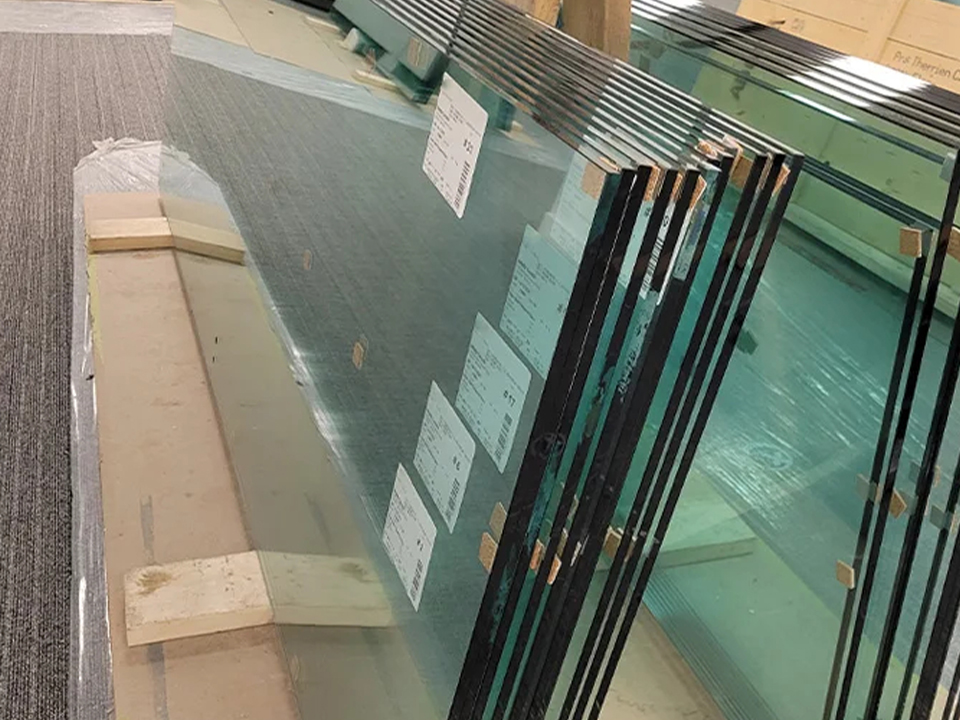
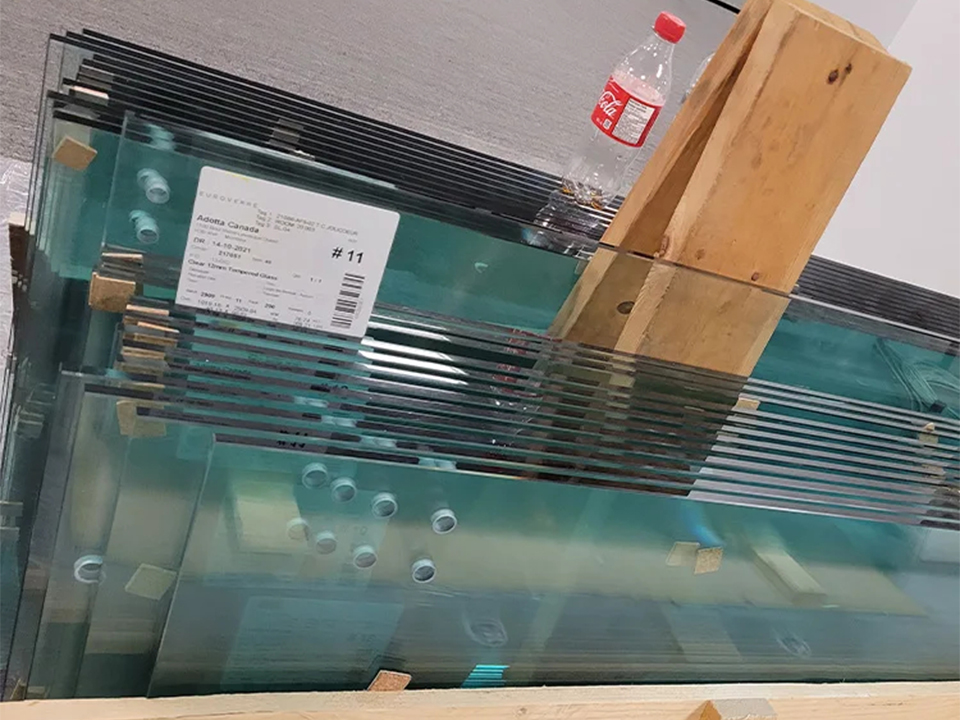
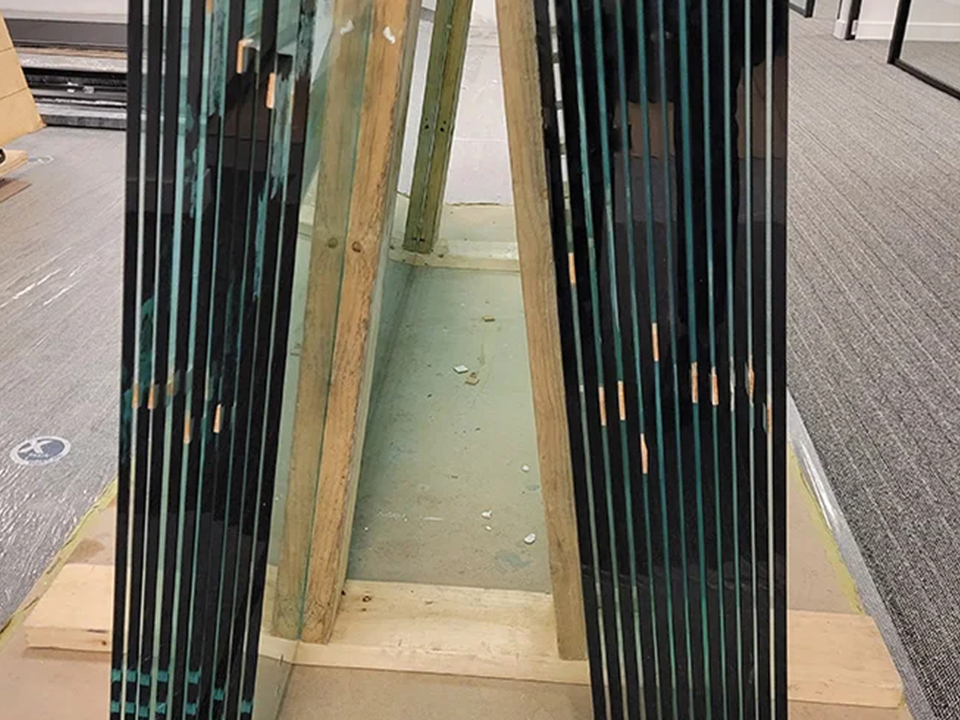
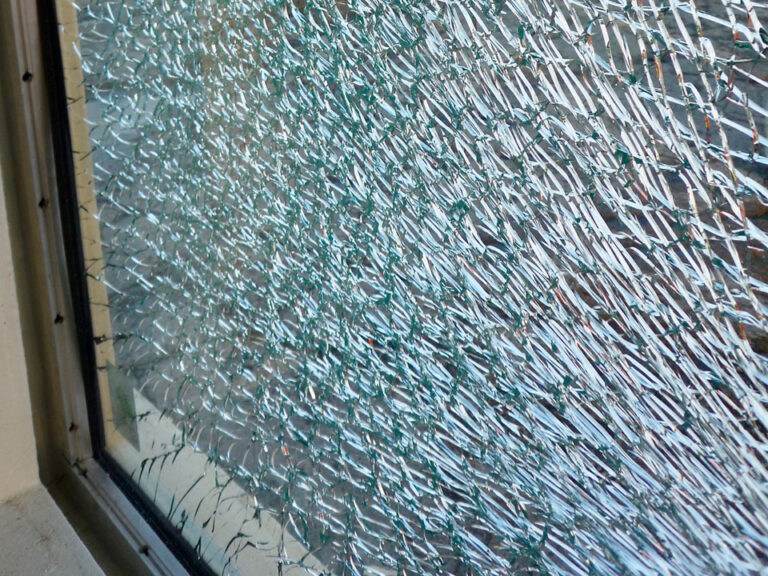
Edge damage from handling. Gasket pressure inconsistency. Long-term wind cycling fatigue. Micro-scratches that slowly reduce surface strength. ASTM even acknowledges that real-world glass is weaker than pristine lab samples due to exposure and abrasion.
That detail matters more than people admit.
And when someone applies E1300 thinking to bullet-resistant glass panels… I mean, stop. That’s UL 752 territory. Impact physics. Layered laminates. Completely different behavior model.
Not even close.
How to Actually Use ASTM E1300 Without Overpaying
But here’s the practical side.
Start with real design loads—not “typical values.” Define support conditions precisely (this is where most mistakes happen), then run the E1300 model properly for thickness selection based on acceptable breakage probability under uniform load conditions.
Then stop.
Because the next step is where experience kicks in.
It’s simple and uncomfortable: overdesign and you burn budget fast; underdesign and you risk breakage under real wind cycling and installation variability that no spreadsheet fully captures.
From my experience, good specifiers don’t blindly trust outputs.
They interrogate inputs.
Quietly. Repeatedly.
FAQs
What is ASTM E1300 for glazing?
ASTM E1300 is a structural calculation standard used to estimate the load resistance and probability of breakage of glass under uniform loads such as wind or snow, helping engineers determine appropriate thickness and glass configuration for building applications.
How is ASTM E1300 used in glass thickness calculation?
ASTM E1300 is used by inputting glass size, support condition, load magnitude, and material type into standardized charts or software to calculate the minimum thickness required to achieve a target breakage probability under uniform loading.
Does ASTM E1300 cover all glass applications?
ASTM E1300 only applies to vertical and sloped glazing under uniform lateral loads and excludes applications like floors, railings, and shelves, as well as non-uniform or impact-based loading scenarios.
What is the difference between ASTM E1300 and building codes?
ASTM E1300 calculates glass resistance, while building codes define required loads; both must be used together because the standard depends on external load inputs from structural codes like ASCE 7.
Why do specifiers misinterpret ASTM E1300?
ASTM E1300 is often misinterpreted because it relies on ideal assumptions—perfect edges, correct support conditions, and clean installations—that rarely match real-world construction conditions.
Final Take: What Buyers Should Actually Do
So here’s my blunt view.
ASTM E1300 isn’t wrong—it’s just incomplete by design.
And if you treat it like the full story instead of a model with strict boundaries and hidden assumptions, you’re not reducing risk.
You’re just relocating it somewhere you won’t see it until it becomes expensive.


Shop Drawing Notes That Prevent Code and Scope Disputes