نحن شركة رائدة في مجال تصنيع الزجاج ومقرها الصين، ومتخصصون في حلول الزجاج عالي الجودة للتطبيقات الصناعية والمعمارية. وبفضل سنوات من الخبرة وحصولنا على شهادة الأيزو، نقدم عروض أسعار سريعة ومصممة خصيصًا ودعمًا سريعًا وسريع الاستجابة لمحترفي المشتريات والمهندسين ومديري المشاريع في جميع أنحاء العالم.
لين لي
مؤسس
تصنيع زجاج موثوق به للمشاريع الصناعية والمعمارية
نحن شركة رائدة في مجال تصنيع الزجاج ومقرها الصين، ومتخصصون في حلول الزجاج عالي الجودة للتطبيقات الصناعية والمعمارية. وبفضل سنوات من الخبرة وحصولنا على شهادة الأيزو، نقدم عروض أسعار سريعة ومصممة خصيصًا ودعمًا سريعًا وسريع الاستجابة لمحترفي المشتريات والمهندسين ومديري المشاريع في جميع أنحاء العالم.
Electrochromic vs PDLC Glass: Which Problem Does Each Solve?
I’ve been on enough glazing calls—some useful, some pure vendor karaoke—to know how this goes: somebody says “smart glass,” everyone in the room starts acting as if one product family can fix privacy, glare, SHGC headaches, solar gain, tenant complaints, daylighting, HVAC oversizing, façade optics, and the architect’s obsession with clean sightlines, even though those are different problems with different failure points and, frankly, different price tags. It can’t.
And that’s the first hard truth. Most smart glass writeups are too neat. Too symmetrical. Too polished. Real jobs aren’t like that. Real jobs have VE pressure, bad control sequences, late RFIs, and one owner rep asking why the “high-tech glass” still doesn’t solve the exact thing they care about.
But the stakes are real. UNEP’s 2024 Global Status Report says buildings accounted for 34% of global energy demand and 37% of energy- and process-related CO2 emissions in 2022, which is exactly why glazing decisions now get dragged into decarbonization conversations whether the project team is ready for that conversation or not.
جدول المحتويات
Smart glass is not a product. It’s a bucket.
Here’s the ugly truth.
People use “smart glass” the way people use “AI” now—broad, lazy, and a little smug. But when you zoom in, the split is obvious. If the actual problem is solar heat gain smashing a west elevation, glare washing out monitors, or perimeter-zone discomfort making the BMS team look dumb, electrochromic glass is the serious candidate. If the actual problem is instant visual privacy in a boardroom, clinic, executive office, spa, or guest bath, PDLC glass is the serious candidate.
The worst façade meetings are the ones where everyone talks about aesthetics while the west side of the building is quietly cooking people alive after lunch, because once glare complaints hit operations and cooling loads start climbing, the project stops being “design-forward” and starts being a mechanical problem wearing a nice suit.
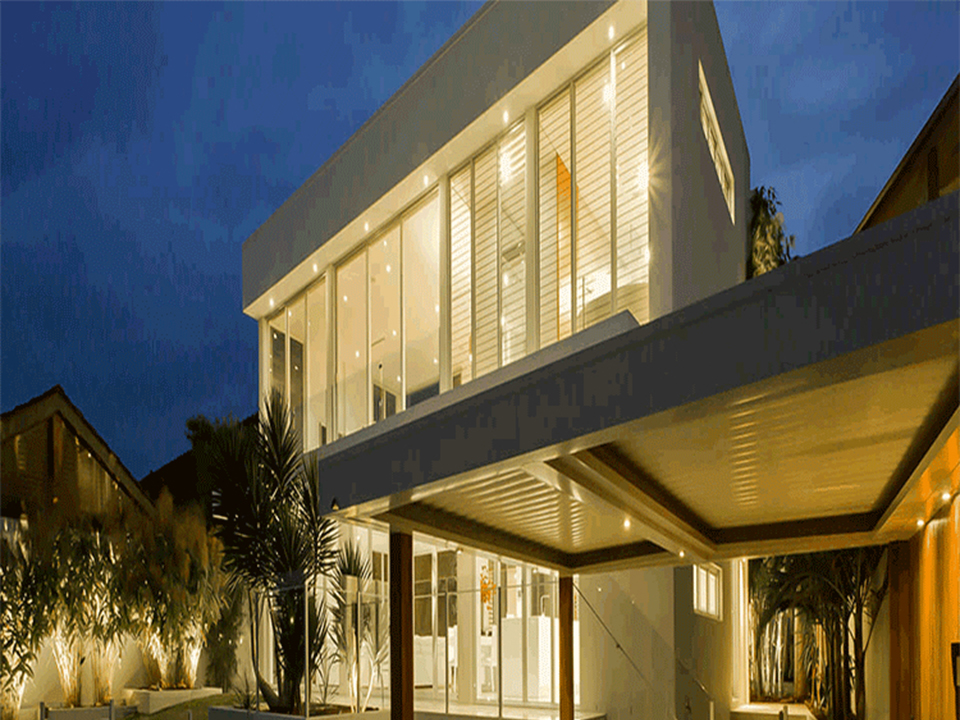
هذا هو المكان electrochromic glass earns its keep. Not because it looks futuristic. Because it tackles a solar-control mess without throwing away the outside view. A 2024 Energies study found that electrochromic glazing with glare control produced the highest energy savings for west orientation—14% to 36%—and maintained useful illuminance during 74% to 80% of working hours. That’s not brochure copy. That’s a real façade-performance answer.
It’s not a privacy trick.
From my experience, this is where non-specialists get lost. They hear “switchable” and think “on/off privacy.” But electrochromic isn’t really a privacy play. It’s a daylight-and-solar-management play. It lives in the world of glare control, cooling load moderation, tint sequencing, occupant comfort, and keeping the view line open while the glass does its job. That’s façade logic, not conference-room logic.
And once the design gets real—meaning someone finally asks about lite size, heat treatment, lead times, edgework, and risk—you’re suddenly in the same conversation as ألواح زجاج مقوى جامبو و زجاج الأبواب والنوافذ المقسّى. That’s how the trade actually works. Performance isn’t just chemistry. It’s fabrication too.
PDLC glass solves the privacy problem
Different beast.
PDLC is where the market gets slippery, because the visual effect looks dramatic and clients love a dramatic demo, but the actual value proposition is much narrower than the sales pitch usually suggests. It’s privacy-first. Mostly.
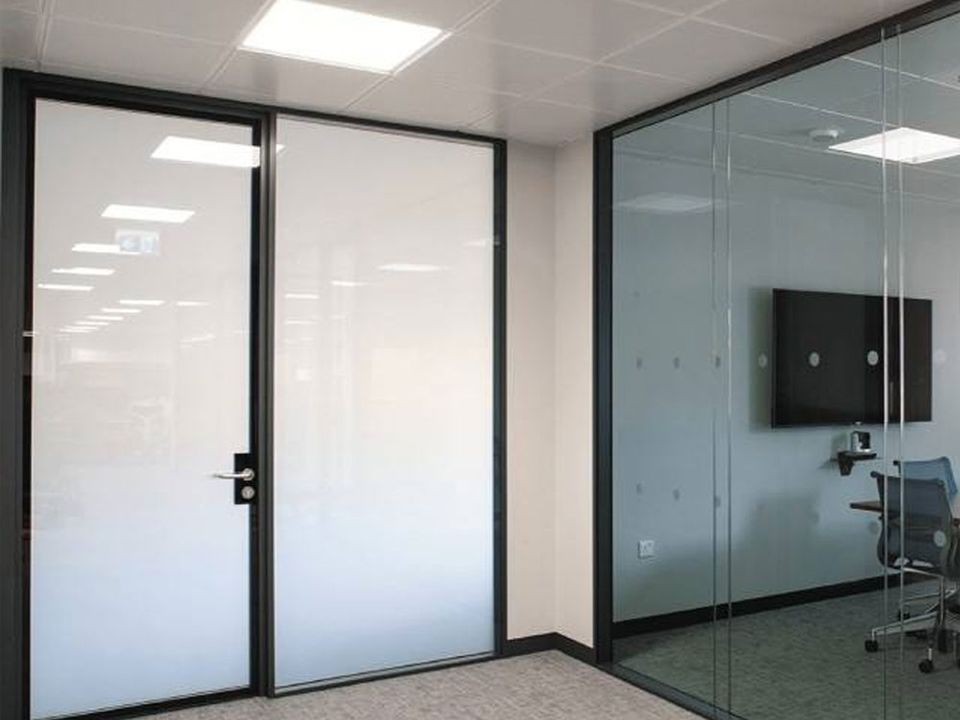
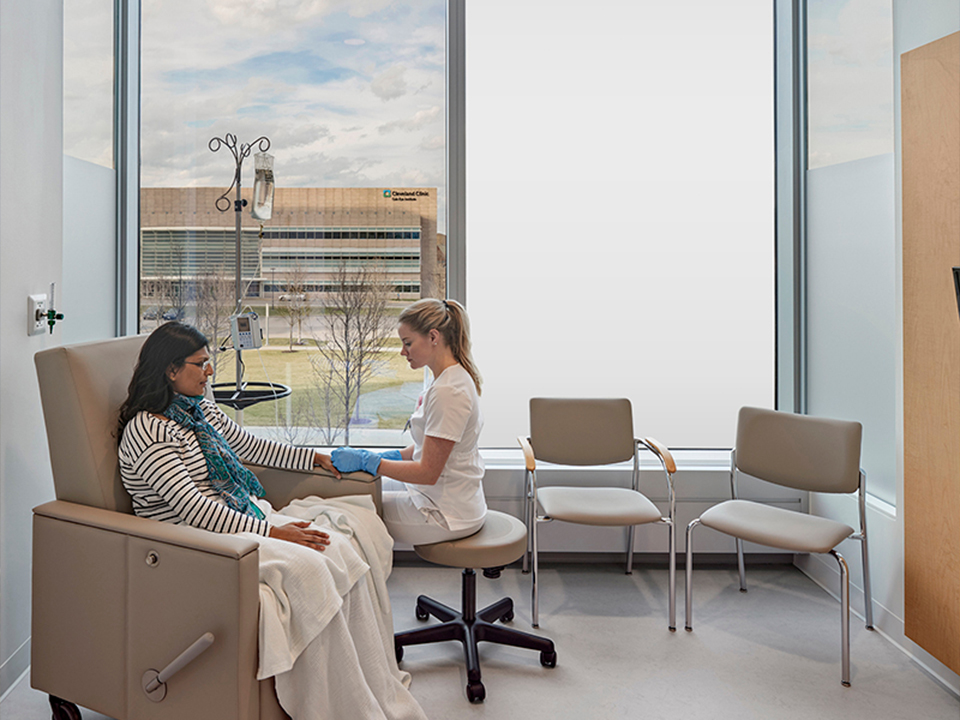
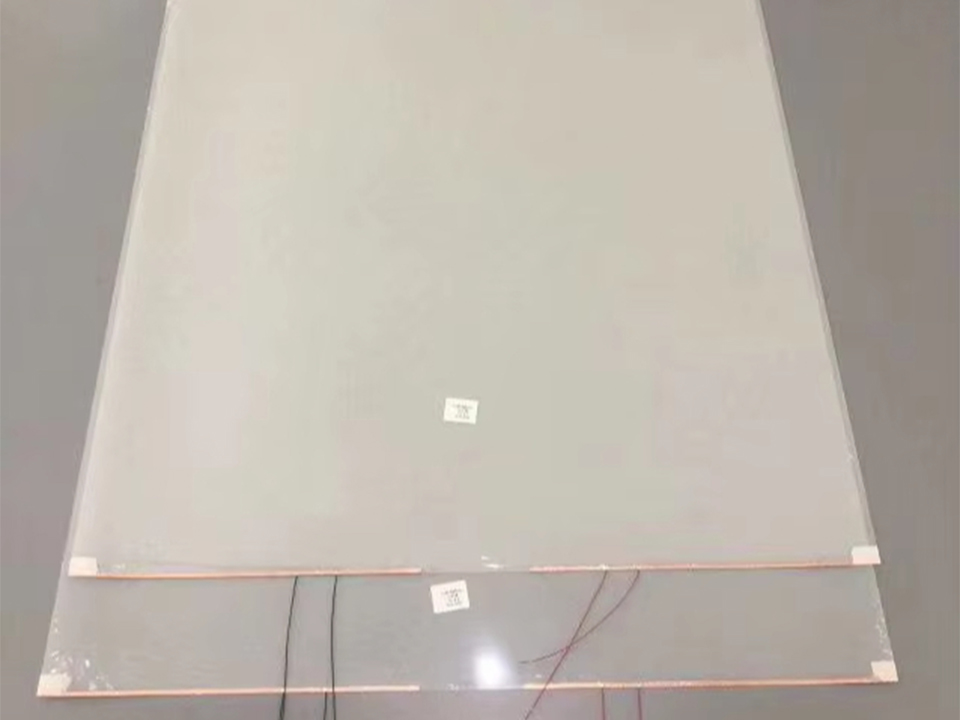
The 2023 Journal of Building Engineering paper says it plainly: polymer-dispersed liquid crystal glazing requires an AC power supply to become transparent and remains opaque without power. That one operating fact tells you almost everything about the right use case—interior partitions, clinics, bathrooms, meeting rooms, hospitality zones, executive spaces where immediate seclusion matters more than nuanced solar modulation.
And yes, PDLC can help thermally when it’s engineered into the right assembly. But here’s where reps get a little cute with the narrative. The same 2023 study showed that PDLC integrated with low-E in a smart double-glazed build-up improved thermal performance by 21% on the south orientation and 25.5% on the west, and when the PDLC layer faced outdoors, heat-gain control improved by 53.9% versus clear glass. Good numbers. Real numbers. But those gains came from a full assembly strategy, not from PDLC acting alone like a miracle laminate.
So yes—PDLC glass for privacy is absolutely a legitimate spec path.
But no—PDLC is not automatically the best answer for exterior energy management just because it switches state.
The industry’s favorite mistake: buying the wrong promise
I’ve seen both versions.
First version: owner wants privacy, somebody specs electrochromic because it sounds more advanced, the renderings look expensive, the architect likes saying “dynamic tint,” and then the users move in and realize gradual tinting is not the same thing as instant seclusion when sensitive conversations are happening. Bad fit.
Second version: team has a real solar-load problem, glare is pounding workstations, HVAC penalties are showing up, and somebody reaches for PDLC because “it goes opaque.” Sure. So does a cheap film. That doesn’t make it a proper façade-control strategy.
And here’s my bias—I’ll own it. For a surprising number of interior privacy jobs, fluted pattern privacy glass is the saner move. Less drama. Less wiring. Less commissioning grief. No transformers hiding in some ceiling pocket waiting to become tomorrow’s service call.
Sometimes the low-tech answer wins. By a mile.
What the data says when you strip the hype away
This table is my shorthand—the version I’d scribble in the margin before a spec meeting gets hijacked by shiny-object syndrome.
Problem in the building
Better fit
Why it wins
What people miss
West façade overheating, glare, high cooling load
Electrochromic glass
Dynamic tinting targets solar gain while preserving view
Control logic matters; bad controls can hurt lighting performance
Instant conference-room privacy
PDLC glass
Fast switch between translucent privacy and transparent state
It is privacy-first, not automatically energy-first
Internal healthcare or executive partitions
PDLC glass
Cleanable, modern privacy without blinds or curtains
Power state and wiring strategy need planning
Exterior curtain wall with occupant comfort complaints
Electrochromic glass
Better answer to glare, daylight balance, and thermal discomfort
Cost only makes sense when the problem is actually façade performance
Budget-conscious privacy upgrade
Patterned or obscure glass
No controls, no power, simpler lifecycle
Designers often skip the cheaper fixed-privacy option
Base envelope upgrade without dynamic controls
وحدة IGU منخفضة الانبعاثات الكهرومغناطيسية
Lower complexity and easier procurement
Many teams jump to smart glass before optimizing the glazing spec
The subtle issue nobody mentions enough: PDLC can create weird glare behavior
This is where things get messy.
A lot of people assume frosted-looking means comfortable-looking. It doesn’t. Light doesn’t behave that politely. A 2023 IBPSA paper found that PDLC has unusual glare characteristics, and that less transmissive states can actually increase glare risk in some situations because the scattering behavior changes the light field rather than neatly shutting the problem down. That’s a very different thing from “privacy solved.”
That matters more than most spec sheets admit. Privacy and visual comfort overlap, sure—but they’re not twins. They’re cousins. If you care about daylight autonomy, beam component, occupant position, glare index, and actual room behavior, you can’t just point at a frosted state and call it a day.
Electrochromic has its own baggage, by the way. Same 2024 Energies paper. Same caution. The researchers found temperature-control logic reduced climatization demand, but it could also push artificial-lighting energy up if the controls were handled badly. So no, there is no miracle pane here. Just better fits. Worse fits. And a lot of oversold systems.
So which smart glass is best?
I don’t love the question.
The better question is meaner—and more useful: what exactly is failing in the building? Solar gain? Glare? Privacy exposure? Tenant flexibility? HVAC sizing? A design concept that wants glass everywhere without accepting the usual penalties glass brings?
If the building is losing a fight with the sun, I’d start with electrochromic glass. If it’s losing a fight with sightlines, I’d start with PDLC glass. And if the budget is already making that wheezing noise budgets make, I’d benchmark both against simpler glazing moves before I signed anything.
Because sometimes “smart” is just a marketing tax.
الأسئلة الشائعة
What is electrochromic glass best for?
Electrochromic glass is a voltage-responsive smart glazing system, commonly built around electrochromic materials such as WO3, that changes tint to reduce solar heat gain, glare, and cooling demand while preserving outward visibility, which makes it best suited to façades, skylights, and perimeter offices rather than instant-privacy interior partitions. After that first definition, the answer gets simpler: it’s for sun management. Not secrecy. And yes, WO3 keeps showing up in the materials stack for a reason.
What is PDLC glass best for?
PDLC glass is a polymer-dispersed liquid crystal glazing system that turns translucent for privacy when unpowered and becomes more transparent when supplied with AC power, which makes it best for interior partitions, conference rooms, healthcare spaces, and bathrooms where immediate visual privacy matters more than gradual façade tinting. That’s the clean answer. My blunter answer? It’s a room-control product, not usually an envelope-first product. The thermal upside can be real, but only when the whole IGU build-up is working with it.
How do I choose between electrochromic and PDLC glass?
Choosing between electrochromic and PDLC glass means matching the technology to the dominant building failure—electrochromic for glare, solar gain, and façade comfort; PDLC for immediate visual privacy and interior flexibility; and neither by default when a simpler low-E, patterned, or tempered glazing assembly already solves the problem without extra controls, wiring, or commissioning risk. From my experience, the wrong decision usually starts with a vague brief. Write the problem down first. Then spec to the problem.
Is PDLC or electrochromic better for energy savings?
For energy savings, electrochromic glass is usually the stronger candidate because it is designed to modulate tint in response to daylight and solar conditions across the envelope, whereas PDLC is primarily a privacy technology that can improve thermal behavior only when it is engineered into the right insulated low-E glazing configuration. Put less politely: electrochromic usually plays offense on the façade; PDLC usually plays defense inside the room.