We are a leading glass manufacturer based in China, specializing in high-quality glass solutions for industrial and architectural applications. With years of experience and ISO certification, we provide fast, tailored quotes and responsive support for procurement professionals, engineers, and project managers worldwide.
Glass Industry Trends & Standards
Stay updated on the latest trends and standards in the glass industry, including new regulations, market shifts, and technological advancements shaping the future.
Premium Quality Assurance
Reliable & Fast Delivery
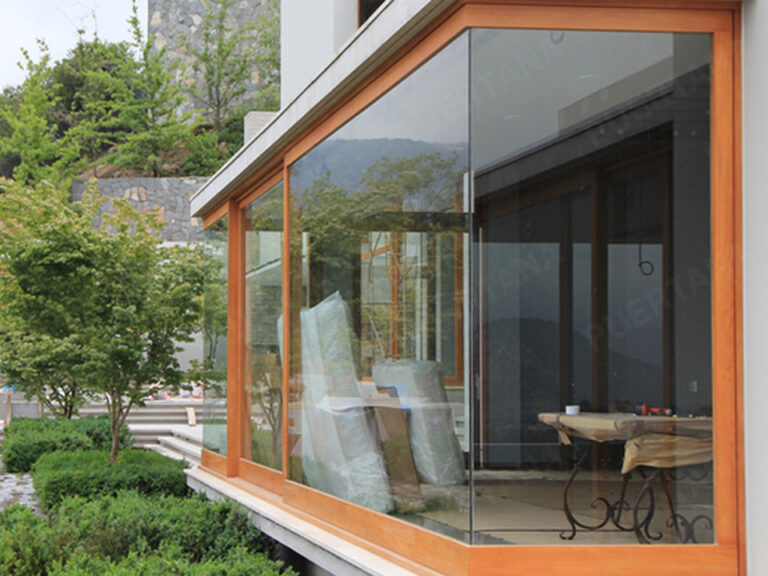
Atypical Glass Geometry: 180-Degree and Angled Butt Joints

Most butt-joint glazing problems are sold as fabrication issues, but I think that is industry theater. The real story is geometry, sealant chemistry, movement tolerance, and the shortcuts nobody wants to admit.
Curved Glass for Curtain Walls: What Buyers Must Know

Most buyers think curved glass is a styling upgrade. I think that is how budgets get burned, lead times get wrecked, and facades get overpromised before anyone has checked radius, yield, or thermal risk. This guide breaks down where curved glass curtain wall deals actually go wrong, what recent 2024 data says about carbon, retrofit economics, and code pressure, and which supplier questions separate adults from brochure merchants.
Safety Glazing Locations Every Commercial Buyer Should Know

Most commercial buyers price glass by square foot and regret it later. This guide shows where safety glazing is actually required, when tempered glass is not enough, and how to buy for code, impact, and fallout retention.
Storefront vs Curtain Wall Steel Reinforcement Guide

Most project teams do not confuse storefront and curtain wall by accident; they do it because budget pressure invites sloppy language. This guide explains where steel reinforcement actually belongs, what current specs and 2024 data say, and why the wrong choice gets expensive fast.
What Changed in ASTM E1300-24 for Commercial Glazing?

ASTM E1300-24 is not a cosmetic update. It changes what commercial glazing teams can safely assume about load resistance, support conditions, and how far old spec habits can be stretched.
Electrochromic vs PDLC Glass: Which Problem Does Each Solve?

Most smart glass articles blur privacy, solar control, and energy performance into one glossy promise. I don’t. This piece separates electrochromic glass from PDLC glass by the actual problem each one solves, with research-backed numbers and hard trade-offs.
Pressure Cap Retrofit Checklist for Commercial Glass Upgrades

Most pressure cap retrofit projects do not fail at the glass. They fail in the survey, the drainage path, the gasket chemistry, and the lazy assumption that a new cap fixes an old wall.
Butt-Glazed Corner Glass: Design Checks That Matter

Butt-glazed corner glass sells transparency, but the failures usually start where drawings get lazy: the edge, the sealant bite, the support assumption, the code trigger nobody checked. I wrote this for people who are tired of pretty renders and want the design checks that survive fabrication, weather, and legal scrutiny.
Visual Quality Standards for Architectural Glass Projects

Perfect glass is a fantasy, and bad specs make it expensive. This piece shows how ASTM rules, façade inspection law, and recent failures actually determine acceptance on architectural glass projects.
Can Low-E and Ceramic Frit Share the Same Lite Safely?

Most glazing teams ask the wrong question. The real issue is not whether Low-E glass and ceramic frit can coexist, but whether they can coexist on the right surfaces, in the right IGU, without blowing up thermal stress, optics, or warranty.
Framing Clearance Rules That Prevent Glass Binding and Breakage

Bad framing does not just look sloppy; it turns minor tolerance errors into cracked lites, callbacks, and replacement bills. This piece breaks down the glass edge clearance numbers, block details, and failure patterns that professionals ignore until the pane explodes.
How to Choose Glass Thickness for Nonstandard Openings

Most buyers ask the wrong question first. This guide explains how to choose glass thickness for custom openings by looking at span, support, code triggers, and the real failure points the industry likes to ignore.