We are a leading glass manufacturer based in China,
Specializing in high-quality glass solutions for industrial and architectural applications.
With years of experience and ISO certification, we provide fast, tailored quotes and responsive support for procurement professionals,engineers, and project managers worldwide.
We are a leading glass manufacturer based in China,
Specializing in high-quality glass solutions for industrial and architectural applications.
With years of experience and ISO certification, we provide fast, tailored quotes and responsive support for procurement professionals,engineers, and project managers worldwide.
Come ottimizzare il carico dei container per il vetro architettonico
È una dura realtà, a prima vista. Il calo delle spedizioni di vetro da costruzione è dovuto ben meno alla “sfortuna” che a una preparazione approssimativa dei lotti nei container, a una scarsa organizzazione degli scaffali, a una distribuzione inadeguata del peso e alla vecchia abitudine delle fabbriche di trattare un container da 20 o 40 piedi come un magazzino dotato di porte. Perché fingere il contrario?
Ho analizzato abbastanza casi di consegna di vetro da poterlo affermare con certezza: il momento più rischioso non è sempre la traversata oceanica. Sono i 40 minuti che precedono la sigillatura, quando un gruppo sotto pressione per rispettare i tempi di produzione decide che si può inserire ancora una gabbia per animali, che si può aggiungere un altro pacco di dimensioni miste, che un altro lato non rinforzato “probabilmente andrà bene”.”
Quella parola fa crollare i margini.
L'ottimizzazione del carico dei container inizia prima ancora che il carrello elevatore entri in azione
L'ottimizzazione del carico dei container per il vetro da costruzione consiste nel definire il tipo di scaffalatura, il peso del carico, l'allineamento del vetro, la sequenza delle casse, il rinforzo, il controllo degli spazi vuoti e l'ordine di scarico, al fine di garantire che i pannelli arrivino a destinazione integri e che lo spazio e la capacità di carico del container siano sfruttati in modo efficiente.
Sembra completamente asciutto. Ma non lo è.
La consegna di vetri per l’edilizia rappresenta una vera e propria prova di resistenza al trasporto. Il vetro di sicurezza, il vetro stratificato, le unità protette, il vetro a strati Low-E, il vetro antiriflesso, il vetro sagomato per docce, i pannelli colorati e i vetri balistici non si comportano allo stesso modo all’interno di un container. Presentano infatti diverse sensibilità dei bordi, rischi legati alla superficie, caratteristiche del baricentro e livelli di esposizione diretta.
Un contenitore può sembrare pieno eppure essere riempito male.
Le fabbriche più efficienti non si chiedono: “Quante gabbie ci stanno?”, ma piuttosto: “Dove si sposta il peso durante le operazioni di arresto, movimentazione, rollio della nave, movimentazione in banchina e scarico finale?”. Questa domanda trasforma l’intero piano.
Smettiamo di trattare il vetro architettonico come una semplice merce
Il vetro è rigido finché non smette di esserlo. A quel punto diventa una prova.
Il trasporto di vetri per l'edilizia presenta un problema particolare: i danni spesso rimangono nascosti fino al momento dell'installazione. Un pannello può superare indenne il trasporto via mare, lo stoccaggio, i controlli doganali e la distribuzione locale, per poi smettere di funzionare in cantiere a causa di microfratture, graffi laterali, deformazioni dovute alla flessione delle scaffalature o carichi puntuali verificatisi settimane prima.
Ecco perché il gruppo addetto al carico dei container deve ragionare come investigatori assicurativi, non come addetti all’imballaggio.
Ad esempio, vetro stratificato antiriflesso su misura Non è necessario imballarlo come se l'unico rischio fosse la rottura. Occorre tenere conto anche dei rischi di abrasione, contaminazione superficiale, formazione di strati tra i pezzi e segni di sfregamento. Il vetro potrebbe tecnicamente arrivare a destinazione “integro” ed essere comunque commercialmente non idoneo.
Lo stesso identico problema si presenta con Vetro Low-E per la fornitura all'ingrosso. Un pannello con rivestimento morbido non è semplicemente una lastra. È una superficie ad alta efficienza in cui le proprietà termiche sono integrate in una superficie delicata. Se la strategia di imballaggio non tiene conto dell’orientamento della finitura e della pulizia dei separatori, il cliente potrebbe trovarsi di fronte a un problema nascosto.
La questione del peso che nessuno vuole affrontare
Ecco la cruda realtà: il peso del vetro è prevedibile, eppure la gente continua a mostrarsi sorpresa.
Il vetro sodico-calcico Criterion ha una densità di circa 2,5 kg per metro quadrato per millimetro. Pertanto, un pannello da 10 mm pesa circa 25 kg per metro quadrato. Un pannello laminato con più strati, un intercalare e dimensioni fuori misura può trasformare una cassa “maneggevole” in un oggetto che comporta un rischio per il carrello elevatore in pochissimo tempo.
È qui che la pianificazione dei lotti di container entra nel vivo.
Non caricare in base all’aspetto estetico. Carica seguendo la logica degli assi, tenendo conto del carico sui ripiani e della capacità di carico del container. Posiziona le casse pesanti in basso. Mantieni il peso al centro. Evita di riempire una parete spessa di vetro su un solo lato e di illuderti che il materiale di riempimento risolverà sicuramente il problema.
Non succederà.
Un container con uno squilibrio laterale crea problemi durante il trasporto su gomma nell’entroterra, nonché durante le operazioni di sollevamento e scarico. E non appena il carico inizia a muoversi, ogni cinghia, cuneo e puntello in legno massiccio diventa testimone del fallimento della preparazione iniziale.
Caricamento dei contenitori in vetro: usa il rack giusto o ne pagherai le conseguenze
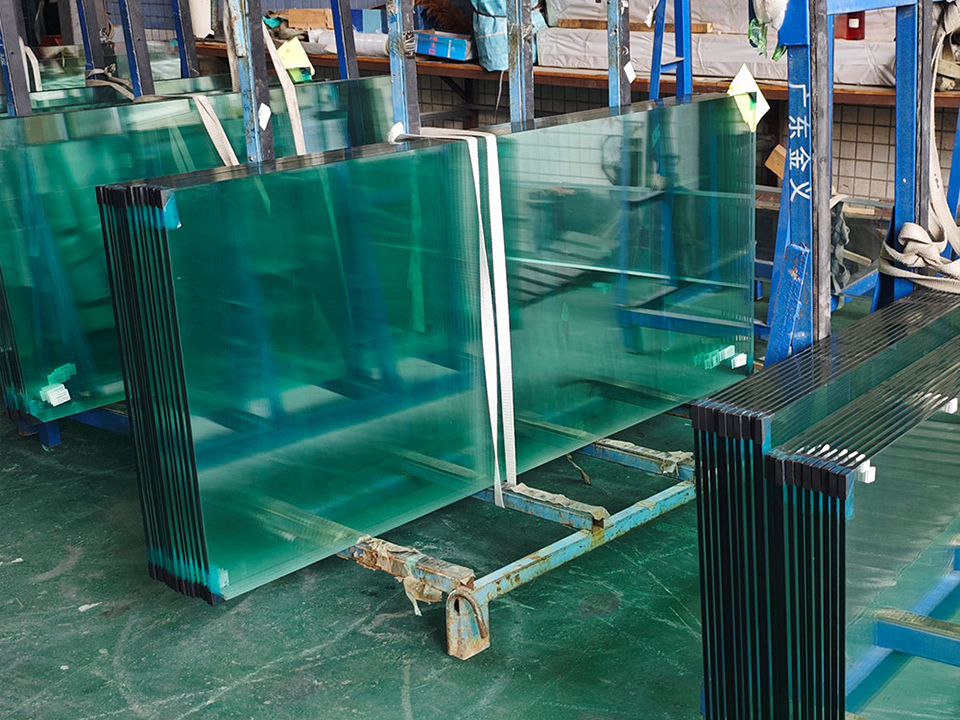
I rack in vetro per lo stoccaggio in vista della spedizione non sono semplici dispositivi. Sono scelte strutturali.
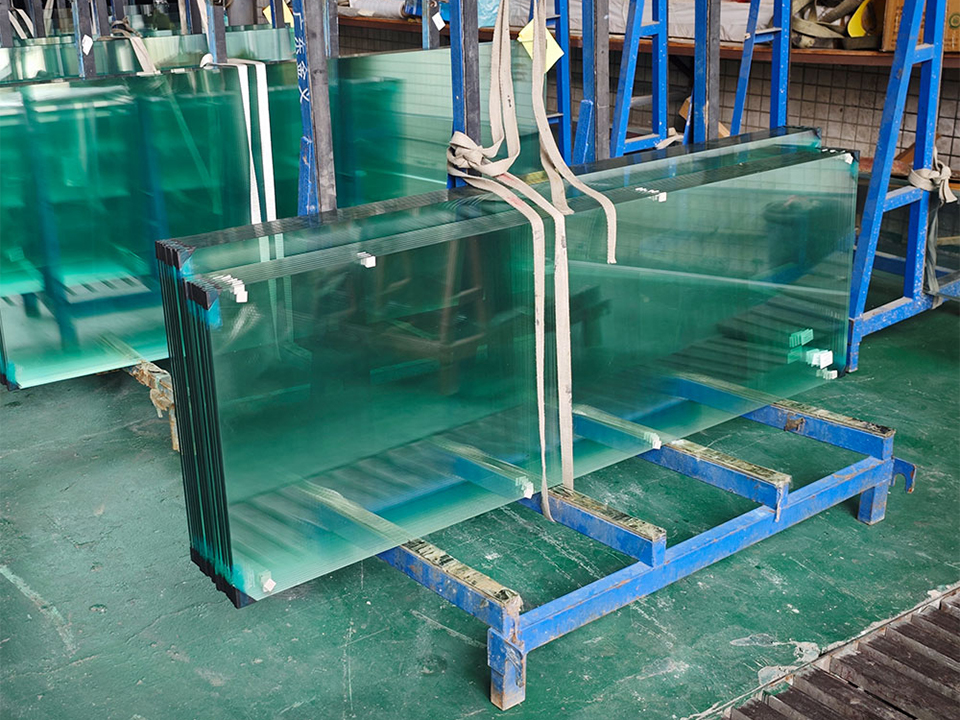
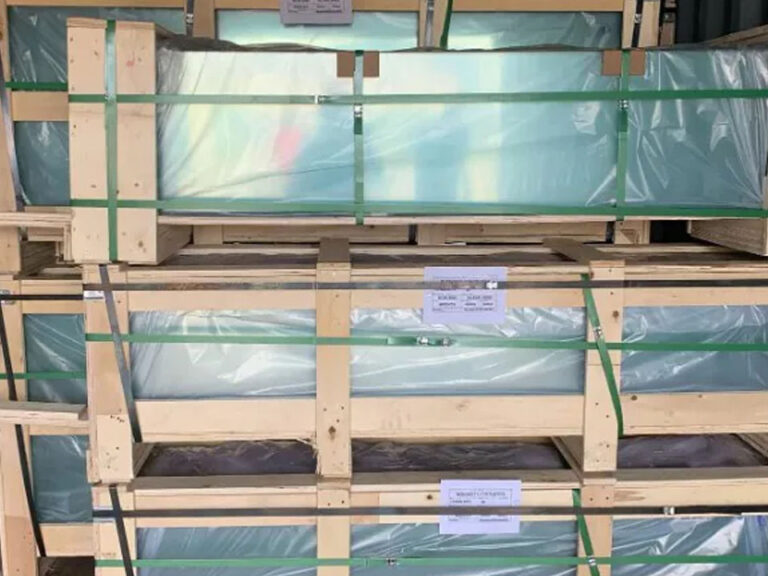
I rack a forma di A sono i più diffusi perché consentono di distribuire i pannelli su entrambi i lati e supportano lo stoccaggio inclinato. I rack a L possono rivelarsi utili per determinate operazioni relative al vetro piano, specialmente quando lo richiedono le esigenze di accesso al carico o la composizione degli articoli. Le gabbie in legno per animali domestici possono essere ottime, ma solo se la rigidità, l’altezza libera dalla base, la protezione dei bordi e il design per l’inserimento delle forche sono progettati in modo adeguato.
Gli scaffali economici sono costosi.
Per oggetti laminati di grandi dimensioni come fornitura di massa di pannelli in vetro balistico, l’opzione dello scaffale diventa ancora meno tollerante. Il vetro balistico è spesso, molto spesso, e in genere è stratificato in configurazioni che non perdonano eventuali difetti di montaggio. Se un fornitore lo installa come se fosse un vetro decorativo per doccia, qualcuno sta rischiando il valore di cinque carichi.
E per vetro intelligente per doccia con funzione di privacy regolabile, il rischio non riguarda solo gli urti. Le zone dei circuiti, le sbarre collettrici, gli strati di pellicola, la protezione dall’umidità e la sigillatura laterale richiedono particolare attenzione durante l’imballaggio e la movimentazione dei contenitori.
Quindi rivolgi al distributore una richiesta un po“ scortese: ”Programmi per me la progettazione dello scaffale e la stima del carico».”
Se schivano, hai la tua risposta.
Come fissare saldamente i vetri di un edificio senza perdere spazio
La sequenza corretta è poco interessante, rigorosa e gratificante.
Per prima cosa, identificare il carico in base al tipo di vetro, alla densità, alle dimensioni, alla sensibilità alla copertura, al peso delle gabbie per cani e al rischio di ribaltamento. Quindi assegnare i ripiani. Successivamente, tracciare la pianta del pavimento del container. Solo dopo si potrà utilizzare il carrello elevatore.
Mi piace un progetto di coltivazione in vaso a quattro zone:
Area di carico
Cosa c'è lì?
Minaccia principale
Miglior controllo
Linea centrale del pavimento
Casse più pesanti e sistemi laminati
Squilibrio laterale
Mantenere la massa concentrata e bassa
Zone laterali
Ripiani di peso medio con geometria stabile
Pressione sul fianco e inclinazione del ripiano
Utilizzare le manovre di arresto, di sostegno e di spazio libero
Zona all’estremità della porta
Merci scaricate per ultime o pronte per l'ispezione
Pressione sulla porta e movimenti imprevisti
Includere etichette di limitazione e di avviso alle estremità delle porte
Aree spaziali
Spazi vuoti tra le casse o gli scaffali
Modifica del carico durante il trasporto
Carico di legname duro, airbag, cunei o materiale di stivaggio artigianale
Non usare mai scarti di legno a caso come “supporto”. Gli scarti di legno non sono affidabili.
Quando si imballano articoli misti come vetro per doccia sagomato su misura e vetro colorato per box doccia all'ingrosso, garantire la tracciabilità di superfici, tonalità e dimensioni. L’obiettivo non è solo garantire un arrivo in sicurezza. L’obiettivo è effettuare uno scarico rapido e ordinato senza trasformare il magazzino di destinazione in una sorta di gara di ingombro.
La trappola dell’area dei container: “Pieno” non significa “massimizzato”
Un container 100% stipato all’inverosimile può essere un container mal ottimizzato.
Ottimizzare lo spazio all’interno dei container significa sfruttare appieno il valore funzionale offerto, non il volume. Non mi interessa se un distributore sostiene di aver migliorato l’imballaggio del 12% se aumentano le richieste di risarcimento per danni, lo scarico richiede il doppio del tempo o gli installatori rifiutano i pannelli danneggiati.
Quella è una falsa efficienza.
Un indicatore chiave di prestazione (KPI) ben più efficace potrebbe essere il seguente:
Metrico
Azioni scorrette da parte della fabbrica
Procedure di produzione ottimizzate
Utilizzo dell'area
Percentuale di riempimento cubico
Valore del vetro consegnato per container
Velocità di imballaggio
Tempo necessario per mettere in sicurezza il container
Carico senza danni più documentazione fotografica
Opzione ripiano
Costo del rack più conveniente
Costi di magazzino rispetto all'esposizione diretta al rischio di sinistro assicurativo
A sostegno di
“Sembra limitato”
È stato confermato l'assenza di movimenti in avanti, laterali o verticali
Documenti
Elenco dei componenti della confezione:
Immagini, mappa delle casse, pesi, codici identificativi delle rastrelliere, numero di sigillo
Richieste di risarcimento assicurativo
Condannare il fornitore del servizio
Collegare la decisione di riempimento al modello di danneggiamento
Le fabbriche che hanno successo nel lungo periodo non festeggiano quando riescono a infilare un’altra cassa in più. Festeggiano quando, dopo 45 giorni, non ricevono nemmeno una e-mail relativa a un caso di difetto.
La preparazione del carico del container deve comprendere lo scarico, non solo l'esportazione
Questo è l'elemento che gli esportatori tendono a trascurare.
Un container viene caricato una sola volta, ma scaricato in condizioni completamente diverse: carrelli elevatori diversi, diverse altezze delle banchine, diversa qualità della manodopera, condizioni meteorologiche diverse, diversi livelli di rigore, lingue diverse, illuminazione diversa. Allora perché elaborare una strategia di riempimento che funzioni solo nello stabilimento di origine?
È così che il vetro si rompe sul posto.
Una buona pianificazione dei lotti di container prevede una mappa visibile delle casse, la sequenza di scarico, le avvertenze relative al baricentro, le etichette con la dicitura “aprire la porta lentamente” e le foto di ogni area rinforzata prima della sigillatura. Per i carichi di alto valore, preferisco vedere 10 immagini di scarsa qualità piuttosto che un’e-mail che trasmetta sicurezza.
E, in effetti, il destinatario deve capire quale scaffale viene estratto per primo.
I documenti che conservano i casi
La documentazione non protegge il vetro. Garantisce l'adempimento degli obblighi.
Per la spedizione di vetro per l'architettura, desidero che le seguenti informazioni siano riportate su ogni documento di trasporto:
Documento
Perché è importante
Rappresentazione dell'imballaggio in container
Indica la posizione, l'orientamento e l'ordine di scarico delle gabbie per animali domestici
Elenco dei pesi per cassa
Verifica la preparazione del bilanciamento e del carico utile
Caricamento preliminare delle immagini di valutazione dei container
Dimostra la presenza di problemi relativi al pavimento, alle pareti e alla copertura del container
Foto della mensola e della gabbia per animali domestici prima del carico
Problema relativo all'imballaggio dei dischi
Immagini illustrative dopo il riempimento
Segnala l'attivazione della modalità di limitazione prima della chiusura della porta
Lista di controllo degli articoli in base al numero della gabbia per animali domestici
Riduce gli errori nella gestione delle posizioni
Foto del numero di sigillo
Conferma il controllo della catena di custodia
Niente immagini, niente compassione.
Se un distributore spedisce vetri coperti di alto valore, pannelli laminati o vetri intelligenti senza una prova documentale del problema di riempimento, sta chiedendo al cliente di affidarsi alla memoria. La memoria non è un sistema logistico.
La politica di The Insider: un valore fragile diverso da un valore elevato
Non tutti i vetri costosi sono pesanti. Allo stesso modo, non tutti i vetri pesanti sono fragili.
Questa distinzione è un problema.
Il vetro antiproiettile potrebbe richiedere rack più resistenti e una disposizione ridotta a causa della sua massa. Il vetro stratificato antiriflesso potrebbe richiedere separatori più puliti e l’assenza di sfregamento superficiale. Il vetro Low-E potrebbe richiedere un controllo autonomo sul lato del rivestimento. Il vetro intelligente potrebbe richiedere una protezione dei bordi e del cablaggio elettrico. Il vetro sagomato potrebbe richiedere controlli rivolti verso la superficie. Il vetro colorato per docce potrebbe richiedere la tracciabilità della tonalità e del lotto.
In altre parole: non raggruppare le merci solo in base alle dimensioni.
Raggruppali in base alla modalità di guasto.
Il fatto che una persona cambi approccio migliora il processo di riempimento dei contenitori in vetro più di molte demo di software per l“”ottimizzazione dello spazio” che vedo in vendita alle piccole e medie fabbriche.
Errori comuni che minano silenziosamente il margine
Gli errori più gravi sono quelli più comuni.
I gruppi sovraccaricano un’estremità del container. Uniscono le altezze delle scaffalature senza bloccarle. Lasciano spazi vuoti vicino alla porta. Permettono alle forche dei carrelli elevatori di urtare le basi delle gabbie per cani. Utilizzano legname sottile anziché strutture robuste. Trascurano la protezione dall’umidità. Si affidano alle cinghie senza verificare l’angolazione e la resistenza di sostegno. Caricano le merci “first-in-needed” nella parte anteriore del container.
E poi tutti si fingono sorpresi quando l'acquirente si lamenta.
Ecco il punto su cui non ho intenzione di transigere: la maggior parte degli errori nel carico dei container è dovuta a carenze nel monitoraggio. Non a errori dei dipendenti. Se il gruppo non dispone di una mappa di carico, di criteri per la disposizione sui rack, di un elenco illustrativo e non ha l’autorità di rifiutare il carico in caso di non conformità del container, il danno era già stato fatto prima ancora che arrivasse il carrello elevatore.
FAQ
Che cos’è l’ottimizzazione del carico dei container per il vetro architettonico?
L'ottimizzazione del carico dei container per il vetro da costruzione comporta la pianificazione della configurazione del container, del sistema di scaffalature, della distribuzione del peso, delle modalità di sostegno, della sequenza di carico e dell'ordine di scarico, in modo che i pannelli di vetro sfruttino lo spazio del container in modo efficiente, riducendo al contempo i danni, i danni alle finiture, la pressione sui bordi, la movimentazione del carico e gli errori di movimentazione in loco.
Non si tratta semplicemente di “inserire più vetro”. Questo modo di pensare porta a formulare affermazioni. Una vera ottimizzazione tutela il valore commerciale di ogni pannello all’interno del container.
In che modo va imballato il vetro per l'architettura in un container?
Il vetro da costruzione deve essere stivato in posizione verticale o quasi verticale su scaffali appositamente realizzati, con le gabbie pesanti per animali posizionate in basso e raggruppate, gli spazi riempiti, il passaggio libero ovunque e le diverse tipologie di prodotto separate in base al peso, alla sensibilità agli urti, alle dimensioni e alle priorità di scarico.
La regola di base è questa: il vetro non deve flettersi, sfregare, scivolare, inclinarsi in modo imprevedibile né essere lasciato al caso. Utilizzate la geometria delle rastrelliere, le barre di legno, le fasce, i cunei, il materiale di riempimento e la documentazione relativa alle opere d’arte.
Qual è il ripiano più adatto per caricare contenitori di vetro?
Il ripiano più efficace per il carico di contenitori in vetro è quello che tiene conto del peso del vetro, delle dimensioni dei pannelli, del tragitto di trasporto, del metodo di scarico e del rischio di rottura; le opzioni più comuni comprendono scaffali a forma di A, scaffali a forma di L, pallet in acciaio e casse di legno rinforzate.
Per i pannelli laminati spessi o balistici, preferisco strutture ingegnerizzate più resistenti. Per il vetro stratificato o decorativo, attribuisco altrettanta importanza alla qualità dei separatori e alla sicurezza delle superfici.
In che modo, esattamente, i distributori possono ottimizzare lo spazio all’interno dei container di spedizione senza aumentare il rischio di rottura?
I distributori possono ottimizzare lo spazio all’interno dei container senza aumentare il rischio di danni, calcolando prima il peso e poi il volume, e utilizzando schemi di stivaggio, strutture di stoccaggio stabili, separatori puliti, un controllo rigoroso dello spazio e un sistema di sostegno documentato, anziché limitarsi ad aggiungere semplicemente altri pannelli.
Il risultato migliore non è il container più grande. Il risultato migliore in assoluto è il massimo valore fornito con il minor numero di reclami assicurativi, lo scarico più rapido e il documento di ispezione più accurato.
Quali documenti dovrebbero richiedere i clienti prima della consegna dei vetri?
Prima della consegna del vetro architettonico, gli acquirenti devono richiedere un elenco degli imballaggi, un elenco dei pesi delle gabbie per cani, una pianta di carico del container, foto di valutazione pre-carico, immagini delle rastrelliere, immagini dei rinforzi, una foto del numero di sigillo e una ripartizione dei prodotti per gabbia.
Questa documentazione trasforma una promessa di spedizione poco chiara in una prova concreta. Se in seguito dovessero emergere dei danni, il cliente potrà stabilire se il problema sia da ricondurre alla produzione, all’imballaggio, al trasporto terrestre, al trasporto marittimo o allo scarico.
Conclusione: puntare sulla certezza, non sulla speranza
L'ottimizzazione del carico dei container non è una semplice pratica di magazzino. È ingegneria della sicurezza.
Se acquistate vetri per l'edilizia all'ingrosso, chiedete ai fornitori come intendono gestire la scelta dei ripiani, il bilanciamento del peso, il rinforzo, la documentazione e la sequenza di scarico prima ancora di chiedere quanti metri quadrati entrano in un container. Un piano di carico poco efficiente può vanificare i risparmi derivanti da un costo unitario conveniente.
Allora fai in modo che il distributore sveli il metodo.
Per progetti all’ingrosso relativi a vetri da costruzione che prevedono l’uso di vetri stratificati, vetri per docce, vetri intelligenti, vetri Low-E o pannelli balistici, contattare il fornitore indicando le dimensioni, gli spessori, il porto di destinazione, le modalità di scarico e i requisiti di imballaggio prima dell’inizio della produzione. Il container più sicuro viene progettato prima del carico del vetro.