Siamo un’azienda leader nella produzione di vetro con sede in Cina,
Specializzati in soluzioni in vetro di alta qualità per applicazioni industriali e architettoniche.
Grazie alla nostra pluriennale esperienza e alla certificazione ISO, forniamo preventivi rapidi e personalizzati e un’assistenza tempestiva a professionisti degli acquisti, ingegneri e project manager in tutto il mondo.
Argon Retention in IGUs: Energy, Testing, and Warranty Risk Guide
An insulated glass device (IGU) can look perfectly clear, remain devoid of inner condensation, and still experience a modification in gas focus that influences its thermal performance, specifically when the edge-seal system, making process, or setup problems endanger long-lasting gas retention.
That produces an uneasy inquiry for suppliers, polishing specialists, specifiers, and structure proprietors: When an argon-filled unit underperforms, that can actually show why?
I think this is where the industry requires a lot more sincerity. Argon-filled glazing is regularly reviewed as an energy-efficiency function, but the industrial worth of that attribute relies on manufacturing quality, quantifiable performance, and the conditions connected to the service warranty. A requirements that determines a preliminary gas-fill portion without attending to retention testing is just informing component of the tale.
What Argon Gas in Insulated Glass Units Really Does
Argon (Ar) is an anemic, inert gas utilized between glass panes to decrease warmth transfer with the cavity. Compared to ordinary air, argon has lower thermal conductivity under normal glazing conditions, making it valuable in dual- and triple-glazed assemblies.
The advantage is real. But it is not magic.
The U.S. Department of Energy clarifies that shielded glazing, low-emissivity coverings, and gas loads interact to improve window thermal efficiency. These parts should be assessed as a system rather than as independent selling factors.
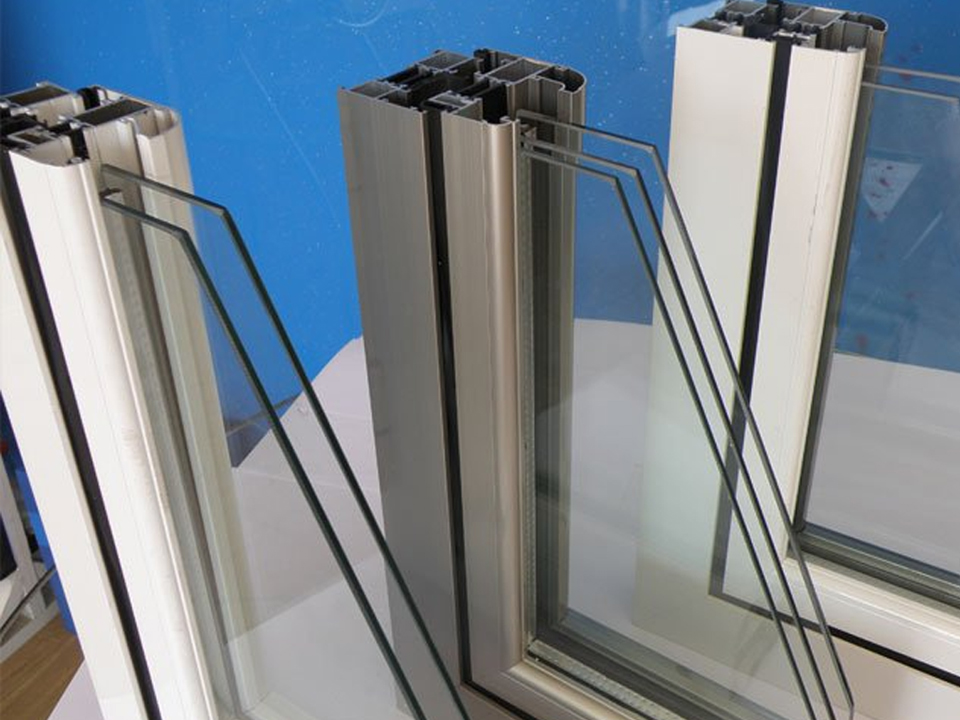
An argon-filled IGU typically combines numerous elements:
Two or 3 panes of glass.
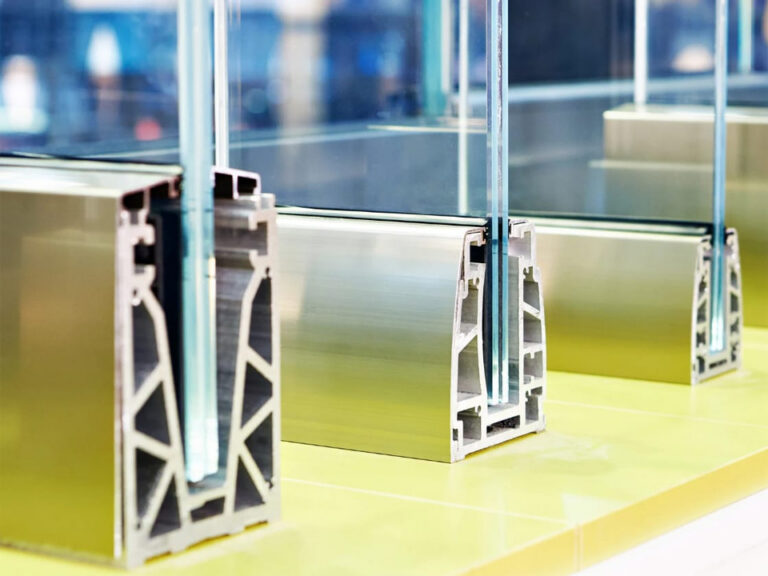
A spacer system that establishes the dental caries size.
Main and secondary edge seals, depending on the style.
An argon-filled dental caries, usually created around a nominal focus near 90%.
Optional low-E layers that minimize radiative warmth transfer.
That 90% figure is an usual spec target, not an universal need for each IGU. Real requirements depend on the item layout, appropriate criteria, and job specification.
The distinction issues due to the fact that argon gas fill portion and thermal efficiency relate, yet they are not interchangeable measurements. A window’s overall U-factor also mirrors the glass configuration, coverings, spacers, structure, and other design variables.
For projects using specialized glazing, the larger product specification matters too. As an example, manufacturers sourcing custom-sized bulk Low-E glass ought to coordinate coating efficiency and glass setup with the designated IGU layout instead of dealing with the gas fill as a standalone upgrade.
Argon Gas Retention in Double Glazing: Where the Risk Starts
The edge seal is the weak link to view.
An IGU’s ability to retain argon depends greatly on the stability of its sealing system, since gas exchange can happen when the obstacle system allows diffusion or creates problems that boost leak.
So why do some units lose gas while others remain stable for many years?
There is no single response. Sealer formula, manufacturing uniformity, glass-edge prep work, spacer layout, environmental direct exposure, and mechanical anxieties can all affect durability. Transportation, installment, and framework motion might additionally add to stress and anxieties on the unit.
3 differences deserve making.
First, steady diffusion is not the like seal failing. Some gas exchange may take place in time even in correctly manufactured systems. An obvious loss, nevertheless, might show a trouble that requires examination.
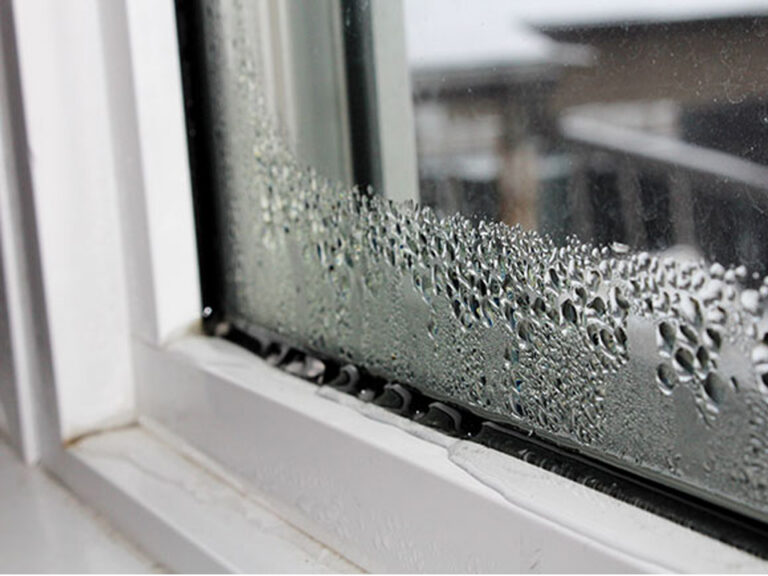
Second, noticeable fogging is not a gas-concentration meter. Condensation in between panes is a solid indication of an insulating-glass resilience issue, however the lack of fogging does not develop that the initial argon concentration has been preserved.
Third, a failed seal does not immediately recognize the accountable party. Production issues, managing damages, installation stresses, and style problems have to be examined against the offered evidence.
In my view, the market’s blunder is to fall down these different failure mechanisms into a solitary unclear expression: “the window has stopped working.” That description might be useful in a solution ticket, yet it is insufficient for a technological investigation or service warranty claim.
Just How Argon Loss Impacts Power Effectiveness
Gas loss can matter. The monetary effect relies on how much gas is lost, the original tooth cavity setup, and the efficiency of the total home window setting up.
Argon minimizes conductive warmth transfer with the glazing dental caries. As the dental caries structure changes, the thermal payment of the gas fill can transform too. However, the size of that result can not be reliably computed from gas focus alone without extra product-specific information.
The U.S. Department of Power’s advice on home window innovations compares the contributions of gas fills and low-E coatings. The former helps reduce warmth transfer via the tooth cavity, while the latter controls radiative warm transfer.
That distinction is commercially important.
A system with an efficient low-E finishing may maintain several of its thermal benefits also if its argon focus declines. Conversely, a system with a high preliminary argon focus can still deliver disappointing total performance if its framework, spacer, finish, or installation is badly made.
The right question is not just whether the tooth cavity contains argon. It is whether the full window meets the required thermal-performance specification throughout its intended life span.
The distinction between gas concentration and U-factor
Gas focus explains the proportion of argon in the dental caries. U-factor explains the rate of warmth transfer with a defined product or setting up; reduced worths show better protecting efficiency under the pertinent test problems.
A gas analyzer can not independently establish a window’s U-factor. Furthermore, a thermal-performance rating can not instantly verify that the initial argon focus stays unchanged.
For project teams, these are complementary measurements, not substitutes.
How to Evaluate Argon Gas Concentration in Windows
Evaluating need to address a specified inquiry.
Are we checking the preliminary manufacturing fill, examining a presumed leak, examining a field-installed system, or documenting compliance with a legal demand? Each function can call for a different sampling plan and evidentiary standard.
The complying with methods should be distinguished.
1. Non-destructive gas evaluation
Specialized instruments can approximate the argon concentration inside compatible IGUs without removing the glass or opening the side seal. Relying on the tool and glazing arrangement, measurement may rely upon optical or other gas-analysis methods.
Before accepting a result, verify the tool’s compatibility with the glass construction, its calibration standing, the maker’s dimension limitations, and the repeatability of the readings.
A solitary analysis should not be treated as conclusive evidence of long-lasting retention.
2. Gas chromatography
Gas chromatography can figure out gas composition in an ideal example. ASTM E2269 attends to the resolution of argon concentration in secured insulating glass devices using gas chromatography.
This method can give helpful research laboratory evidence, however tasting may be destructive or otherwise need access to the cavity. The tasting procedure and chain of protection as a result issue, especially when results might be used in a dispute.
3. Resilience testing
ASTM E2190 deals with the performance and evaluation of insulating glass devices, consisting of durability-related credentials requirements and argon retention for gas-filled samplings.
Its relationship with ASTM E2188 is particularly appropriate: E2190 identifies preserving defined argon amounts before and after evaluating under E2188 as part of the qualification of argon-filled specimens.
These are qualification and durability-testing structures. They ought to not be misrepresented as an assurance that every private unit will certainly preserve an identical gas concentration for its entire life span.
4. Thermal-performance screening
Thermal testing assesses heat-transfer efficiency instead of straight measuring gas focus. It can help develop whether a setting up satisfies its defined thermal demands, but it does not always identify the source of an underperforming outcome.
For a defensible investigation, incorporate the suitable gas-concentration measurements with item paperwork, visual inspection, and thermal-performance evidence where required.
Argon Retention Testing: Contrasting the Key Techniques
Approach
Main purpose
Main constraint
Best application
Non-destructive gas analysis
Quote dental caries argon concentration
Tool and glazing compatibility
Field inspections and manufacturing checks
Gas chromatography
Figure out gas make-up
Sampling might need dental caries access
Laboratory investigations
ASTM E2188 and E2190 screening
Evaluate specified longevity and retention standards
Credentials is not a life time warranty
Product certification and quality control
Thermal-performance testing
Procedure heat-transfer performance
Does not individually confirm gas concentration
Energy-performance verification
Aesthetic assessment
Determine fogging, damages, or visible issues
Can not evaluate argon concentration
Initial screening and problem paperwork
The most effective approach depends upon the insurance claim being investigated. A structure proprietor testing an energy-performance pledge requires various proof from a manufacturer performing regular manufacturing quality assurance.
Argon Gas Fill Up Percentage and Thermal Efficiency: What Should Customers Specify?
Define measurable approval requirements.
An order that merely says “argon-filled IGU” leaves important inquiries unanswered. It does not always specify the needed preliminary focus, the tasting treatment, the test technique, or the problems under which a device will certainly be thought about nonconforming.
For a commercial or institutional job, I would desire the spec to deal with the following:
First gas concentration: State the needed nominal concentration and the permitted tolerance, where suitable.
Dimension technique: Determine the accepted method, tool demands, and tasting conditions.
Testing strategy: Define the variety of systems examined, sample choice, and treatment of stopped working outcomes.
Durability credentials: Identify the suitable item criterion and required certification evidence.
Thermal efficiency: Define the required U-factor and the appropriate rating or test basis.
Documents: Need deducible manufacturing documents, test reports, and recognition of the pertinent product set.
Guarantee terms: Specify the covered defect, insurance claim treatment, exclusions, remedies, and any type of suitable performance thresholds.
There is no responsible global percentage or failure threshold that can be put on every IGU no matter layout and agreement. The approval standard should be tied to the actual spec and applicable standard.
This comes to be especially important when various glass buildings are being obtained for the exact same job. Decorative or specialty items, such as formed shielded glass devices for attractive applications, still call for appropriate sychronisation between look, setup, and the intended performance requirements.
IGU Guarantee Risk: What the Small Print Can Hide
A service warranty is only as helpful as its definitions.
When argon retention becomes a disputed problem, the central inquiry is typically whether the service warranty covers gas loss itself, a manufacturing defect that creates gas loss, noticeable insulating-glass failing, or only a narrower collection of specifically specified problems.
Those groups are not always equivalent.
A warranty could cover interior fogging while saying little concerning quantifiable gas concentration. Another may offer a replacement remedy for a certifying seal failure without assuring that the preliminary argon percentage will continue to be unchanged throughout the service warranty duration.
Neither arrangement must be thought to use globally. The actual contract controls.
The five concerns I would ask prior to signing
Does the service warranty clearly address argon retention, or insulating-glass seal failure?
Is a minimal gas focus specified at manufacture, at inspection, or at one more specified factor?
Which testing methods and labs are acceptable for an insurance claim?
Who spends for access, elimination, screening, shipping, and substitute if a flaw is disputed?
Does the solution cover only the glass system, or also linked labor and substantial expenses?
The fourth concern is often forgotten. Also when a producer consents to replace defective glass, the cost of getting rid of glazing grains, organizing accessibility tools, transferring replacement devices, and reinstalling the product can be considerable.
For curtain-wall projects, this exposure can become specifically significant because replacement might involve access restrictions, professional labor, and control with surrounding building systems. Requirements for personalized curtain-wall laminated safety glass need to consequently be assessed together with the IGU guarantee, setup obligations, and project-specific efficiency requirements.
A Practical Examination Method for Suspected Argon Gas Loss
When an unit is suspected of losing argon, begin with evidence as opposed to presumptions.
Step 1: Develop the standard. Acquire the original IGU specification, production date, small gas focus, applicable item criteria, and readily available manufacturing facility test records.
Action 2: File the set up condition. Record the unit identification, location, alignment, visible flaws, condensation, and any type of evidence of influence or setup damages. Photo the appropriate areas prior to interrupting the assembly.
Action 3: Choose a proper test. Utilize a compatible, adjusted instrument for non-destructive dimension where feasible. If the result may sustain a formal case, document the method, tool, calibration status, dimension problems, and repeat analyses.
Step 4: Contrast results with the real acceptance criteria. Do not substitute an assumed industry percentage for the legal requirement. If the requirements is silent, the parties may need an agreed technological evaluation prior to determining whether a breach took place.
Step 5: Examine the reason. Testimonial the spacer and edge-seal system, manufacturing records, setup information, handling background, and environmental direct exposure. Gas focus alone might not develop the failing system.
Action 6: Preserve the proof. Maintain examination records, pictures, correspondence, sample identifiers, and chain-of-custody documents where appropriate. Settle on destructive testing prior to lugging it out if doing so could influence a warranty insurance claim.
The purpose is not to confirm that a particular celebration is at mistake. It is to divide a measurable inconsistency from a defensible description of its reason.
What the Evidence Really Sustains
Two well established technical references provide a beneficial starting point.
The U.S. Division of Energy’s guidance on home window modern technologies clarifies exactly how gas loads, protected glazing, and low-E layers add to thermal performance. It supports evaluating argon as one component of a bigger home window system rather than treating it as a standalone assurance of energy savings.
ASTM E2190-19, Criterion Specification for Insulating Glass Unit Efficiency and Assessment, identifies sturdiness qualification standards and references argon retention prior to and after testing under ASTM E2188. ASTM’s released summary additionally makes clear that credentials does not cover every physical property or develop viability for every architectural application.
The constraint is necessary: these recommendations establish technical principles and testing structures, not a global field failing price or a guaranteed service-life percentage for argon retention.
I would be cynical of any distributor asserting a precise long-term gas-loss price without determining the item building and construction, examination method, observation duration, and underlying data. A number without those information is advertising, not an engineering final thought.
Often Asked Questions
What is argon retention in an insulated glass system?
Argon retention is the ability of a sealed protected glass unit to preserve its specified argon focus within the dental caries between its panes with time. It relies on the edge-seal system, producing quality, glazing layout, and solution problems, and it is evaluated making use of appropriate gas-concentration dimensions and relevant durability criteria.
Just how do you check argon gas focus in home windows?
Argon gas focus in windows can be checked utilizing compatible non-destructive gas analyzers or research laboratory gas-analysis techniques, consisting of gas chromatography. The suitable technique depends upon the glass building, tool capacities, and function of the investigation, and results must be compared to recorded approval requirements instead of a presumed universal limit.
What happens when argon gas leaks from double glazing?
Argon gas loss takes place when the tooth cavity’s gas composition modifications with diffusion or leak, potentially lowering the gas fill’s payment to thermal insulation. The real energy effect depends on the remaining focus, glazing configuration, coatings, spacers, and structure, so gas loss alone does not establish the exact adjustment in whole-window power performance.
What is the needed argon gas fill percentage for an IGU?
The needed argon gas fill percent is the concentration specified for a certain protected glass product or job, based on suitable requirements and contractual resistances. A small target near 90% prevails in the market, however it is not a global acceptance requirement, and customers ought to confirm the producer’s stated value and authorized examination procedure.
Does an argon retention problem automatically get a warranty claim?
An argon retention trouble gets approved for warranty coverage only when the measured problem and its reason fulfill the appropriate warranty terms and various other appropriate contractual requirements. Some service warranties concentrate on seal failing or inner fogging rather than a specific gas concentration, so the composed insurance coverage, exclusions, proof demands, and offered solutions must be analyzed carefully.
Can an IGU pass a visual evaluation yet still lose argon?
An insulated glass unit can show up visually audio while its tooth cavity gas focus has changed because visual assessment does not straight gauge argon content. The lack of interior condensation or visible seal damages as a result can not establish that the original gas fill has been kept, and appropriate dimension is needed when retention is in inquiry.
Make Argon Retention a Proven Specification
The hard reality is that an argon-filled IGU needs to not be acquired on the stamina of a brochure insurance claim alone. Its worth relies on the recorded gas-fill demand, the sturdiness of the sealing system, the quality of screening, and the enforceability of the service warranty.
For manufacturers, that means maintaining traceable production and quality-control records. For specifiers, it suggests defining acceptance requirements before procurement. For structure owners, it indicates understanding specifically what the service warranty assures prior to a failing happens.
If you are sourcing shielded glass for a commercial, household, or architectural job, begin by aligning the glass configuration, thermal-performance needs, testing documents, and guarantee terms. Ask for a project-specific glass spec and supply quotation prior to dedicating to an item whose lasting performance can not be confirmed.