저희는 중국에 본사를 둔 선도적인 유리 제조업체로,
산업 및 건축 분야를 위한 고품질 유리 솔루션을 전문으로 합니다.
다년간의 경험과 ISO 인증을 바탕으로, 전 세계의 조달 전문가, 엔지니어 및 프로젝트 관리자에게 신속하고 맞춤형 견적과 신속한 지원을 제공합니다.

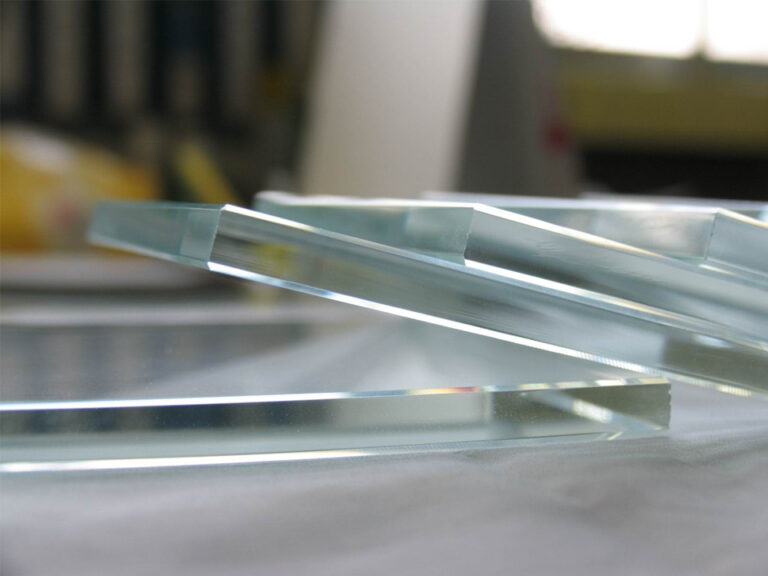
Laminated glass is a safety-glazing setting up made from 2 or more glass layers permanently bound to a polymer interlayer, many generally polyvinyl butyral, or PVB. When the glass breaks, the interlayer holds a lot of the fractured material with each other as opposed to enabling big shards to drop openly.
Glass can lie.
A panel might look thick, polished, and assuring while its interlayer, side condition, framing bite, qualification, or actual evaluated arrangement drops well short of the performance indicated by the words “safety glass.”
So what are we really acquiring?
I deal with laminated glass as a complete setting up, not a transparent product. The glass layers issue. So do the interlayer chemistry, nominal thickness, autoclave high quality, edge direct exposure, frame, sealers, anchors, and applicable test record.
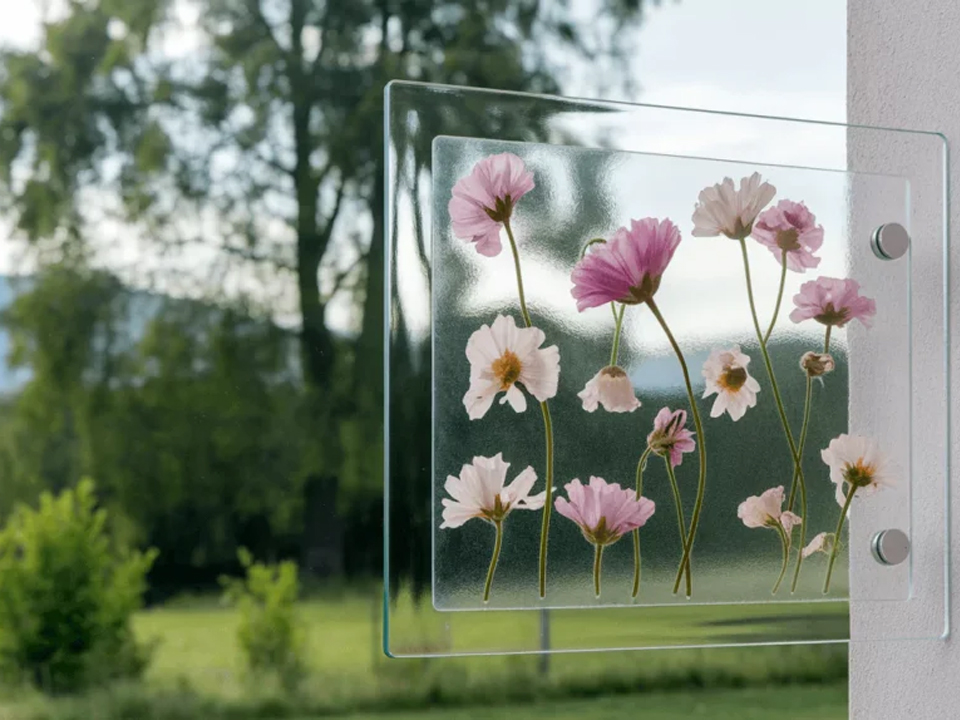
The simplest usual building is:
Glass + polymer interlayer + glass
A familiar make-up is 3 mm glass + 0.38 mm PVB + 3 mm glass, producing a nominal total thickness of 6.38 mm. Larger settings up might make use of 0.76 mm, 1.14 mm, or 1.52 mm of PVB, numerous glass plies, heat-strengthened glass, toughened up glass, or structural ionoplast.
PVB laminated glass is popular since PVB incorporates adhesion, optical quality, impact power absorption, and sound-damping habits. Ethylene-vinyl acetate, or EVA, can match specialized, decorative, solar, or moisture-exposed applications. Ionoplast interlayers are significantly stiffer than standard PVB and might be chosen when structural behavior or post-breakage ability requires it.
But “laminated” defines building, not an universal performance score.
Fundamental laminated safety and security glass is not immediately hurricane-resistant, blast-resistant, bullet-resistant, forced-entry-resistant, fire-rated, or suitable as a structural guard. Those cases require specific examined make-ups and compatible framework.
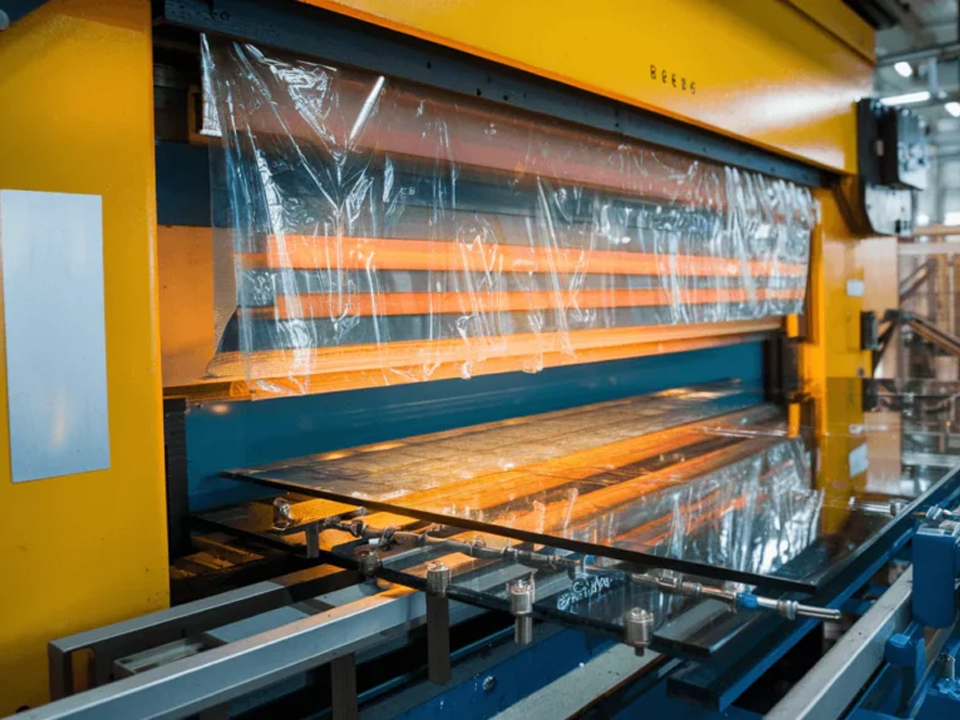
Production generally begins with cutting, bordering, exploration, washing, and evaluating the individual glass plies. Any type of holes, notches, polished sides, ceramic frit, tempering, warmth strengthening, or flexing must usually be completed prior to lamination.
The normal series is:
Usual PVB autoclave cycles operate around 130– 145 ° C and about 10– 14 bar, however those numbers are procedure arrays, not an universal recipe. Interlayer maker instructions, glass thickness, equipment, and panel geometry regulate the last cycle.
Curves make this more challenging. Matching the geometry of two curved plies, controlling roller-wave distortion, and maintaining an even interlayer bond need tighter tolerances than level production. That is why lamination-ready bent tempered glass ought to be examined as paired elements rather than two unassociated bent sheets.

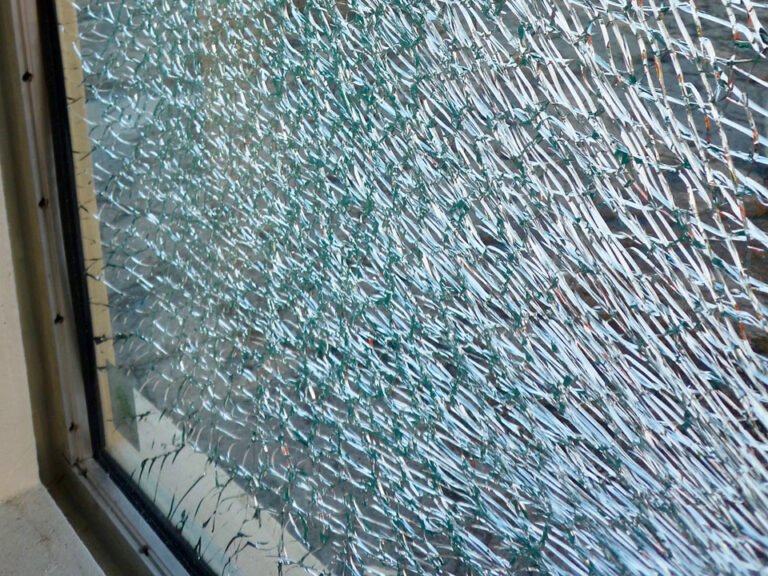
This is the central safety benefit. When broken, the polymer interlayer retains much of the broken glass and can maintain the broken panel briefly meaningful.
That does not mean the opening stays secure indefinitely. A cracked laminate can sag, tear, disengage from superficial framework, or be penetrated by duplicated influences.
Compared with regular stiff glass, laminated glass normally takes more effort and time to produce a passable opening. Enhancing the number of plies, interlayer density, interlayer rigidity, and total setting up depth can improve resistance.
Yet I would reject any type of proposal that makes use of “laminated” as a replacement for a forced-entry examination category. Safety is determined versus a defined assault technique and duration, not an adjective.
The viscoelastic interlayer can damp glass vibration, particularly around coincidence regularities where monolithic glass chokes up. Acoustic PVB can improve performance better.
Quoted STC or OITC worths should come from the total tested building. A 6.38 mm laminate, a 12.76 mm acoustic laminate, and a laminated insulating glass system do not supply the exact same audio reduction.
Numerous PVB products filter more than 99% of ultraviolet radiation within specified wavelength arrays, helping reduce fading of materials, product, artwork, and interior coatings. Buyers ought to still request the interlayer supplier’s spectral information because “UV defense” without a wavelength array and transmission portion is soft advertising and marketing.
Laminated glass can integrate color, published movies, decorative mesh, low-iron substratums, acoustic layers, switchable movies, and rounded plies. It can likewise become one lite within an insulating glass unit.
Lamination alone is not thermal insulation.
A 2023 U.S. Division of Energy research presentation estimated that home window thermal losses and gains represented approximately 25% of structure cooling and heating intake and recognized regarding 2.3 quadrillion Btu of technological yearly cost savings capacity from high-R residential home window solutions. That proof supports much better home window systems; it does not confirm that including PVB alone generates a high-R window.
For thermal performance, I would certainly match a proper laminated lite with 맞춤형 사이즈의 로이유리, a covered dental caries, suitable gas fill, and a properly selected spacer. A warm-edge energy-saving IGU addresses boundary warmth transfer and condensation threat in such a way a stand-alone laminate can not.
Laminated safety glass shows up anywhere dropping fragments, infiltration, fallout, sound, or post-breakage retention are layout problems:
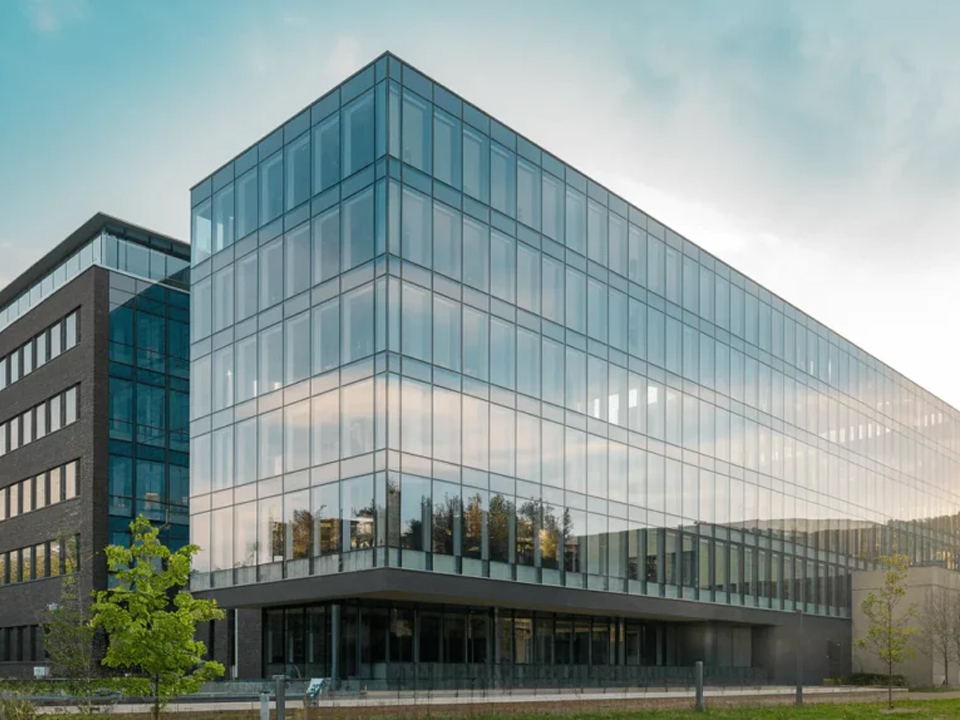
For façades, custom-made curtain-wall laminated glass for safety and security usage makes sense only after wind load, panel support, warm treatment, interlayer, side bite, sealer compatibility, and substitute technique have actually been fixed.
Automotive glazing exposes a less comfortable trade-off. Laminated side windows can help in reducing resident ejection, but they can additionally resist typical emergency situation getaway devices throughout submersion or fire. NHTSA taped 40,901 U.S. website traffic casualties in 2023 and approximated 39,345 in 2024, a 3.8% decline; those numbers establish the scale of lorry safety direct exposure, yet they do not prove that laminated glazing created the modification.
That difference matters. A qualified post separates context from causation.
Safety glass is warm treated to enhance mechanical and thermal resistance. When it falls short, it commonly breaks into many relatively small bits. Laminated glass is specified by bound layers and piece retention; its element plies may be annealed, heat reinforced, tempered, or blended.
| Glass construction | Case in point | 피해 행동 | Main benefit | Main constraint |
|---|---|---|---|---|
| Annealed monolithic | 6 mm | Huge, sharp shards | Low cost and very easy construction before installment | Poor human-impact security |
| Tempered monolithic | 6 mm | Fragments right into little bits and normally abandons the opening | Greater strength and safer fragmentation | Little post-breakage obstacle |
| Hardened laminated | 3 mm + 0.38 mm PVB + 3 mm | Fractures while fragments continue to be adhered | Fragment retention and UV control | Reduced toughness than toughened up glass of similar thickness |
| 강화 라미네이트 | 6 mm + 1.52 mm interlayer + 6 mm | Little pieces stay connected to the interlayer | Incorporates more powerful plies with retention | Can end up being adaptable after both plies crack |
| 라미네이트 IGU | 6 mm + 12 mm tooth cavity + 6.76 mm laminate | Habits varies by lite and support | Safety, insulation, finishings, and acoustics can be integrated | Much more user interfaces, seals, weight, and specification danger |
Neither product wins globally.
I prefer monolithic tempered glass where more secure fragmentation and greater stamina are needed yet post-breakage retention is not the leading concern. Extra-large toughened up glass with made cutouts can serve balustrades, screens, dividings, and hardware-heavy panels when the design allows it.
I prefer laminated building and construction where the damaged glass must remain connected, the opening needs to withstand immediate penetration, or falling fragments would certainly create a secondary hazard. Solidified laminated glass is usually the stronger solution, but its post-breakage habits still depends on warm therapy, interlayer stiffness, temperature, assistance, and tons period.
Below is the difficult truth: this market routinely lets purchasers puzzle 4 different efficiency claims.
A standard PVB laminate may certify as safety and security glazing while stopping working promptly under an arranged assault. Furthermore, adding even more glass does not automatically create a ballistic product. A tested multi-layer ballistic-glass setting up must be picked around a named threat and examination requirement.
Blast design is even more system-dependent. The pane, interlayer, frame, architectural silicone, supports, sustaining wall, stress, impulse, fragment hazard, and appropriate damages degree connect. Purchasers considering blast-mitigation glass with improved retention need to require evidence for the recommended panel dimensions and mounting problem– not a report for a smaller sampling installed in a more powerful test framework.
In the United States, 16 CFR Component 1201 is the government security standard for architectural glazing products used in defined harmful products and locations. Its screening framework includes Category I and Group II influence levels of 150 and 400 foot-pounds.
ANSI Z97.1-2026 is now the present version of the more comprehensive American safety-glazing standard, while the government guideline still incorporates an earlier version’s treatments. That space is a reminder to validate the embraced building code, government demands, authority having jurisdiction, contract documents, and certification policies for the actual task place.
And certification management adjustments. The Safety Glazing Accreditation Council introduced a brand-new laminated-glass certification protocol efficient July 1, 2024, consisting of brand-new SGCC numbers for existing certified products.
I would request for:
A logo on a sales brochure proves really little. Deducible evidence does.
The most effective laminated glass for windows is the lightest, easiest examined building that meets the task’s real dangers and solution requirements without developing unneeded price, weight, optical distortion, or installation danger.
For a regular household window, that may be an IGU with a Low-E external lite and laminated inner lite. For airport-adjacent real estate, acoustic PVB and uneven glass thicknesses may enhance sound control. For a seaside opening, the style may call for a tested debris-impact assembly. For a guard, above panel, or structural exterior, engineering becomes non-negotiable.
Do not begin with thickness. Start with these concerns:
Cost comes later on.
Laminated glass is not unbreakable; it is a bound safety-glass assembly developed to crack while its polymer interlayer maintains most pieces connected, reducing unsafe results and maintaining a momentary barrier, although sufficient force can still pass through the panel or pull the harmed assembly from weak framework.
Words such as “unbreakable” and “unbreakable” must be treated as indication unless they are directly defined by an examination.
Laminated glass is much better when post-breakage retention, decreased fallout, acoustic damping, UV filtering system, or delayed infiltration is required, while solidified glass is typically better when higher mechanical toughness, resistance to thermal anxiety, and much safer granular fragmentation are required without a continuous barrier after damage.
Toughened up laminated building and construction can combine both actions, however it sets you back and evaluates more and have to still be engineered.
Laminated glass typically must be gotten in its final dimensions due to the fact that field cutting, exploration, or notching can harm the interlayer bond, chip the glass, create unrestrained stress concentrations, reveal susceptible edges, and revoke qualification or warranty problems related to the initial factory-produced panel.
Complete all manufacture information prior to tempering and lamination whenever the specification requires heat-treated plies.
Laminated-glass density needs to be computed from panel size, assistance condition, design load, glass therapy, interlayer type, period of lots, temperature, code requirements, and needed post-breakage habits; usual nominal items such as 6.38 mm or 6.76 mm are beginning arrangements, not global design solutions.
A larger panel is not securely specified by duplicating the makeup utilized in a smaller opening.
Common laminated glass is not bulletproof due to the fact that ballistic resistance requires a checked multilayer construction matched to a defined projectile, mass, speed, shot spacing, influence angle, spall need, and score criterion; a conventional two-ply PVB safety laminate does not develop any one of those efficiency conditions.
The truthful requirements names the danger degree and examination criterion as opposed to counting on “bulletproof” as a generic item label.
Laminated glass largely supplies bonded-fragment retention and related safety, acoustic, and ultraviolet-control advantages; significant window power performance usually originates from the full setting up, including Low-E layers, secured cavities, gas fill, spacer conductivity, framework style, side seals, setup top quality, U-factor, and solar heat-gain coefficient.
A laminate can be one important component of a reliable IGU, yet it is not the whole thermal strategy.
If you require laminated glass for windows, drape wall surfaces, guards, rounded panels, acoustic openings, or safety glazing, send the panel timetable, measurements, glass make-up, interlayer, heat treatment, edgework, openings, assistance problem, efficiency criterion, amounts, and shipment series with your inquiry.
The specification should make it through examination before the glass is made. Request a project-based review and quotation currently– due to the fact that “laminated” is only the start of the answer.