Reliable Glass Manufacturing For Industrial & Architectural Projects
We are a leading glass manufacturer based in China, specializing in high-quality glass solutions for industrial and architectural applications. With years of experience and ISO certification, we provide fast, tailored quotes and responsive support for procurement professionals, engineers, and project managers worldwide.
Lynn Lee
Founder
Reliable Glass Manufacturing For Industrial & Architectural Projects
We are a leading glass manufacturer based in China, specializing in high-quality glass solutions for industrial and architectural applications. With years of experience and ISO certification, we provide fast, tailored quotes and responsive support for procurement professionals, engineers, and project managers worldwide.
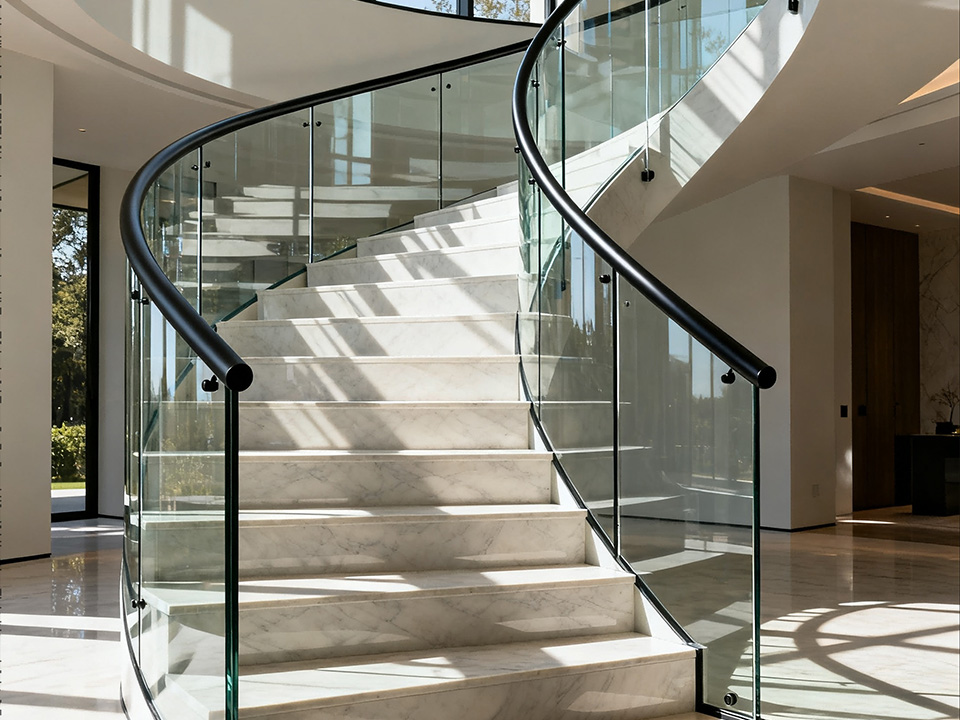
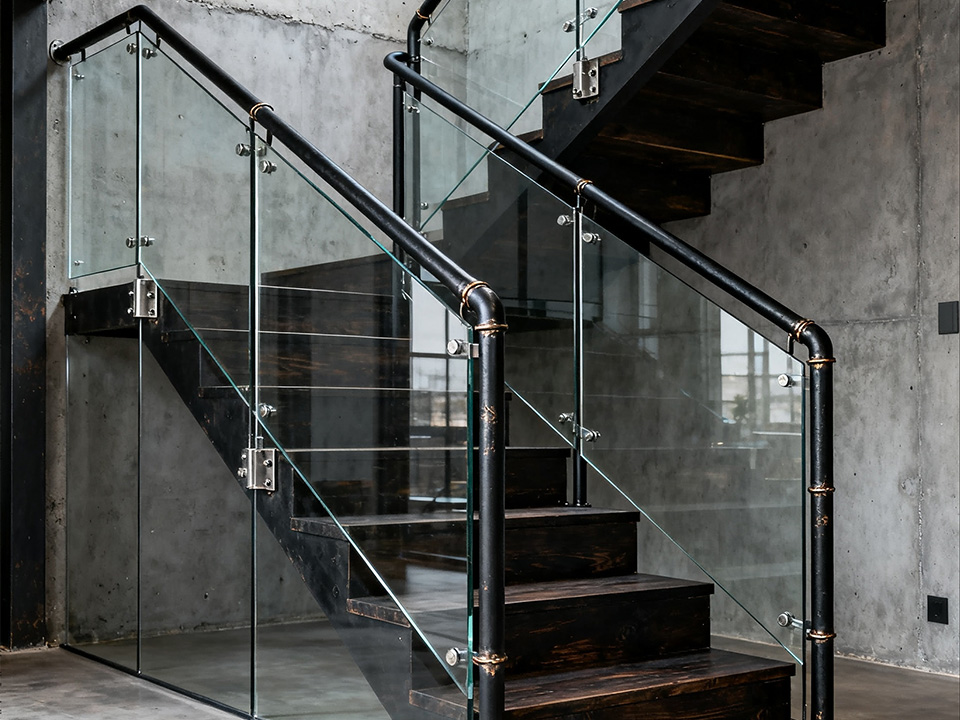
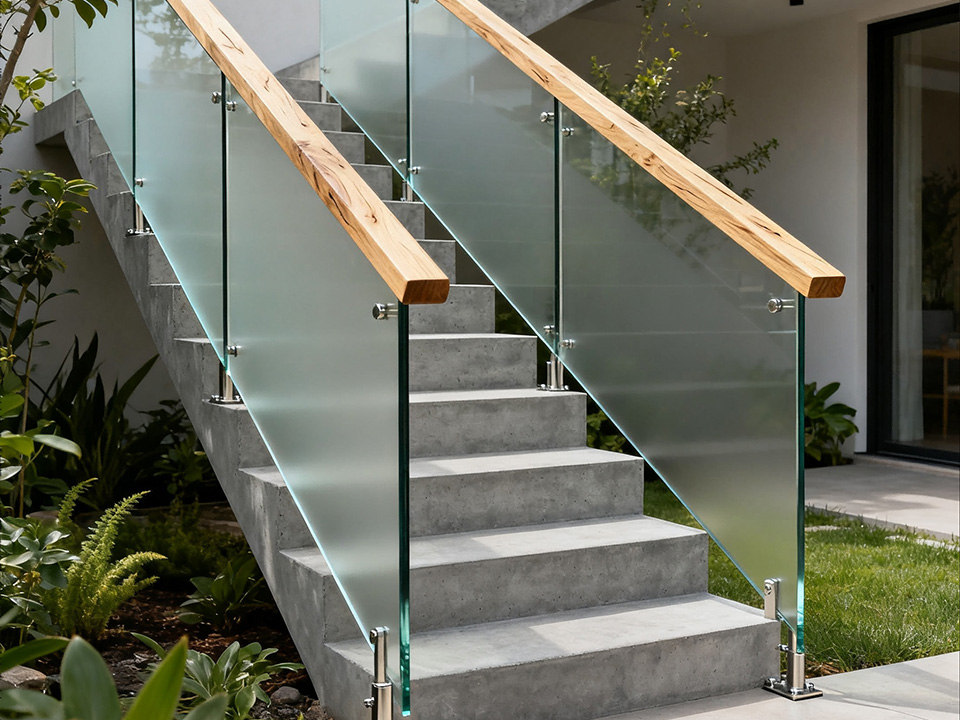
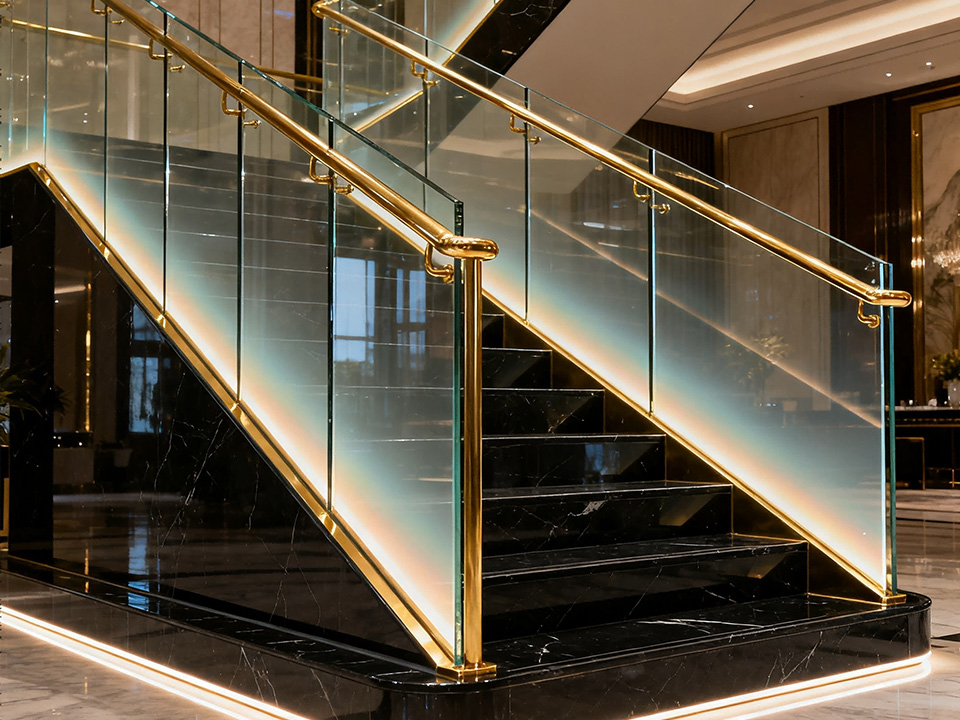
Laminated Glass Build-Ups for Guardrails and Balustrades
I’ve seen this mess in submittal packages more times than I care to count: somebody tosses “skylight glass” into the same bucket as a laminated glass balustrade, then acts shocked when the glazing note, the guard note, the engineering note, and the liability trail all start fighting each other on the same sheet set. It happens. A lot.
A skylight can be laminated. A guardrail can be laminated. That does not make them functionally interchangeable. Not in code review. Not in fabrication. Not when a body hits the barrier, or when a lite breaks, or when the owner’s lawyer starts asking who approved the build-up. Same family, different job. Why do people still blur that line?
Here’s the ugly truth: too many buyers still shop laminated glass for balustrades like it’s a finish item—clarity, edge polish, lead time, price—when the real conversation is structural retention, post-break behavior, support condition, and who gets burned if the assembly fails in service. The 2024 IBC changes didn’t make that softer, either. The update leaned into laminated tempered and laminated heat-strengthened glazing for handrails and guards, and tied those uses back to specific stress limits and guard load logic through the code framework described by structuremag.
So before anybody starts arguing over nominal thickness, I’d rather they look at project-spec custom laminated glass build-ups and ask the only question that matters early: what is the glass actually being asked to survive?
Table of Contents
What a laminated glass balustrade is really supposed to do
A real laminated glass balustrade has to carry service loads, stay safer after breakage than monolithic glass, and keep people from suddenly finding themselves on the wrong side of gravity if one lite goes. That’s the baseline. Everything else—clarity, low-iron, edge finish, sexy renderings—is secondary.
But the market still loves pretending “tempered” solves everything. It doesn’t. It solves some things. Usually.
From my experience, the fastest way to spot a weak guardrail laminated glass specification is to look for the word “tempered” sitting there alone, doing all the work, with no real thinking behind support details, top-rail requirements, or post-break capacity. That spec is begging for trouble. Under the current IBC path, the load discussion is not optional; Section 1607.9 is in the room whether the design team likes it or not, including the usual 200-pound concentrated load and the 50 plf line-load logic. And once you’re dealing with structural glass guards, the stress limits spelled out in the code discussion matter too—3,000 psi for heat-strengthened, 6,000 psi for fully tempered, per the summary discussed by structuremag.
Then there’s the part people conveniently forget. Guards with structural glass balusters under the 2021 IBC require an attached top rail or handrail. That one sentence on codes.iccsafe. has wrecked plenty of overconfident “frameless” concepts. Clean elevations are nice. Gravity is less forgiving.
The build-up mistakes I see most often
The first mistake? Thinking balustrade glass thickness is the answer. It’s not. It’s one variable—important, yes—but still just one variable in a system that also includes glass type, interlayer chemistry, edge quality, setting block detail, support geometry, and the ugly little issue of how the panel behaves after fracture.
The second mistake is worse: people talk about laminated glass build-ups like they’re plug-and-play. Same thickness, same outcome. That’s fantasy. A 13.52 mm assembly and another 13.52 mm assembly can look nearly identical on paper and behave very differently once the interlayer changes, the edges are exposed, or the panel moves from framed to base-shoe support. Same nominal make-up. Different animal.
And the third? Value engineering the interlayer before anyone admits whether the edge is exposed, whether the site is coastal, whether the owner wants zero haze complaints, or whether the installer actually knows how to set the panel without chewing up the lamination. That’s where projects get stupid.
I frankly believe spec writers should spend more time with interlayer options for laminated glass and less time copying old callouts from dead project folders. The interlayer isn’t filler. It changes stiffness, retention, look, durability—and, yes, whether the finished guard feels premium or flimsy.
How I choose laminated glass for guardrails in practice
When someone asks how to choose laminated glass for guardrails, I don’t start with “best product.” I start with support condition, exposure, span, top-rail status, breakage scenario, and replacement pain. That’s how real people buy after they’ve been through one bad job.
If the glass is mostly decorative and the frame is doing the heavy lifting, that’s one conversation. If it’s a low-metal or minimal-metal system where the glass is visibly carrying the visual and structural burden, that’s another. And if it’s public-facing, wet, coastal, or likely to get abused by carts, kids, tenants, or cleaners? I get conservative fast. I’ve seen too many “sleek” details age badly.
Here’s the shorthand version I use with clients and fabricators:
Application logic
Common starting build-up range*
What usually drives the next jump
My blunt view
Framed or well-captured interior guard
13.52 mm to 17.52 mm
Span, panel width, code load check, deflection
Fine as a starting point, not a universal answer
Base-shoe laminated glass for railings
17.52 mm to 21.52 mm
Unsupported height, top rail status, post-break behavior
This is where weak specs start getting exposed
Minimal-metal laminated glass balustrade
21.52 mm to 25.52 mm+
Higher line loads, cleaner sightlines, edge quality, engineering
Looks simple, rarely is
Structural glass guardrails in demanding public settings
Project-specific engineered build-up
Occupancy, abuse risk, maintenance, liability
Do not buy this category like commodity glass
*These are practical discussion ranges, not stamped design prescriptions or code minimums.
When the conversation turns commercial—actual sizes, tolerances, holes, edgework, fabrication lead time—I’d send people first to custom laminated glass for railings and then to laminated glass for structural use. Why both? Because one helps frame the procurement side, and the other forces the buyer to think like the glass is structural—which, in these systems, it usually is.
Skylight glass and balustrade glass are not twins
And yet teams keep mashing them together because both use safety glazing, both can be laminated, and both look nice in a sample box under showroom lights. But that’s brochure logic, not field logic.
Here’s the difference I care about: skylight assemblies deal with overhead use, weather load, fall-through exposure, covers, and roof conditions. Guardrails and balustrades deal with barrier loading, human impact, edge retention, leaning forces, handrail integration, and public safety along occupied edges. Same material family, sure. Different design problem.
The consequences aren’t theoretical. OSHA’s June 25, 2024 notice on a Macon warehouse fatality described a worker stepping onto a skylight and falling around 19 feet; investigators said the employer failed to provide fall protection and left skylights without safety guardrails or covers, resulting in nine serious violations and proposed penalties of $61,065, as reported by osha. Different application, same lesson: glazed openings don’t magically become safe because someone wrote “safety glass” in the spec.
And the broader fall data is just brutal. NIOSH said in May 2024 that construction workers account for nearly half of all fatal occupational slips, trips, and falls, and that since 2013 the industry has seen about 300 fatal and 20,000 nonfatal fall-related injuries each year, according to cdc. That’s why I don’t indulge loose language around structural glass guardrails. The jargon matters because the physics matter.
Where inspection, maintenance, and litigation start breathing down your neck
Everybody loves the mockup. Nobody wants to talk about edge stability five years later, or cracked finishes in the shoe, or replacement sequencing after a spontaneous break, or whether the owner has any inspection discipline once the project team clears out. That silence is expensive.
But, honestly, this is where the grown-up conversation starts. If the guard is exposed, if balconies are involved, if the owner runs multifamily stock, or if the assembly lives in a city with hard enforcement culture, then the laminated glass for balustrades discussion has to include inspections, records, and failure consequences—not just the purchase order.
Public enforcement has already made that plain. In March 2024, New York City’s Department of Buildings reported penalties and a Vacate Order tied to spalling and cracked balconies at one property, as shown by nyc.And in California, jurisdictions are still pressing Exterior Elevated Elements compliance; San José has noted SB 721 apartment E3 reports due January 1, 2026, covering balconies, decks, stairways, and walkways above 6 feet. Owners who think this is “just glass” are usually the same owners who get surprised by inspection deadlines.
That’s why I care less about polished sales copy and more about whether a supplier can actually support fabrication detail, edge finishing, heat treatment, and consistency. Balustrade glass panels for safety use should be part of the conversation, yes—but so should manufacturing services. Because if the shop can’t control the work, your pretty laminated glass balustrade spec turns into punch-list theater.
My opinion on “best laminated glass for balustrades”
There isn’t one.
That’s my honest answer, and I know some buyers hate hearing it because they want the one neat number, the one safe nominal thickness, the one “industry standard” build-up they can drag from project to project. Doesn’t work that way. Not if the job is real.
The best laminated glass for balustrades is the one that matches the load path, support condition, exposure, edge detail, post-break expectation, and replacement strategy of the actual project in front of you. Not the prettiest sample. Not the cheapest quote. Not the one a vendor swears they “always use.”
And I’ll say it plainly: I’d rather be accused of overspecifying a public-facing structural glass guardrail than spend six months explaining why a bargain build-up was “probably fine” until it wasn’t.
If you want to move beyond generic talk, review the case studies and then use contact with actual panel sizes, support details, and target performance instead of vague phrases like “frameless look” or “premium finish.” Those phrases don’t design a guard. They just delay the hard decisions.
FAQs
What is a laminated glass balustrade?
A laminated glass balustrade is a protective barrier made from two or more bonded glass lites with an interlayer, designed to resist impact, hold together better after breakage than monolithic glass, and serve as a code-driven safety guard at stairs, balconies, landings, and elevated edges. That’s the clean definition. In the real world, it’s only as good as the build-up, support detail, and installation discipline behind it.
What laminated glass thickness is used for balustrades?
Balustrade glass thickness is the total nominal thickness of a laminated assembly—often discussed in ranges such as 13.52 mm, 17.52 mm, 21.52 mm, or 25.52 mm+—selected according to support method, panel span, line load, top-rail requirement, edge condition, and post-break design expectations. Thickness matters. But thickness alone lies. I’ve seen overconfident specs with “big” glass and weak system logic.
Is laminated glass required for guardrails?
Laminated glass for guardrails is generally treated as the safe and appropriate default because structural glass guards rely on retained fragments and safer post-break behavior, which laminated assemblies provide far better than a single tempered lite in occupied edge conditions. In plain English: if the glass is part of the barrier, laminated should be your starting assumption. The 2024 IBC discussion only reinforced that position through the code updates highlighted by structuremag.
How do I choose the best laminated glass for balustrades?
The best laminated glass for balustrades is the assembly whose glass type, interlayer, thickness, edge exposure, support geometry, and post-break performance match the project’s real loads, occupancy, maintenance habits, and risk tolerance rather than a generic “premium” label from a supplier. I start with the hardware and support condition. Then I ask what failure would look like—and who has to own it.
What is the difference between skylight glass and guardrail laminated glass?
Skylight glass and guardrail laminated glass can both be safety glazing, but skylight systems are designed around overhead exposure, weather, and fall-through conditions, while guardrail and balustrade systems are designed around barrier loads, human impact, edge retention, and occupant protection at elevated walking surfaces. That’s the formal answer. The blunt one? Don’t borrow skylight logic for a guardrail job and expect the spec to hold up.
The market still muddles this stuff. You don’t have to.
If you want a sharper guardrail laminated glass specification—with less guesswork, less copy-paste nonsense, and fewer expensive surprises—send the panel sizes, support sketch, target sightline, and project location through contact.