Endüstriyel ve mimari uygulamalar için yüksek kaliteli cam çözümleri konusunda uzmanlaşmıştır.
Yıllara dayanan deneyimimiz ve ISO sertifikamızla, dünya çapındaki tedarik uzmanlarına, mühendislere ve proje yöneticilerine hızlı, ihtiyaçlarına özel teklifler ve anında yanıt veren destek sunuyoruz.
Çin merkezli önde gelen bir cam üreticisiyiz,
Endüstriyel ve mimari uygulamalar için yüksek kaliteli cam çözümleri konusunda uzmanlaşmıştır.
Yıllara dayanan deneyimimiz ve ISO sertifikamızla, dünya çapındaki tedarik uzmanlarına, mühendislere ve proje yöneticilerine hızlı, ihtiyaçlarına özel teklifler ve anında yanıt veren destek sunuyoruz.
ASTM C1036-25 Flat Glass Requirements for Global Importers Guide
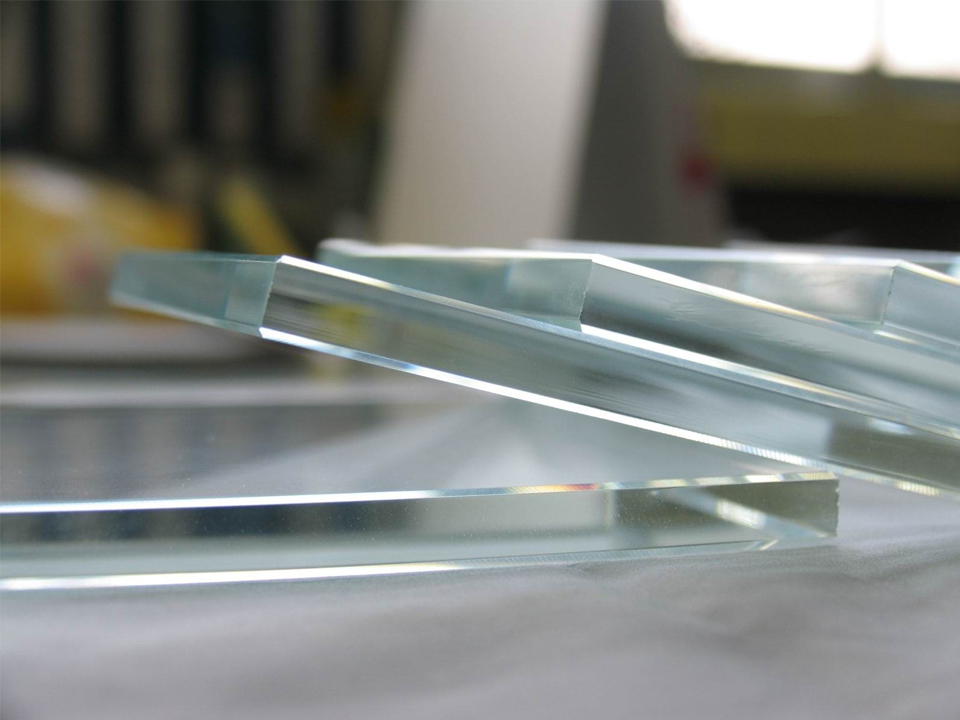
The ASTM C1036 flat glass criterion is ASTM International’s specification for the top quality of flat glass, including clear, low-iron, tinted, formed, and wired glass within the standard’s specified scope. The present C1036-25 version was published in 2025 and covers monolithic level glass meant for applications such as building glazing, mirrors, layered glass, insulating glass units, and laminated glass.
Below is the distinction importers frequently neglect: a specification for the quality of glass as created is not a blanket qualification that a completed product is safe, code-compliant, or appropriate for every single structure application.
According to the official ASTM spec, the standard addresses measurable attributes such as measurements, squareness, surface blemishes, distortion, reflectance, and passage, relying on the glass kind. It does not cover every performance requirement for tempered, heat-strengthened, chemically strengthened, or layered glass.
That difference influences purchasing decisions. A provider can use glass that meets a specific flat-glass top quality requirements without showing that the completed glazing setting up pleases every demand of the destination market.
ASTM C1036-25 Requirements: What Importers Need To Inspect
A purchaser ought to translate the standard right into details purchase-order needs instead of depend on a distributor’s general statement that its items are “ASTM compliant.”
I recommend starting with five checks:
Item category: Confirm whether the order covers Type I transparent flat glass or Type II formed and wired glass, and specify the suitable course.
Aesthetic quality: Establish the applicable acceptance standards for point acnes, linear blemishes, and distortion.
Measurements and geometry: Validate small density, sheet dimensions, dimensional resistances, and squareness demands against the relevant requirement and order requirements.
Optical efficiency: Where pertinent, recognize reflectance and transmittance requirements and exactly how they will be evaluated.
Paperwork and traceability: Call for the vendor to recognize the suitable conventional version, product description, evaluation outcomes, and manufacturing great deal.
Do not invent tolerances. The relevant limitations and examination techniques must originate from the real criterion, the product classification, and the concurred order requirements.
The complete message of ASTM C1036-25 is the reliable recommendation for its approval requirements. A summary from a vendor, sales pamphlet, or third-party web site is not a replacement for the pertinent provisions.
ASTM C1036 Glass Kind and Classifications
Different glass items produce different evaluation risks. An importer that buys everything under the common description “flat glass” is leaving too much area for difference.
Cam sınıflandırması
Secret investing in consideration
Extra verification
Clear flat glass
Noticeable blemishes, measurements, optical top quality
Applicable C1036 requirements
Düşük demirli cam
Shade look and optical expectations
Concurred optical specifications
Tinted level glass
Color consistency and light transmission
Contract-specific optical limits
Patterned glass
Pattern look and surface top quality
Suitable Type II requirements
Wired glass
Pattern, appearance, and item suitability
Suitable classification and local regulations
Temperli cam
Base-glass high quality is inadequate
Pertinent needs, consisting of ASTM C1048 where applicable
Lamine cam
Base-glass quality does not establish laminate performance
Pertinent laminated-glass demands, including ASTM C1172 where relevant
These categories must not be dealt with as interchangeable. Specifically, a buyer sourcing bulk interlayer options for laminated glass need to evaluate the ended up laminate and its intended application, not merely the quality of the specific glass sheets.
Furthermore, yanmaz lamine cam calls for application-specific fire-performance evidence. ASTM C1036 alone does not establish a fire-resistance ranking.
The Industrial Fact: Import Compliance Is Not Simply a Glass Examination
Think about the trade exposure. World Bank WITS information reports that the USA imported around US$ 139.8 million in float glass and surface-ground or sleek glass identified under HS 7005 in 2023. Belgium, Germany, Mexico, China, and Malaysia were among the reported distributors.
That number serves context, not an action of ASTM-compliant imports: the customs classification covers a broader item category and does not establish which deliveries met C1036.
For an importer, the business lesson is straightforward. International sourcing develops a documents trouble along with a manufacturing-quality trouble. The item gotten, the product examined, the product proclaimed at customizeds, and the item set up need to be consistent.
Regulatory needs likewise rely on the completed application. In the United States, the Customer Item Safety Compensation’s building glazing regulations under 16 CFR Part 1201 establish safety and security needs for covered glazing products and architectural items. Those demands are different from ASTM C1036’s range.
Both should not be puzzled. Passing a flat-glass high quality evaluation does not instantly demonstrate conformity with every appropriate safety policy.
Flat Glass Inspection and Screening: What Should Occur Before Shipment?
A certificate is not an inspection.
I would certainly treat vendor documents as the starting point, after that develop a risk-based assessment strategy that links each purchase-order demand to an unbiased check, because a document that identifies a conventional yet supplies no traceable outcomes uses limited defense when a delivery shows up with contested high quality.
A useful assessment process need to consist of the adhering to actions.
Testimonial the order. Validate glass kind, class, density, dimensions, amount, coating, and the appropriate ASTM edition.
Verify the production lot. Guarantee the inspection records correspond to the items in fact produced for the order.
Examine representative samples. Review surface imperfections, distortion, measurements, and other attributes called for by the suitable category and examination approaches.
File nonconformities. Record defect places, dimensions, photographs, example identification, and the pertinent acceptance criteria.
Agree on personality. Define whether nonconforming items will certainly be changed, reworked, attributed, or approved via a recorded giving in.
Tasting strategies must be agreed upon in advance. Do not think that evaluating a handful of sheets proves that every sheet in a huge shipment adheres.
For ornamental items, appearance additionally requires context. Mass silk-screen ceramic frit glass for skylights might require separate checks for frit protection, color uniformity, and the performance of the finished product. These checks supplement the suitable base-glass needs; they are not instantly recommended by C1036.
Just how to Adhere To ASTM C1036-25: A Customer’s List
Prior to approving a provider or launching a shipment, I would desire clear answers to these concerns:
[] Does the vendor determine ASTM C1036-25 especially as opposed to cite an unspecified ASTM standard?
[] Does the quoted item loss within the criterion’s scope?
[] Are the necessary glass type, course, dimensions, and high quality requirements recorded?
[] Are examination techniques and approval limits set before manufacturing?
[] Can evaluate and inspection records be mapped to the delivery?
[] Have different needs for finishings, lamination, tempering, or other processing been identified?
[] Have destination-country building regulations, safety rules, labeling, and import needs been checked separately?
[] Does the contract specify exactly how claims, rejected whole lots, and substitute expenses will be managed?
One extra caution: products marketed as specialty glass may need a various conformity approach. For instance, değiştirilebilir kişisel gizlilik camı includes practical elements and efficiency features that a flat-glass spec can not totally develop. Likewise, toughened up glass for microwave oven racks requires attention to its intended usage and pertinent product-specific needs.
The regulation is basic: match the criterion to the item, then match the product to the application.
Sıkça Sorulan Sorular
1. What is ASTM C1036-25?
ASTM C1036-25 is ASTM International’s 2025 requirements defining top quality demands and analysis methods for defined groups of monolithic level glass, including transparent, clear, low-iron, tinted, formed, and wired glass within its range. It addresses qualities such as dimensions, acnes, distortion, reflectance, and transmittance, as applicable to the glass classification.
2. Does ASTM C1036-25 warranty that imported glass is safe?
No. ASTM C1036-25 addresses specified facets of flat-glass quality, not every safety, structural, thermal, or governing need relevant to an imported ended up item. Importers have to independently confirm the relevant product-specific requirements, destination-market regulations, and intended-use demands prior to approving glass for architectural or other applications.
3. Just how can importers confirm ASTM C1036-25 compliance?
Importers can validate compliance by recognizing the suitable basic version and classification, assessing the required acceptance standards, and checking traceable evaluation or examination documents against those demands. Where suitable, they ought to arrange independent inspections and paper nonconformities prior to delivery launch, while individually verifying needs that relate to processed or finished glazing items.
4. What is the difference between ASTM C1036 and ASTM C1048?
ASTM C1036 addresses defined top quality needs for flat glass, while ASTM C1048 covers heat-strengthened and completely tempered flat glass. Customers sourcing tempered products ought to figure out which demands apply to both the underlying glass top quality and the heat-treated product, instead of presuming that conformity with C1036 alone develops conformity with C1048.
5. Is ASTM C1036-25 obligatory for all global glass imports?
No. ASTM C1036-25 is a technological spec, and whether it is contractually required or pertinent to regulatory conformity relies on the location market, relevant guidelines, job specs, and acquisition arrangement. Importers must validate the lawful and contractual demands for their details item and market instead of thinking that one ASTM spec governs every shipment.
Last Recommendation: Make Compliance an Agreement Demand
The greatest import strategy starts prior to manufacturing, not when a container gets to the port.
Define ASTM C1036-25 where relevant, define measurable approval requirements, establish inspection and reporting treatments, and recognize the extra standards needed for the ended up product. Maintain paperwork linked to the actual shipment, and resolve disputes via proof as opposed to contending analyses of a vendor’s marketing claims.
Purchasing glass on rate alone is very easy. Purchasing glass with verifiable high quality, traceable documentation, and application-specific compliance is what secures the job.
Prior to putting your following bulk order, examine the item’s technical demands, confirm the vendor’s assessment process, and put the acceptance standards in writing.




Yönetmelik ve Kapsam Anlaşmazlıklarını Önleyen Uygulama Çizimi Notları