Endüstriyel ve mimari uygulamalar için yüksek kaliteli cam çözümlerinde uzmanlaşmış, Çin merkezli lider bir cam üreticisiyiz. Yılların deneyimi ve ISO sertifikası ile dünya çapında satın alma uzmanları, mühendisler ve proje yöneticileri için hızlı, özel teklifler ve duyarlı destek sağlıyoruz.
Lynn Lee
Kurucu
Endüstriyel ve Mimari Projeler İçin Güvenilir Cam Üretimi
Endüstriyel ve mimari uygulamalar için yüksek kaliteli cam çözümlerinde uzmanlaşmış, Çin merkezli lider bir cam üreticisiyiz. Yılların deneyimi ve ISO sertifikası ile dünya çapında satın alma uzmanları, mühendisler ve proje yöneticileri için hızlı, özel teklifler ve duyarlı destek sağlıyoruz.
Temel kural şudur: Tasarım kodu, kodun kendisi değildir.
Bunu iki kez gözden geçir.
“IBC’ye uygundur” iddiasında bulunan teklif paketlerine karşı gerçekten çok az sabrım var; bu paketler, yetkili makamın bölgesel değişiklik paketini, elektrik yönetmeliğini, rüzgâr haritasını, korkuluk yorumunu, okul güvenliği genelgesini ve kurulumdan sonra geri dönüşü olmayan işaretin görünür olmasını isteyen değerleme uzmanını nazikçe göz ardı edeceğini varsayıyor. Neden öyle yapsınlar ki?
Gerçek yarışma camlama gereksinimleri Parlak tasarım hikayesinde nadiren karşımıza çıkar. Daha sonra, strateji değerlendirme yorumlarında, reddedilen mağaza çizimlerinde, eksik CPSC etiketlerinde, U faktörü tablolarında ve bir belediye yönetmeliğinde gizlenmiş, kısa ama pahalıya mal olan şu cümlede karşımıza çıkar: “X Bölümü, aşağıdaki şekilde revize edilmiştir.”
Sürüm Kodu Bir Alt Sınırdır, Şantiyedeki Gerçeklik Değildir
Çoğu grup, IBC, IRC veya IECC’yi bir tür “genel anahtar” gibi kullanır. Bu, tembel bir yaklaşımdır. Bazı durumlarda ise zararlı olabilir.
2024 IBC 24. Aşama çerçevesi, cam ve cilalama konularını hâlâ mimari parseller, güvenlik camlarının tanımlanması, tehlikeli alanlar, eğimli camlar, cam koruyucular, çatı pencereleri ve asansör camları etrafında düzenlemektedir; güvenlik camları açıkça belirtilmelidir ve sertleştirilmiş camlar genellikle tahribat olmaksızın kaldırılamayacak kalıcı bir tanımlamaya ihtiyaç duyar.
Ancak işte tam da bu noktada uzmanlar zor durumda kalıyor: Bir yerel yönetim, tasarım dilini benimsedikten sonra, ihale sürecini etkileyen tek bir cümleyi değiştirebilir. Bir mahallenin yapı yönetmeliklerinde yapılan bir değişiklik, cam paketini tek parça temperli camdan lamine sertleştirilmiş cama, standart koruma camından Low-E IGU'ya veya “sertifikasyonla kabul edilebilir” şartından “etiketi, test raporunu ve tasarımcının hesaplamasını gösterin” şartına dönüştürebilir.”
Bu pahalı.
Ve maliyet sadece camdan ibaret değil. Yeniden tasarım, yeniden başvuru, ürünler, vinç çalışma süresi, sertleştirme hazırlığı, lamine yapının erişilebilirliği, ara parça rengi, argon dolgusu, Low-E yüzey alanının konumlandırılması, yan tarafın sökülmesi, maket hatası ve o şehirde “onaylanmış eşdeğer”in neden hiçbir zaman eşdeğer olmadığını mal sahibine açıklamak zorunda kalmanın yarattığı, yavaş ilerleyen utanç da buna dahildir.
Yargı Yetkisi Değişikliklerinin Genellikle Parlatma Şartlarını Etkilediği Durumlar
İdari değişiklikler, beş alanda camlama gerekliliklerinde değişiklik getiriyor: güvenlik, elektrik, yapı, yangın/güvenlik ve evrak işleri.
Görünüşe göre şu: güvenlik ve emniyet camı gereksinimleri. Kapılar. Yan camlar. Nemli alanlar. Koruyucu parmaklıklar. Merdivenler. Spor tesisleri. Asansör kabinleri. Birisi çarpma bölgesi için sertleştirilmiş cam sipariş ettiğinde birdenbire gerçekten heyecan verici hale gelen o sıkıcı kontrol listesi.
Chicago’nun cam koruma bariyerleri için benimsediği kod dili, yerel düzenlemelerin ilgili ürün alanını ne kadar daraltabileceğinin iyi bir örneğidir: koruyucuda veya tırabzanın desteklenmesinde kullanılan cam, tamamen katılaştırılmış veya ısıl olarak güçlendirilmiş camdan üretilmiş, Kategori II CPSC 16 CFR Bölüm 1201 veya Sınıf A ANSI Z97.1 standartlarına uygun ve en az 1/4 inç kalınlığında lamine cam olmalıdır.
Bu tür bir ifade, sonradan akla gelen bir şey değildir. Bu, bir satın alma kılavuzudur. Bu, sizi şuna yönlendirebilir: lamine güvenlik camı (pencere ve kapı camı) Müşteri, kırılma durumunda ne olacağını sorana kadar kabul edilebilir görünen, daha ucuz ve sadece temperli camdan oluşan bir kurulum yerine.
İkinci odak alanı ise enerji verimliliğidir. Pencere sistemlerine ilişkin gereklilikler artık sadece sürdürülebilirlikle ilgili genel söylemlerden ibaret değildir. Bunlar somut rakamlardır: U-faktörü, SHGC, VT, hava sızıntısı, iklim bölgesi, alana göre ağırlıklandırılmış standartlar, uygunluk yazılımı ve bazı durumlarda imar dairesinden daha etkili bir yetkiye sahip mahalle enerji ofisi.
DOE’nin 2024 IECC konut analizi, kabul edilen 273 kod düzenleme önerisini belirlemiştir; bunların 54’ü doğrudan enerji etkisine sahipti; 48’inin enerji kullanımını azaltması, 6’sının ise artırması bekleniyordu ve tasarlanan ülke çapındaki mali tasarruflar yıllık tesis EUI’si 7.80%, 6.80% kaynak EUI, 6.60% elektrik maliyeti ve 6.51% karbon emisyonu olarak hesaplandı.
Dolayısıyla, bir mahalledeki değişiklik cam kaplama yönetmelik şartlarını sıkılaştırdığında, bu nadiren düşünülerek yapılır. Bu bir matematik meselesidir.
Enerji Yönetmeliğinin Tuzakları: U-Faktörü ve SHGC Yerel Koruma Sağlar
Austin’in 2024 IECC ile ilgili yerel değişiklik belgeleri, genel bir ev penceresi spesifikasyonunu boşa çıkarabilecek türden somut rakamları ortaya koymaktadır: Çevre Alanı 2 için, dikey pencerelerin U faktörü 0,35, çatı pencerelerinin U faktörü 0,60, camlı dikey pencerelerin SHGC değeri 0,25 ve çatı pencerelerinin SHGC değeri 0,28 olarak belirtilmiştir.
Bunlar broşürde yer alan sıfatlar değil. Bunlar, “geçer/kalır” değerleridir.
Eğer görev çok daha yüksek bir termal verimlilik gerektiriyorsa, tartışma hemen şu konuya kayar: Fabrikadan doğrudan temin edilen Low-E camlı çift camlı ünite (IGU) ürünleri, sıcak kenarlı ara parçanın seçimi, argon dolgusu, kaplama yüzeyinin yerleştirilmesi ve NFRC değerinin tam olarak söz konusu montajdan mı yoksa sadece satış ekibinin tercih ettiği bir ürün ailesinden mi elde edildiği.
Acı bir gerçek: Pek çok “değer odaklı tasarım” önerisi, aslında daha ucuz bir kılıf giydirilmiş kod riski aktarımlarından ibarettir.
Tek bir alan değişikliği de bir yolu yumuşatabilir veya dönüştürebilir. Larimer Bölgesi’nin 2024 yapı yönetmeliği değişikliklerine göre, belirli dengeleme yolları aracılığıyla izin verilen alan ağırlıklı ortalama maksimum pencere U-faktörü, Çevre Bölgeleri 4 ve 5’te dikey pencereler için 0,48, ve İklim Bölgeleri 4 ile 8’de çatı pencereleri için 0,75 olacağı belirtilmektedir; buna ICC 500 fırtına sığınağı muafiyeti de dahildir.
Dolayısıyla asıl soru, “Bu cam yönetmeliklere uygun mu?” değildir. En doğru soru şudur: “Hangi cam, hangi değişikliklere tabi tutulmuş, hangi uygunluk prosedürü kapsamında, hangi açıklık türü için ve hangi iklim bölgesinde yönetmeliklere uygun hale getirilmiştir?”
Kırılmaz cam bir moda akımı değildir; bu, bilimsel olarak incelenmiş bir durumdur
Temperli cam her durumda en uygun çözüm değildir. Lamine cam da otomatik olarak en uygun çözüm değildir. Yönetmelik, montaj koşullarını, konumu, insanlara yönelik riskleri, kırılma sonrası davranışını ve inceleme gerekliliklerini dikkate alır.
Ancak satış ekipleri daha hızlı yöntemleri tercih eder.
Kapı gözetleme panelleri, yan camlar, duş odaları, yürüme yüzeylerine yakın mağaza cepheleri ve merdiven sahanlıklarına bitişik camlar söz konusu olduğunda, müşteri camın “sağlam görünmesi”ni önemsemeyebilir. Müşteriler için önemli olan, camın doğru şekilde işaretlenmiş olup olmadığı, etikette CPSC 16 CFR Kısım 1201 veya ANSI Z97.1'e atıfta bulunulup bulunmadığı, gerektiğinde Kategori II olup olmadığı ve son kurulumun bu bilgileri gizleyip gizlemediğidir.
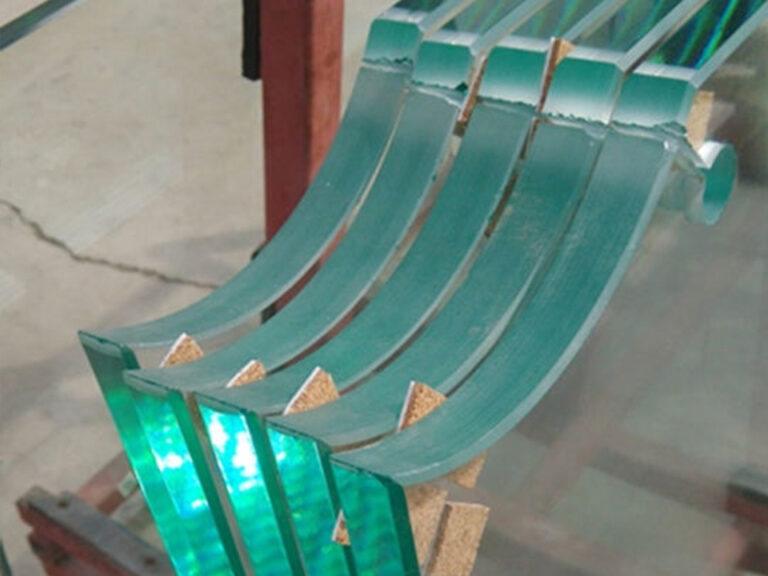
Islak alanlar ve özel yapım duş odaları için, yuvarlak kenarlı, sertleştirilmiş duş camı Tasarım amacına uygun olabilir, ancak geometri tehlike analizini ortadan kaldırmaz. Bükülmüş camın kendine özgü üretim zorlukları, açıklık kısıtlamaları, kenar işleme sınırlamaları ve teslim süresi sorunları vardır. Zemin karosu, donanım ve su yalıtımı tamamlandıktan sonra bir denetçi ile tartışmaktansa, özel olarak tasarlanmış bir eğriyi gereğinden fazla belgelemeyi tercih ederim.
Mimari Cam Uygulamalarına İlişkin Değişiklikler: Koruyucu Öğeler, Kanopiler ve Düşen Cam Sorunu
Cam korkuluklar ve sarkan camlar gerçekten korkutucudur. Ciddiyim.
2024 IBC’de mimari camla ilgili tartışmalar, cam korkuluklar ve koruma bariyerleri için tasarım gerilimi ve dayanım sınırlarını netleştirdi: Isıyla güçlendirilmiş cam için 3.000 psi ve tam temperli cam için 6.000 psi; bu sınırlar, dörtlük bir güvenlik katsayısı kullanılması konusundaki eski belirsizliği ortadan kaldırdı.
Bu değişiklik önemlidir, çünkü “yeterince sağlam” olmasının varsayılmaması, kesin olarak belirlenmeleri gerekir. Mahalle korkulukları, şiddetli rüzgara doğrudan maruz kalma, sismik kayma veya toplu kullanım amaçlı kiralama gibi unsurlar eklendiğinde, sade bir mimari detay, üst korkuluklu lamine sertleştirilmiş cam, kırılma sonrası davranış analizi, özel destekler ve damgalı hesaplamalar içeren bir yapıya dönüşebilir.
Kanopiler söz konusu olduğunda da durum pek de hoşgörülü değildir. Kırılmış bir tavan camı, servis garantisi kapsamındaki bir sorun değildir; bu, yerçekimi kaynaklı bir durumdur. İşte tam da bu noktada kapak olarak kullanılmak üzere büyük bir temperli cam eklendi incelenmesi gereken hususlar: lamine yapıların karşılaştırılması, ısı emme testi varsayımları, ASTM E1300 yük direnci, kar yükü, rüzgâr kaldırma kuvveti, ölü yükler, destek tutunması, su tahliyesi ve yan maruziyet.
Görsel çekiciliklerin, tasarımın nakit paraya çevirmesi gereken çekler yazmasına izin vermeyin.
Güvenlik, Balistik ve Özel Camlar: Kimsenin Bütçesine Dahil Etmediği Değişiklik
Bazı bölgeler ve şirketler ek güvenlik önlemleri almaktadır. Okullar, adliye binaları, polis tesisleri, ulaşım merkezleri, sağlık hizmetlerine erişim noktaları, veri merkezleri ve yüksek riskli perakende satış noktaları, genellikle standart güvenlik camlarıyla yetinmemektedir.
İşte bu noktada “camlama gereksinimleri” birbirinden ayrılır: zorla giriş direnci, balistik sınıflandırma, fırtına etkisi, patlama etkisinin azaltılması, duman/yangın yalıtımı, ses yalıtımı, mahremiyet ve enerji verimliliği gereklilikleri, tek bir açıklık planında birbiriyle çelişebilir.
Tek bir cam eleman, güvenlik amacıyla lamine cam, balistik performans için polikarbonat veya cam kaplı kompozit, enerji verimliliği için Low-E çift cam, kuş güvenliği yönetmeliklerine uygunluk için seramik frit ve mahremiyet için özel ara katmanlara ihtiyaç duyabilir. Yönetmelik değişikliklerini erken aşamada planlamazsanız, nihai sistem çerçeve için çok kalın, donanım için çok ağır, hazırlık panosu için çok yansıtıcı veya inşaat takvimi için çok yavaş hale gelebilir.
İç mekanlarda ise aynı ilke, daha düşük riskli ancak yüksek tahriş derecesinde uygulanır. Yüzey planında yer alan kişisel mahremiyet notu, bulunduğu yere bağlı olarak sertleştirilmiş, lamine edilmiş, yangına dayanıklı veya darbeye dayanıklı hale getirilebilir. İş şartnamesi için buzlu desenli cam Bu, ancak tehlike konumuyla ilgili sorun çözüldükten sonra basitleşir.
Fiyatlandırma İşlemine Başlamadan Önce Aslında Görmeyi Planladığım Teknik Özellik Tablosu
Düzeltme Basınç Faktörü
Cam Paketi'nde Hangi Değişiklikler Yapıldı?
Çıkıştan Önce Almak İstediğim Albümler
Tipik Bir Başarısızlık
Güvenlik camı montaj yeri
Temperli, lamine veya diğer çeşitli onaylı güvenlik camları; CPSC 16 CFR Bölüm 1201 veya ANSI Z97.1 standardına uygun
İşaretleme ayrıntıları, değerlendirme kriterleri, atölye şeması ve alan haritası
Ürün standartlara uygundur, ancak yanlış bir "lite" sürümü yüklenmiştir
Enerji düzenlemesi
U faktörü, SHGC, VT, ara parça, kaplama, gaz dolgusu, çerçeve/cam etkileşimi
NFRC bilgileri, enerji sınıfı, iklim bölgesi tablosu, uygunluk süreci
Tüm ünitenin değeri yerine camın merkezindeki değer kullanıldı
Cam koruyucular
Lamine katılaştırılmış veya lamine ısıl takviyeli cam; kırılma sonrası destek
Mimari hesaplamalar, bağlantı detayları, üst ray seçimi, ASTM referansları
Lamine camın kullanılması gereken yerlerde tek katmanlı temperli cam önerilmektedir
Kanopiler/eğimli cam kaplamalar
Lamine kozmetik ürünler, ton direnci, ısırma direnci, sızıntı, kırılma davranışı
ASTM E1300 hesaplamaları, kar/rüzgâr test serisi bilgileri, iskelet detayları
Estetik görünüm, sarkan camın oluşturduğu riski göz ardı ettiriyor
Güvenlik değişikliği
Güvenlik, emniyet ve enerji kurallarına ek olarak balistik, zorla giriş, patlama veya okul güvenliği derecelendirmeleri
Tehlike seviyesi, inceleme standardı, yapı uyumluluğu, ekipman zaman çizelgesi
Camın dayanıklılık derecesi yapının dayanıklılık derecesini aşıyor ve bu da hatalı bir koruma sağlıyor
Spandrel camı geç seçilmiş ve görsel olarak uyumsuzdur
Perde Duvar Yüzeyi ve Spandrel Camı: Mahalle Yönetmelikleri, Göz Önünde Gizleniyor
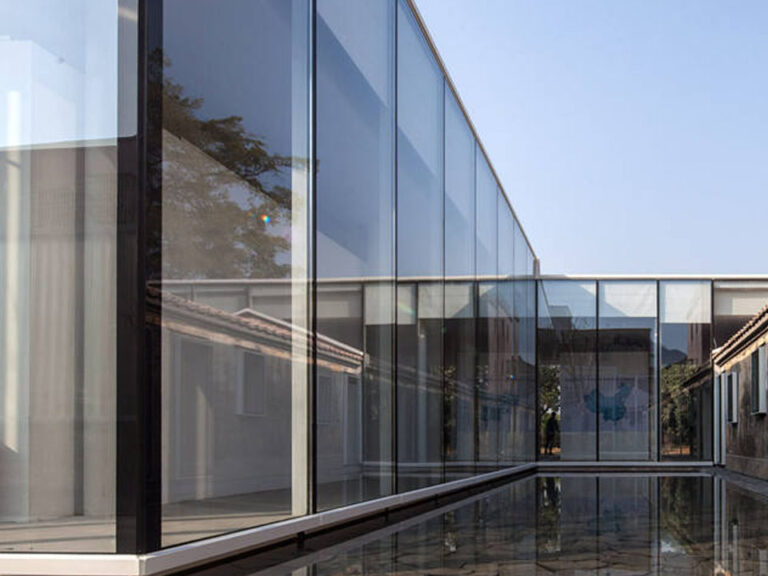
Perde duvar yüzeyi, mimarların stil unsurları gördüğü, müşterilerin ise bir yığın yükümlülük gördüğü yerdir.
Mahalle düzenlemeleri, yangın güvenliği, arka panel yalıtımı, spandrel tanımlaması, enerji verimliliği, kuş dostu cam, gündüz yansıma oranı ve sismik sapma gibi unsurları etkileyebilir. Örneğin, isteğe göre renklendirilmiş spandrel perdeli duvar yüzeyi camı, renk örneği işin kolay kısmı. Zor olan kısım ise termal gerilimin, kaplama uyumluluğunun, seramik frit davranışlarının, ısıl işlemin, kenar kesiminin, karanlık oda sıcaklığının ve spandrel bölgesinden duvar alanının hiçbir zaman üstlenmediği bir işlevin yerine getirilmesinin istenip istenmediğinin doğrulanmasıdır.
Ve elbette, “onaylı numune benzeri” gibi ifadeler konusunda şüpheciyim. Numuneler rüzgâr yükünü taşımaz. Numuneler enerji verimliliği standartlarını karşılamaz. Numuneler, temperli spandrel camın çıkarılabilir etiket kullanıp kullanamayacağı konusunu ele almazken, diğer çeşitli sertleştirilmiş cam türleri için kalıcı tanımlama gerekliliğini ele almaz.
Değişikliklerin Son Düzeltme Aşamasını Engellemesini Nasıl Önleyebiliriz?
Görünüşü hoş olmayan bir şekilde başlayın.
Şematik tasarım aşamasına geçmeden önce geçerli yönetmelik tablosunu inceleyin. IBC/IRC/IECC sürümlerini, bölgesel değişiklikleri, elektrik tesisatı yönetmeliğini, yangın yönetmeliğini, erişim yönetmeliğini, okul/güvenlik kurallarını, tarihi alan kısıtlamalarını, rüzgârla taşınan enkaz bölgelerini, orman yangını sınır bölgesi kurallarını ve her türlü özel kriterleri belirleyin. Ardından, her cam açıklığını işlevine göre işaretleyin: kapı, yan pencere, koruma penceresi, duş, örtü, çatı penceresi, perde duvar, mağaza, asansör, onaylı kurulum veya özel koruma açıklığı.
Ardından, teklif formunda varsayımların ayrı olarak belirtilmesini sağlayın. “Gerektiği kadar katılaştırılmış cam” ifadesini kabul etmeyin. Görünüm, yoğunluk, ara katman, kaplama, gaz dolgusu, ara parçası, inceleme şartları, etiketleme yöntemi, ısıl işlem, kenar işleme ve hesaplamaların dahil olup olmadığı gibi hususları zorunlu kılın.
Sonuç olarak, yetkili makamın yorumuna yer bırakın. Yapı yetkilisi, hesap tablonuz için bir onay damgası değildir. Yetkili makam, bölgesel bir değişikliği tahmincinizden çok daha dar bir şekilde yorumlayabilir ve genellikle yetkili makamın sözü geçer.
Sıkça sorulan sorular
Yönetmelik değişiklikleri cam kaplama ihtiyaçlarını nasıl değiştiriyor?
İdari değişiklikler, bir versiyon koduna yerel, eyalet veya kurum düzeyinde yapılan düzenlemelerdir; bu düzenlemeler, güvenlik ve emniyet, enerji, yangın, rüzgâr, erişim ve değerlendirme konularındaki camlama gerekliliklerini artırabilir, azaltabilir, netleştirebilir veya değiştirebilir; bu durum, çalışma grubunun aynı IBC, IRC veya IECC sürümü kapsamında çalıştığını düşünse bile, bu değişiklikler plan inceleyicileri ve denetçiler tarafından kullanılan yasal referans temelini değiştirir. Uygulamada bu, model kod kapsamında kabul edilebilir bir cam türünün, benimsenen yerel kod kapsamında yetersiz kalabileceği anlamına gelir.
Güvenlik ve emniyet camı gereklilikleri ne zaman beklenenden daha katı hale gelir?
Güvenlik camı gereklilikleri, bir değişiklikyle “tehlikeli yer” tanımının genişletilmesi, mahalle tanıma düzenlemelerinin eklenmesi, kabul edilebilir cam türlerinin kısıtlanması veya kapılar, yan camlar, korkuluklar, duşlar, okullar, spor alanları, asansörler ya da darbeye maruz kalma riski yüksek diğer açıklıklar için yapı yetkilisi tarafından onaylanan test kanıtlarında değişiklik yapılması durumunda değişir. Daha katı sonuçlar, lamine sertleştirilmiş cam, Kategori II darbe dayanıklılığı, kalıcı işaretlemeler veya ek atölye test kanıtları gerektirebilir.
Bina yönetmeliğinde pencere ve kapı ile ilgili gereklilikler nelerdir?
Pencere gereklilikleri, konut pencereleri, çatı pencereleri, perde duvarlar, camlı kapılar ve diğer çeşitli ışık geçirgen dış cephe elemanları için geçerli enerji yönetmeliği kurallarıdır; bunlar genellikle U-faktörü, güneş ısısı kazanım katsayısı, hava sızıntısı, görünür ışık geçirgenliği, alan kısıtlamaları ve ticari ve konut projelerinde sıklıkla iklim bölgesine özgü verimlilik sınıfları aracılığıyla belirtilir. Bu gereklilikler, özellikle iddialı enerji hedefleri olan şehirlerde, bölgesel değişikliklerle değiştirilebilir.
Cam kaplama yönetmelik gereklilikleri neden başvuru reddedilmelerine yol açıyor?
Bir cam sistemi sunumu, ürün verileri, etiketleme, test kayıtları, termal değerler, rüzgâr yükü hesaplamaları veya imalat çizimleri model yönetmeliğe uygunluğu teyit etmesine rağmen, bölgenin benimsediği değişikliklere, ertelenmiş sunum düzenlemelerine, yerel enerji tablolarına veya projeye özgü tehlikeli konum analizlerine uygunluk göstermediğinde strateji değerlendirmesinden geçemez. Bu başarısızlık genellikle ilk etapta prosedürel, ikinci etapta ise teknik niteliktedir. Camın kendisi mükemmel olabilir; ancak kanıtlar hatalı olabilir.
Bir müteahhit, özel üretim cam siparişi vermeden önce neleri doğrulamalıdır?
Bir hizmet sağlayıcı, özel cam satın almadan önce benimsenen kod sürümünü, yerel bina yönetmeliği değişikliklerini, güvenlik camı alanlarını, güç değerlerini, gerekli test şartlarını, uzun vadeli işaretleme kurallarını, mimari hesaplamaları, yapı uyumluluğunu ve yetkili makam (AHJ) analizini doğrulamalıdır. İşte bu şekilde, üretilmiş bir sistemin pahalı bir hurdaya dönüşmesini önleyebilirsiniz. Sertleştirilmiş, lamine, kavisli, katmanlı veya korumalı cam üretildikten sonra, ayarlama seçenekleri hızla azalır.
Cam Planını Varsayımlara Değil, Değişime Göre Oluşturun
Başarıya götüren adım, “daha iyi cam” satın almak değildir. Benimsenen mahalle kurallarına uygun camı temin etmektir.
Teklif talebiyle birlikte değişiklik matrisini gönderin. Üretimden önce inceleme kanıtı gereklidir. Cam, yapı, etiket, kaplama ve montaj koşullarını genel model kod paragrafına değil, ilgili yetki alanına uygun hale getirin. Projede büyük boyutlu, güvenlik, enerji, mahremiyet, kaplama, perde duvar yüzeyi veya ıslak alan camları varsa, şartnameyi fizik kuralları eklenmiş bir yasal belge olarak değerlendirin.


Yönetmelik ve Kapsam Anlaşmazlıklarını Önleyen Uygulama Çizimi Notları