Reliable Glass Manufacturing For Industrial & Architectural Projects
We are a leading glass manufacturer based in China, specializing in high-quality glass solutions for industrial and architectural applications. With years of experience and ISO certification, we provide fast, tailored quotes and responsive support for procurement professionals, engineers, and project managers worldwide.
Lynn Lee
Founder
Reliable Glass Manufacturing For Industrial & Architectural Projects
We are a leading glass manufacturer based in China, specializing in high-quality glass solutions for industrial and architectural applications. With years of experience and ISO certification, we provide fast, tailored quotes and responsive support for procurement professionals, engineers, and project managers worldwide.
I’ve been in and around glazing plants and job sites long enough to know one thing: “tempered glass” is a category, not a single SKU on a quote sheet. You’ll hear architects, engineers, and regulators use the same word while meaning very different materials. But the backbone of all tempered glass is the heat‑treatment process — the same thermal compression physics that makes it roughly four‑to‑five times stronger than ordinary annealed glass.
I also know that the nuances of tempered glass categorization matter when you’re sizing up costs, code compliance, and performance in the field. So let’s get precise.
Table of Contents
What “Tempered Glass” Really Means
Tempered glass (aka toughened glass) is annealed glass that’s been heated to ~1100°F+ and quenched rapidly, driving compressive stress to the surfaces and tensile stress inside. That’s the molecular trick that toughens it and makes it break into small granular pieces instead of dangerous shards.
This isn’t marketing fluff — federal safety rules like CPSC 16 CFR 1201 and standards such as ANSI Z97.1 specifically define how safety glazing products must behave when impacted.
Core Types of Tempered Glass
In industry parlance, tempered glass splits into a few distinct performance and form categories:
Category
Key Traits
Typical Uses
Standard Flat Tempered Glass
Fully toughened, maximizes strength (4× annealed)
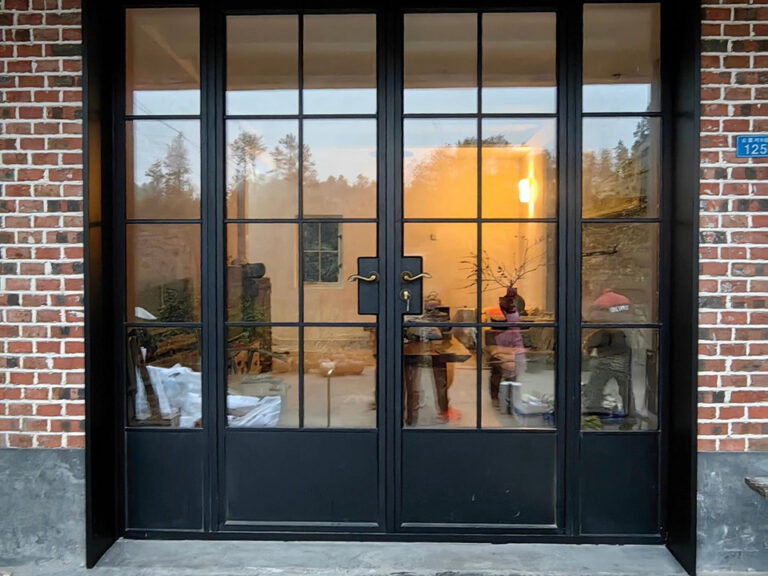
Commercial doors, shower walls, partitions
Heat‑Soaked Tempered Glass
Pre‑stress screened to reduce spontaneous breakage risk
High‑rise facades, curtain walls
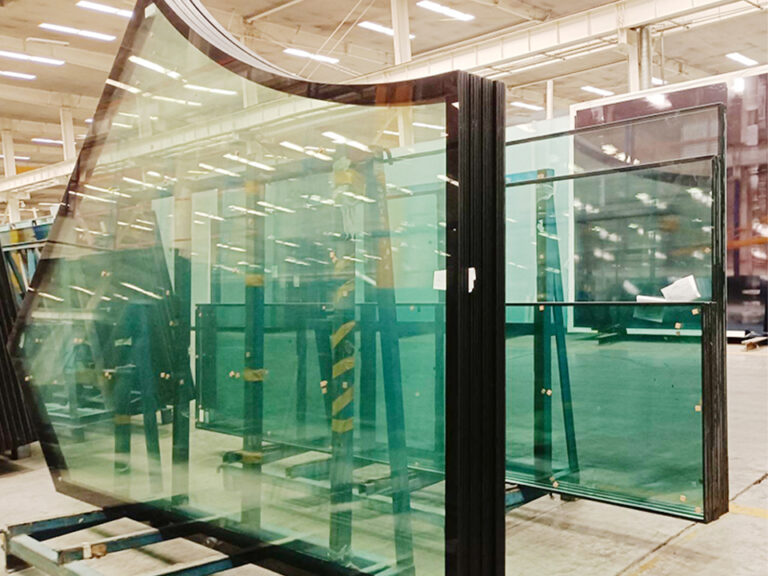
Curved / Bent Tempered Glass
Thermally formed into shapes before quenching
Architectural features, balustrades
Extra Large / Jumbo Tempered Glass
Fabricated at scale with specialized quench lines
Storefronts, large curtain wall panels
Low‑Iron Ultra‑Clear Tempered Glass
Minimal iron content, high clarity
Display cases, museums, high‑end windows
Coated or Functional Tempered Glass
Combined with Low‑E, anti‑reflective or other coatings
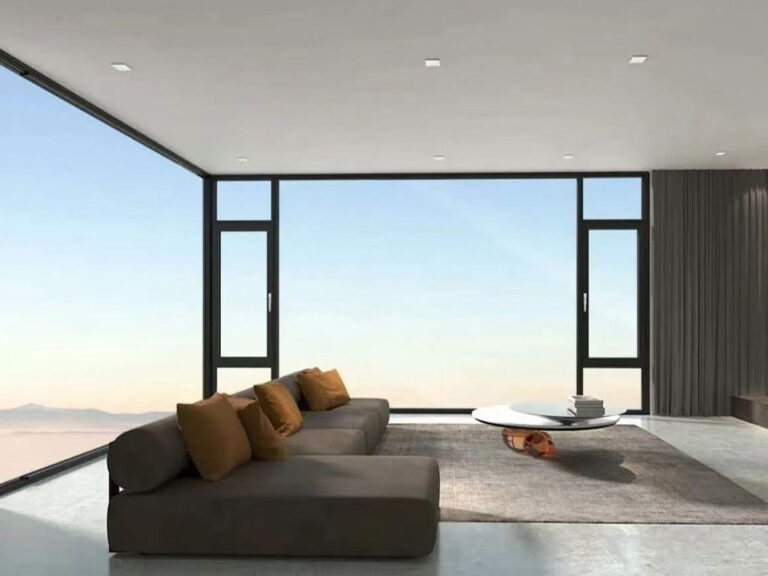
Energy‑efficient and glare‑controlled window systems
Note: Those links go to different tempering product and service pages that a typical buyer would encounter.
Why These Types Exist
Tempered glass isn’t a monolith because different applications place different performance requirements on glass. A shower door doesn’t need the same strength profile as a hurricane‑zone façade, and neither fits the bill solely because they share the “tempered” label. Building codes can even mandate tempered in some locations regardless of performance intent.
Here’s how that plays out in practice:
Doors and wet areas — Almost always require safety glass (tempered or laminated) because breakage risk from impact is high.
Windows near egress or walking surfaces — Codes often force tempered glazing if within 24 in of a door or low to the floor.
Curtain walls and large panes — Designers sometimes pick heat‑soaked tempered glass to mitigate spontaneous breakage due to nickel sulfide inclusions.
How Tempered Glass Is Made
You can’t cut or drill tempered glass after it’s heat‑treated. That’s a key production constraint insiders always stress.
True process:
Annealed glass is pre‑cut to final dimensions.
It’s heated uniformly in a furnace to ~600 °C+ (~1112 °F).
High‑pressure air quenches the glass from all sides.
The outside cools faster than the core, locking surface compression in place.
Some applications add a heat‑soak step — holding glass at ~290 °C to pre‑break any pieces with nickel sulfide impurities.
This rapid cooling is the physics that gives tempered glass its strength and failure mode — and also the reason it can’t be worked on after tempering.
Where Tempered Glass Saves Lives
Let me be blunt. Many marketing claims suggest tempered glass is a “security upgrade.” But strength doesn’t equate to forced‑entry resistance. Tempered glass breaks safely, but it still breaks. Studies of home intrusion suggest specialized laminates or ballistic glazing outperform it where break‑in resistance matters.
What tempered glass does do is control fragmentation — reducing severe injury risk when people collide with glass or when vibrations from wind or thermal stress cause failure. It’s safety glass by code and by definition.
Common Applications (and My Hard‑Won Opinions)
Tempered glass shows up everywhere, but not always for the reasons you think:
Windows within hazardous zones — Not optional under many codes.
Shower doors and enclosures — Standard safety spec.
Storefronts and curtain walls — Structural and aesthetic choice, often paired with IGUs.
Interior partitions and balustrades — Market default for safety glazing.
Functional coatings — Low‑E, anti‑reflective, easy‑clean options pair well with tempering for performance windows.
Tempered vs Heat‑Strengthened vs Laminated (Short Reference)
Material
Safety Behavior
Strength
Typical Code Use
Tempered
Shatters into granular pieces
~4× annealed
Required in hazardous areas
Heat‑Strengthened
Large shards on breakage
~2× annealed
Strength, no safety rating
Laminated
Pieces held by interlayer
Variable
Highest safety/security
Tempered is not interchangeable with “safety glass” in every context — it’s one option in a broader safety glazing taxonomy.
FAQs
What is tempered glass? Tempered glass is a type of safety glass that’s made stronger through a special process. It’s heated and then cooled quickly, making it up to five times stronger than regular glass. If it breaks, it shatters into small, less harmful pieces.
How is tempered glass made? To make tempered glass, regular glass (called annealed glass) is heated to very high temperatures and then cooled rapidly using air jets. This creates a strong surface layer under tension, which increases its durability.
What types of tempered glass exist? There are several kinds of tempered glass, including standard flat tempered, heat-soaked tempered, curved or bent tempered, extra-large tempered, low-iron tempered, and coated tempered glass. Each is designed for specific uses and needs.
What are the benefits of tempered glass? Tempered glass is tough, resists breaking easily, and when it does break, it’s safer. It also handles high heat better and meets various safety standards.
Where is tempered glass needed? Building codes often require tempered glass in places like doors, windows near the floor, and shower areas, where the risk of injury from glass breaking is higher.
If You’re Choosing Right Now
I recommend starting with a project risk assessment: consider impact risk, code triggers, and desired performance. Don’t buy “tempered glass” as a one‑size label. Get specific specs — thickness, finish, coating — and match them to your application. Then talk to a fabricator who understands the difference between tempering lines and application needs.
If you’d like tailored guidance for your project — whether thermal windows, architectural glazing, or safety assemblies — reach out via The Insulated Glass Contact Page or explore their case studies for real project references.