We are a leading glass manufacturer based in China,
Specializing in high-quality glass solutions for industrial and architectural applications.
With years of experience and ISO certification, we provide fast, tailored quotes and responsive support for procurement professionals,engineers, and project managers worldwide.
We are a leading glass manufacturer based in China,
Specializing in high-quality glass solutions for industrial and architectural applications.
With years of experience and ISO certification, we provide fast, tailored quotes and responsive support for procurement professionals,engineers, and project managers worldwide.
Retrofitting 1/4-Inch Glass to 1-Inch IGUs in Legacy Frames
Most shops bluff. I’ve sat in enough pre-bid meetings to know how this pitch usually goes: someone waves around a center-of-glass number, someone else says “it’ll fit,” and nobody wants to be the irritating person who asks about rabbet depth, glass bite, sash sag, hinge load, or whether the frame is so corkscrewed that a shiny new unit will just inherit old problems at a higher price. Then the callbacks start. According to the U.S. Department of Energy, windows are still responsible for 25%–30% of residential heating and cooling energy use, which is exactly why people keep trying to force modern insulated units into yesterday’s joinery.
It can work. Usually.
But “can” is cheap language in this trade. A 1-inch IGU retrofit is not a casual single-pane to double-pane conversion. It’s a section-detail problem, a weight problem, a drainage problem, and sometimes a preservation problem wearing a salesman’s smile. I frankly believe half the bad retrofit double glazing jobs I see were doomed before the glass was ever ordered.
Table of Contents
The frame decides first, not the brochure
Here’s the ugly truth: most legacy window frame retrofit decisions are settled by three ugly measurements—available glazing pocket depth, minimum glass bite, and added sash weight. Miss one, and the whole thing turns into shop fiction.
And that’s before you get into frame movement. Old wood can be strong, yes, but it can also be dry at the face and punky at the core. Old metal frames look tough until you notice the pocket is shallow, the stops are inconsistent, and the fastener line is too close to the edge to survive a deeper build-up. I’ve seen installers call that “field tolerance.” I call it a boomerang.
Why insulated glass retrofit jobs go sideways so fast
Bad surveys ruin good glass. Not complicated.
Yet the sales copy always hovers around coatings and gas fill because those look impressive on paper, while the expensive stuff lives in the site conditions: twisted sash, painted-shut stops, hidden rot, old putty shoulders, and weird non-parallel pockets that make a clean 1-inch IGU retrofit much harder than the estimate implied. The federal case study at Eau Claire is the sort of thing people in our world should read with a pencil in hand, not a coffee in hand: during evaluation, some panels detached, and 27 of 287 units—9%—were affected before the vendor corrected the issue. That wasn’t some apocalyptic failure. It was something more common: a detail that looked fine until it met real life.
So when somebody asks me, “Can insulated glass units be retrofit into existing frames?” my answer is annoyingly conditional. Yes—if the section is honest, the frame is stable, and the hardware isn’t already one hot summer away from giving up.
The part nobody wants to price: lead, code, and glass location
Now for the stuff estimators like to mumble through. If you’re opening up pre-1978 conditions, lead risk is not some side note tucked behind the proposal. In October 2024, EPA finalized stronger requirements for pre-1978 homes and childcare facilities, reducing hazardous dust-lead thresholds from 10 µg/ft² on floors and 100 µg/ft² on window sills to any reportable level, and also tightening post-abatement action levels. That matters the second you start disturbing stops, sills, or painted interiors.
And, no, historic status does not magically erase safety rules. The National Park Service is blunt about it: replacement glazing in hazardous locations still has to meet new-construction requirements. So if the opening is near a door, low to the floor, or otherwise in a hazardous zone, your “retrofit” spec may need to jump from ordinary annealed thinking into a safety-glazing package whether the budget likes it or not.
The glazing package should earn its keep
This is where I get opinionated. Most failures blamed on installation were really bad specs with good PR.
If I’m trying to make retrofit double glazing existing frames actually worth doing, I don’t start with the thickest unit somebody can physically jam into the pocket. I start with climate, elevation, orientation, condensation exposure, occupant behavior, and visible-light expectations. That’s why I’d rather spec custom-size bulk low-E glass or broader energy-efficient door and window glass intelligently than chase a macho spacer thickness that looks impressive in cross-section and mediocre everywhere else.
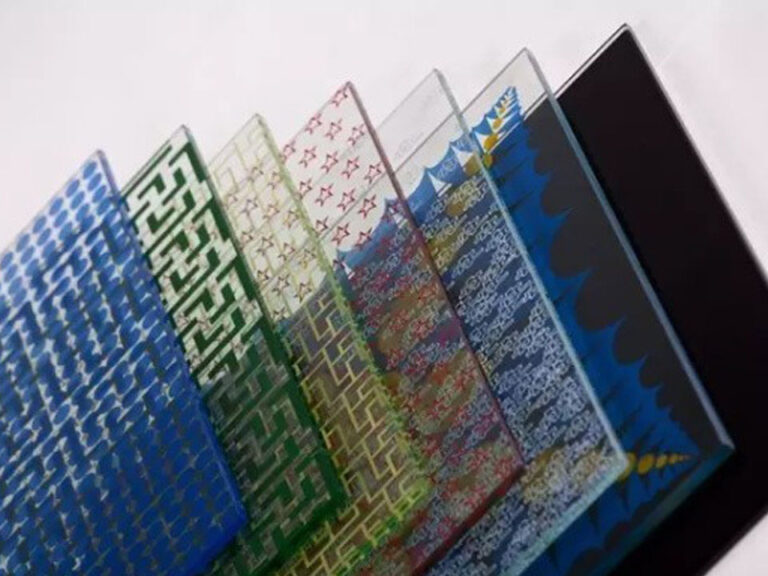
Looks matter too. More than people admit. The National Park Service says the clarity and reflectivity of clear window glass are significant characteristics, and any added coating must not perceptibly increase reflectivity. In plain English: if your retrofit makes a historic elevation look mirror-ish, green, or dead-flat in the wrong way, pros notice immediately. That’s why I sometimes reach for low-iron tempered glass on exposed work, and I only use patterned IGU options for decorative use where the obscurity belongs there historically.
And when the opening slips into a hazardous location, or the owner wants better post-breakage behavior, I don’t wait for the submittal fight—I drag clear laminated safety glass into the conversation early. That saves time. Usually money too.
Preservation people are not the enemy
I know, I know. Contractors love rolling their eyes when landmarks review comes up. I don’t. From my experience, the preservation folks are often the only people in the room asking whether the building will still look like itself after the “upgrade.”
New York City’s Landmarks Preservation Commission put it pretty plainly in its November 2024 fact sheet: existing historic windows in fair or good condition can be repaired and retrofitted, many energy-efficiency upgrades don’t require a permit, and replacement is still an option when windows are too far gone—but façade importance and matching requirements matter. That’s not bureaucratic fluff. That’s the actual decision tree.
So, no, the best insulated glass retrofit for old frames is not always “install the fattest IGU the shop can build.” Sometimes it’s a leaner insulated unit. Sometimes it’s secondary protection. Sometimes it’s repair now, glass later. And sometimes the grown-up answer is: don’t touch the section until the moisture path and frame movement are solved.
The payback math gets fuzzy faster than sales decks admit
This part gets buried all the time. IGUs age. Seals age. Coatings age. Real buildings are not laboratory specimens, and I’m tired of pretending otherwise.
A 2023 paper on insulating glass degradation pointed out that ratings and simulations often ignore durability and aging effects, which can understate annual building energy consumption by up to 14% in a typical Denver office-building model. The same paper also flags condensation effects as a real drag on cold-climate retrofit outcomes. So when somebody says, “The energy model says we’re good,” my next question is always, “For year one—or year ten?”
What I’d actually choose
Path
What actually changes
Thermal upside
Sightline risk
Code / preservation friction
Where I like it
Why it usually fails
Keep 1/4-inch glass and add secondary glazing
Original sash stays; interior or exterior secondary layer added
Moderate to high
Low
Usually moderate
Strong historic fabric, shallow rabbets, preservation-heavy work
Condensation management, attachment details, user acceptance
Mill or deepen stops for a direct 1-inch IGU retrofit
Existing sash/frame modified to accept thicker sealed unit
High
Medium to high
Medium to high
Already-altered frames with enough section depth
Not enough bite, distorted sash, overloaded hardware
Rebuild sash around a 1-inch IGU
New sash sections or major shop rebuild using old frame/opening
High
Medium
Medium
Legacy frames worth saving, but existing sash too light or too damaged
Budget shock, detail mismatch, poor survey control
Full replacement sash or frame
New factory-built insulated assembly
High
High on historic work
High on visible historic façades
Non-historic or badly deteriorated conditions
Visual mismatch, permit friction, false savings on character loss
My bias? Save the frame first. Then save the energy. If the section is deep enough, the wood or metal is sound, and the façade can tolerate the visual shift, a 1-inch IGU retrofit can be smart. If not, stop pretending and choose a different path.
FAQs
Can insulated glass units be retrofit into existing frames?
Yes, insulated glass units can be retrofitted into existing frames when the sash or frame has enough rabbet depth, stiffness, weather resistance, and glass-bite capacity to support the thicker assembly without distorting sightlines, overloading hardware, or triggering unresolved safety and preservation conflicts. After that, the field reality kicks in. A frame can be “technically possible” and still be a terrible candidate once you factor in movement, moisture, façade visibility, and labor.
How do you retrofit 1-inch IGUs into existing frames?
Retrofitting 1/4-inch glass to a 1-inch IGU means modifying the sash, stops, glazing pocket, and sometimes the frame itself so a thicker sealed unit can sit securely, drain properly, and comply with current safety, durability, and performance expectations in the actual opening. My version is less glamorous than the brochures: measure the true pocket, check the sash for twist, confirm hardware capacity, flag lead issues, then spec the unit. In that order.
What is the best insulated glass retrofit for old frames?
The best insulated glass retrofit for old frames is the one that improves thermal performance and comfort without pushing the existing frame past its structural, visual, code, or maintenance limits, which often means comparing a 1-inch IGU path against repair or secondary glazing before committing. I wish there were a sexier answer. There usually isn’t. Old buildings punish generic solutions, and the Eau Claire evaluation is a good reminder that detail failures show up fast when retrofit optimism outruns field conditions.
Is retrofit double glazing worth it in legacy frames?
Retrofit double glazing is worth it when the frame is worth saving, the section can physically accept the assembly, and the projected savings still make sense after you account for aging, condensation risk, labor, safety glazing, and preservation review rather than just the lab number on a glossy cut sheet. I’d do it on the right building. I would not do it blindly. DOE’s window-loss data explains the upside, while the 2023 degradation paper is the reality check on long-term performance.