We are a leading glass manufacturer based in China, specializing in high-quality glass solutions for industrial and architectural applications. With years of experience and ISO certification, we provide fast, tailored quotes and responsive support for procurement professionals, engineers, and project managers worldwide.

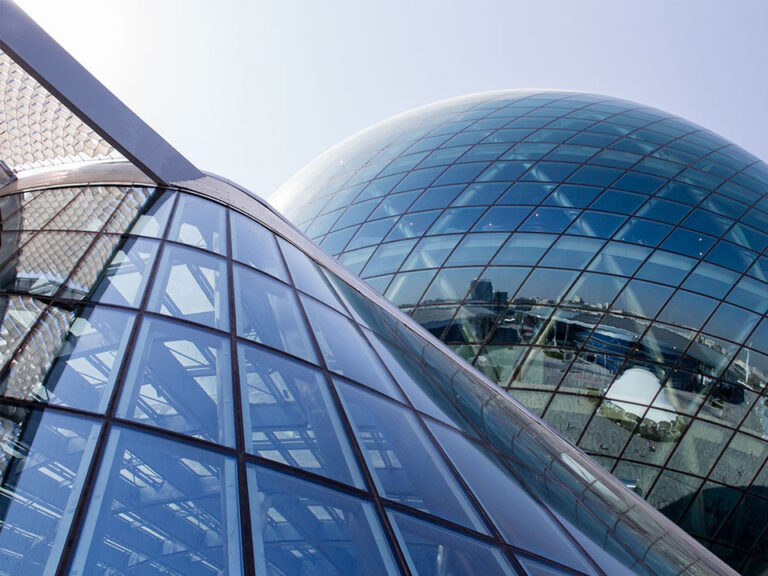
Can Low-E Coatings Be Used on Curved Architectural Glass?

Low-E coatings can be used on curved architectural glass, but not in the lazy, “just bend it later” way many project teams imagine. This article breaks down when bent Low-E glass works, when it fails, and what architects, façade consultants, and buyers should demand before approving it.
East- and West-Facing Glass: Smarter Solar Control Strategies

East- and west-facing glass is where lazy façade specifications get exposed. This guide explains how to control heat, glare, and comfort without killing daylight.
Low-E Surface Numbering: A Standards Guide for Buyers

A buyer’s field guide to Low-E surface numbering, coating placement, and standards language before a purchase order becomes a warranty fight. We decode surfaces #1–#4, NFRC ratings, inspection tricks, and the hard truth about supplier documentation.
Edge Deletion for Custom Coated Glass: When It Matters Most

Edge deletion is not a cosmetic step; it is a risk-control decision for custom coated glass, especially low-E insulated glass units. This article explains when it matters, when it does not, and why sloppy edge work can turn premium glass into a warranty argument.
Approved Equal Strategy for High-Value Glass Packages

An inflexible guide to obtaining approved equal glass plans defined without getting trapped by vague substitution language. We cover spec control, IGU performance data, pricing stress, façade risk, and the records that in fact move engineers.
Brise-Soleil vs Better Glass Specs: Which Delivers More?

Brise-soleil can beat far better glass specifications when the real trouble is direct sunlight, not U-value vanity. Yet bad geometry, poor positioning, and inexpensive detailing can turn façade shading right into expensive design.
Safer Overhead Glazing Build-Ups for Public-Facing Projects

Public-facing overhead glazing is not just a daylighting choice; it is a liability decision. This article breaks down safer glass build-ups, solar reflection damage, and the spec traps that melt materials, scare owners, and expose weak design teams.
Retrofitting 1/4-Inch Glass to 1-Inch IGUs in Legacy Frames

Most legacy frames were never built for a 1-inch insulated unit, and pretending otherwise is how callbacks begin. This piece explains where insulated glass retrofit works, where it turns into expensive theater, and how I would spec the glass package.
Warm-Edge Spacers in Retrofit IGUs: Worth the Upgrade?

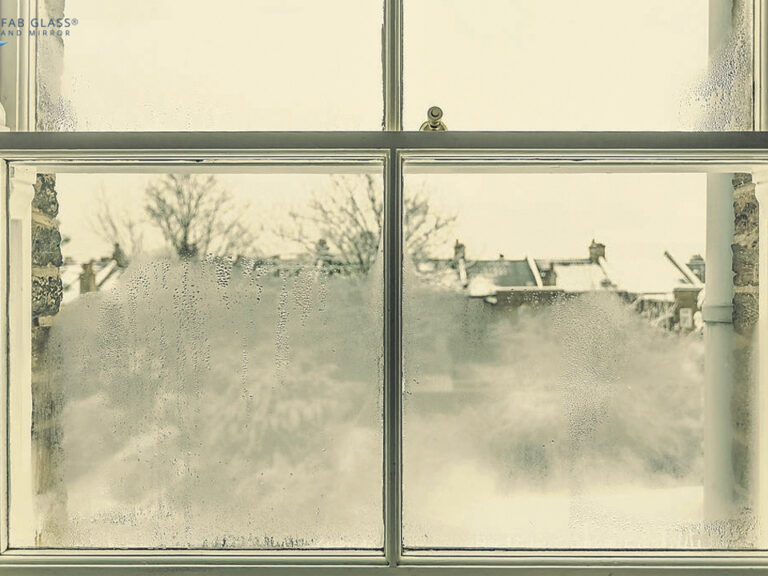
Warm edge spacers are not magic. But in retrofit insulated glass units, they often fix the part of the window that owners actually feel first: the cold, wet edge.
Hospitality Glass Packages That Reduce Condensation and Discomfort

Most hotel glazing specs still miss the real problem: interior-surface temperature, not just visible light or first cost. This piece breaks down the Low-E glass package details that actually reduce condensation, guest discomfort, and compliance risk.
Can Low-E and Ceramic Frit Share the Same Lite Safely?

Most glazing teams ask the wrong question. The real issue is not whether Low-E glass and ceramic frit can coexist, but whether they can coexist on the right surfaces, in the right IGU, without blowing up thermal stress, optics, or warranty.