We are a leading glass manufacturer based in China,
Specializing in high-quality glass solutions for industrial and architectural applications.
With years of experience and ISO certification, we provide fast, tailored quotes and responsive support for procurement professionals,engineers, and project managers worldwide.
We are a leading glass manufacturer based in China,
Specializing in high-quality glass solutions for industrial and architectural applications.
With years of experience and ISO certification, we provide fast, tailored quotes and responsive support for procurement professionals,engineers, and project managers worldwide.
Reflective Glass Damage: Can Solar Reflection Melt Materials?
That sentence bothers a lot of people in the glass business because it sounds like an accusation, and because nobody wants a premium energy-efficient window package rebranded as a neighborhood heat gun. But the physics is boringly real: sunlight hits reflective glass, the reflected beam concentrates on a smaller target area, the target absorbs heat faster than it sheds heat, and then the weakest material in the assembly tells the truth. Vinyl buckles. Turf shrinks. Trim waves. Paint chalks. Plastic furniture deforms.
Glass does this.
The uncomfortable part is not that reflective glass can redirect solar energy; every façade consultant knows that. The uncomfortable part is that residential projects often treat window reflection damage as a freak event rather than a predictable site-condition risk shaped by glass curvature, low-e coating choice, orientation, distance, siding color, wind, and seasonal sun angle.
So why are we still acting surprised?
Table of Contents
What Window Reflection Damage Actually Means
Window reflection damage is heat damage caused when glass reflects sunlight onto another material with enough intensity and exposure time to deform, discolor, soften, shrink, crack, or otherwise degrade that material. In practice, the claims usually involve vinyl siding, PVC trim, artificial turf, painted surfaces, cedar shingles, vehicle plastics, patio furniture, and pool covers.
The Department of Energy explains that low-emissivity coatings are microscopic metal or metallic oxide layers used to control heat transfer in insulated glass, and that these coatings can manage both daylight transmission and solar heat gain through the glazing system. That is the whole bargain: better energy performance inside, more complex optical behavior outside.
Hard truth: the window is rarely “defective” in the simple courtroom-drama sense. The siding is rarely “defective” either. The failure lives in the interaction.
A low-e unit may meet its NFRC label. A vinyl siding panel may meet its own specification. A builder may have installed both cleanly. Then March arrives, the sun angle shifts, barometric pressure subtly changes the insulated glass unit’s surface geometry, and a neighbor’s wall starts taking a concentrated beam at 1:40 p.m. for three weeks.
That is not magic. That is a missed risk model.
Why Low-E Window Reflection Becomes a Heat Problem
Low-e glass was sold to homeowners as efficiency. Fair enough. But efficiency is not innocence.
The Department of Energy defines Solar Heat Gain Coefficient, or SHGC, as the fraction of solar radiation admitted through a window, door, or skylight, either directly transmitted or absorbed and later released as heat. Lower SHGC generally means less solar heat transmitted indoors and more shading ability.
Here is where the industry tends to mumble: heat that does not enter the room does not vanish. Depending on the coating stack, pane geometry, exterior angle, and surrounding materials, some of that energy is reflected outward. If the glass is slightly concave, even by a small amount, it can behave less like a flat mirror and more like a weak solar concentrator.
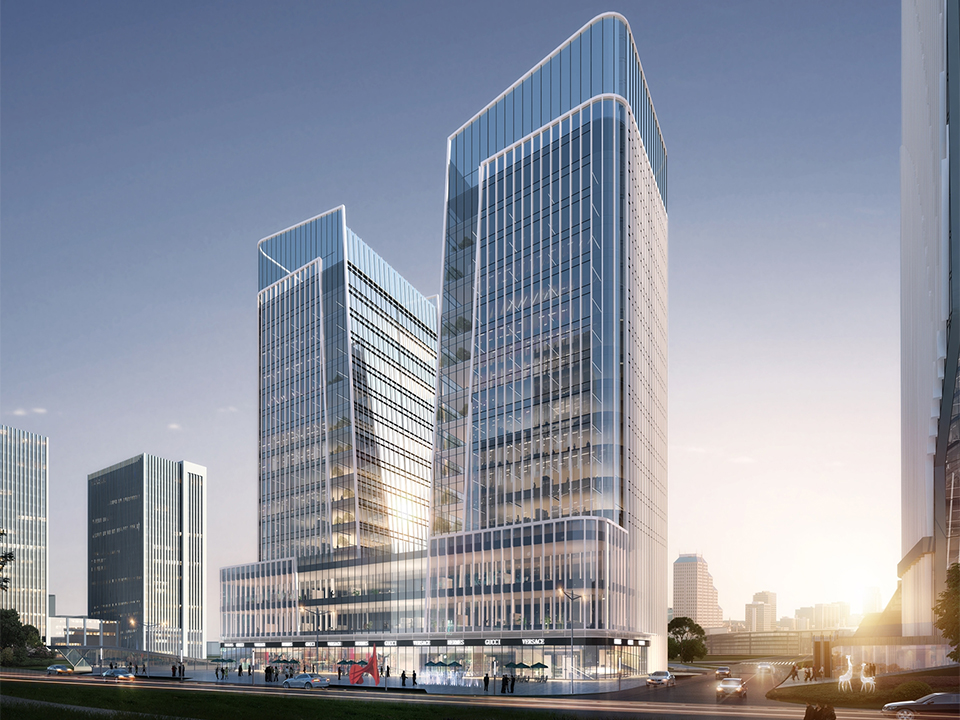
The big commercial case everyone remembers is London’s 20 Fenchurch Street, the “Walkie Talkie” building. Reuters reported in 2013 that intense sunlight reflected from the tower warped parts of a parked Jaguar, and the developers blamed the issue on the sun’s position during a limited seasonal window.
That was a skyscraper. Residential glass is smaller, but the failure mechanism is not exotic.
And no, it does not need Death Valley weather. NOAA reported that the contiguous U.S. summer of 2024 averaged 73.8°F, 2.5°F above average, making it the fourth-warmest summer in 130 years; Arizona, California, Florida, Maine, and New Hampshire each had their warmest summer on record. Warmer ambient conditions shorten the distance between “annoying glare” and “material distortion.”
The Materials Most Likely to Lose
Vinyl siding gets most of the attention because it fails visibly. It waves. It ripples. It creates that sickly, melted-panel look homeowners photograph from every angle before calling the builder.
Cardinal Glass’s technical bulletin on vinyl siding distortion cites an LBNL report placing vinyl siding heat-deflection temperature from 142°F to 192°F, with an average distortion temperature of 166°F; the same bulletin notes vinyl siding can soften and visibly distort at about 165°F.
That number matters because 165°F is not a mythical industrial temperature. A dark exterior surface, direct sun, low wind, and a reflected beam can get there faster than a warranty department wants to admit.
The Polymer Exterior Products Association, in its solar reflection guidance, says concentrated sunlight damage is infrequent but real, and recommends blocking the path of sunlight either to the window or between the window and the siding. It also states that other materials beyond siding can be harmed, including cups, bags, pool covers, car parts, painted surfaces, and cedar shingles.
The real list is longer. I would treat these as risk materials:
Material
Typical Failure Pattern
Why It Fails Under Solar Reflection
Practical Risk Level
Vinyl siding / PVC cladding
Warping, rippling, buckling, local melt-like distortion
Low heat-deflection range; dark colors absorb more energy
High
Artificial turf
Shrinkage, curling, fiber fusion, discoloration
Polyethylene and polypropylene fibers can deform under localized heat
High
PVC trim and window lineals
Bowing, twisting, surface distortion
Similar thermoplastic sensitivity to siding
High
Painted surfaces
Blistering, chalking, discoloration
Pigment, binder, and substrate heat at different rates
Medium
Cedar shingles / wood cladding
Drying, checking, surface scorching in severe cases
Organic material absorbs radiant heat and loses moisture
Medium
Vehicle plastics
Warped mirrors, badges, trim, seals
Small black plastic components absorb concentrated heat quickly
Medium to high
Tempered glass shelves or panels nearby
Thermal stress risk if unevenly heated
Glass tolerates heat, but dislikes uneven thermal gradients
Context-specific
For projects using specialty glass, this is why I prefer early coordination with suppliers that understand not only fabrication but field exposure. For example, when specifying customized project glass processing, the conversation should include solar orientation, reflectance, edge quality, coating position, nearby cladding, and the expected reflection zone—not just thickness, size, and lead time.
The Industry’s Dirty Little Liability Loop
Here is the part homeowners discover too late: everyone has an escape hatch.
The siding manufacturer may say the product was exposed to abnormal heat. The glass manufacturer may say the unit performs as rated. The installer may say the plans did not flag a reflection issue. The builder may blame the neighbor’s window. The neighbor may say, quite reasonably, “I did not aim the sun at your wall.”
And the homeowner stands there with melted vinyl siding from windows and a repair bill.
The Polymer Exterior Products Association notes that warranty terms vary, but damage from excessive or abusive conditions, including unnaturally concentrated sunlight, is generally outside normal warranty coverage. That is polite industry language for: you may own the problem even when you did not create it.
I do not like that answer. But it is often the operating reality.
This is why building teams should stop pretending reflective glass damage is merely a post-installation customer-service nuisance. It belongs in preconstruction review, especially when a project uses reflective low-e glass near vinyl, PVC, turf, synthetic decking, dark trim, or dense zero-lot-line housing.
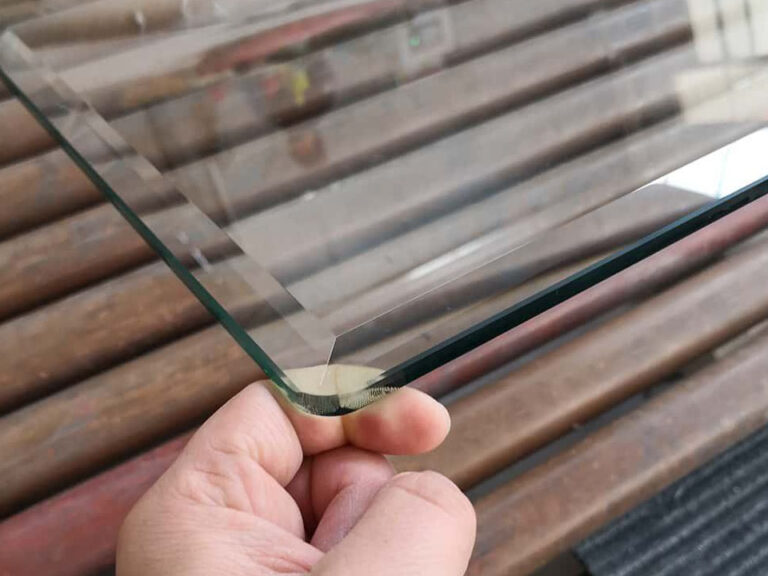
If the job involves interior glass packages, shower partitions, curved panels, or specialized architectural pieces, the same mindset applies. Even a beautiful piece of polished-edge flat tempered glass should be discussed as part of a thermal and optical environment, not as a disconnected object on a purchase order.
Can Reflective Glass Start a Fire?
Usually, no—and this distinction matters.
The Polymer Exterior Products Association states that the ignition temperature of vinyl siding is approximately 720°F to 750°F, far above temperatures reported even in extreme concentrated sunlight cases; it adds that reflected sunlight distortion changes the shape of vinyl but does not create the combustion conditions needed for dioxin formation.
So the usual risk is deformation, not open flame.
But do not let that become false comfort. A material does not need to ignite to create a claim, a replacement job, a neighbor dispute, or a defect allegation. In commercial and multifamily projects, a façade that scorches exterior finishes can become a reputational event long before it becomes a fire event.
I have a blunt view here: “It probably won’t burn” is a terrible design standard.
Why Curved, Bowed, and Insulated Glass Units Need More Respect
Flat glass reflects. Curved glass concentrates.
Insulated glass units can develop slight concavity or convexity due to temperature, altitude, manufacturing conditions, and pressure differences. The naked eye may not notice. The siding will.
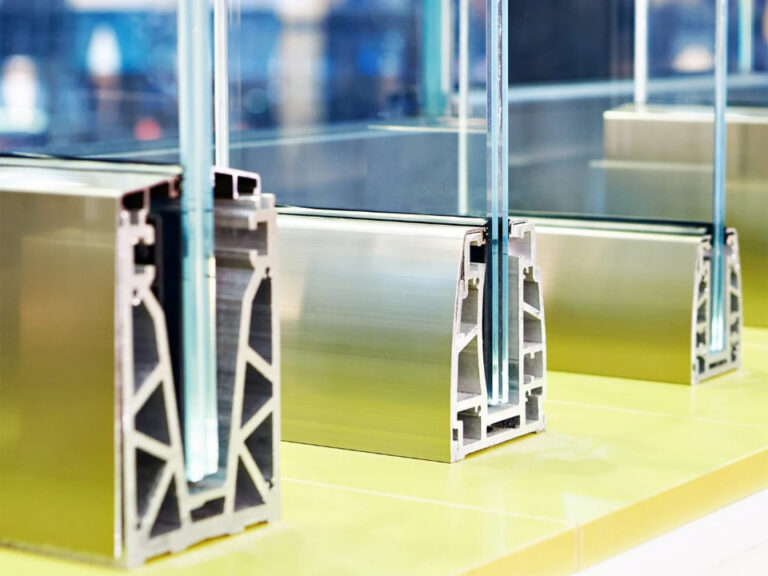
That is why curved shower glass, balustrade glass, security laminated glass, and smart glass partitions should not be treated as interchangeable rectangles with different marketing names. Their geometry, coating, location, and exposure matter.
If you are ordering custom radius curved shower glass, reflection may not be a neighborhood siding issue, but curvature still changes how light behaves. If you are specifying high-security laminated glass in an exposed exterior or semi-exterior zone, ask about interlayers, solar absorption, edge stability, and heat exposure. If your project includes smart glass for partitions, do not assume privacy performance tells you anything useful about reflected solar heat.
Different problem. Same discipline.
How to Investigate Solar Reflection Damage Without Guessing
The first mistake is replacing the damaged material before identifying the beam.
Do not do that.
A proper investigation should document the time, direction, material, temperature, and seasonality of the reflection. The damage pattern usually tells a story: a moving arc, a bright hot spot, repeated exposure at the same time of day, and distortion that does not match ordinary heat sources like grills, compressors, or dryer vents.
Here is the field checklist I would use:
Investigation Step
What to Record
Why It Matters
Time window
Exact time the glare hits, ideally over several days
Solar angle proves or disproves the reflection path
Surface temperature
Infrared thermometer readings on affected and unaffected areas
Shows whether the material entered distortion range
Wide shot plus close-up plus timestamped beam movement
Helps insurers, builders, and manufacturers evaluate claims
Seasonal repeat
Whether it occurs for days, weeks, or months
Many cases appear only during narrow sun-angle periods
If a glass component is being used as a shelf, guard, balustrade, partition, or exposed architectural element, I would also document edge finish and thermal exposure. Heat gradients punish weak edges. That is where tempered glass for shelf and appliance applications has to be specified with real-use conditions in mind, not just static load or visual clarity.
Prevention: Stop the Beam, Not the Argument
The most effective fixes are boring. That is good.
Screens, exterior shades, awnings, trees, trellises, projection fins, non-reflective films approved by the manufacturer, and surface substitutions can all work. The goal is not to win a philosophical fight about whether the glass or siding is “at fault.” The goal is to interrupt, diffuse, or redirect the beam before it reaches a vulnerable material.
The Polymer Exterior Products Association recommends blocking the sunlight path either to the window or between the window and siding, including strategic planting, sunshades, and screening that may reduce reflected energy.
My hierarchy is simple:
Fix
Best For
Weakness
Exterior solar screen
Neighbor-window reflection, low-cost mitigation
Appearance objections; maintenance
Awning or overhang
Repeat seasonal beam
Needs correct projection and angle
Planting / trellis
Residential side-yard conflicts
Slow growth; winter leaf loss
Manufacturer-approved window film
Some glass reflection cases
Can void warranties if wrong film is used
Replace target material
Chronic hot spot on vinyl or turf
Expensive; does not address source
Replace or reconfigure glass
Severe recurring cases
Highest cost; may require permits
Add diffusion element
Tight spaces, narrow beam
Must be tested in real sun path
One warning: never slap random aftermarket film on insulated glass without checking the glass maker’s warranty and thermal stress limits. I have seen that “solution” create a second claim.
The Specification Lesson for Builders, Architects, and Glass Buyers
The market wants high-performance glass, slim profiles, darker exteriors, tighter lots, synthetic lawns, and lower maintenance claddings. That combination has consequences.
We should say that plainly.
Reflective glass damage is not an argument against low-e windows. It is an argument against lazy specification. The right question is not “Can solar reflection melt materials?” The right question is: “What will this glass reflect, where will the beam land, during which dates, and what material is sitting there?”
For builders, that means reviewing elevations against neighboring façades and exterior finishes. For architects, it means treating reflectance as a design variable, not an afterthought. For suppliers, it means asking better questions before quoting glass. For homeowners, it means photographing the beam before replacing siding.
And for everyone selling “energy-efficient” as a one-word virtue: stop hiding the tradeoffs.
FAQs
Can solar reflection melt materials?
Solar reflection can melt, soften, warp, or discolor materials when reflected sunlight concentrates enough heat on a vulnerable surface for long enough to exceed that material’s thermal tolerance. The most common failures involve vinyl siding, PVC trim, artificial turf, vehicle plastics, painted surfaces, and other polymers exposed to focused low-e window reflection.
In plain terms, the glass does not melt the material like a torch. It redirects solar energy into a small zone. If that zone cannot shed heat fast enough, the material deforms.
What is window reflection damage?
Window reflection damage is property damage caused by sunlight bouncing off glass and heating another surface beyond its safe performance range. It is usually associated with reflective glass, low-e insulated glass units, curved or slightly bowed panes, and nearby heat-sensitive materials such as vinyl siding, turf, plastic trim, and coatings.
The damage often appears as rippling, buckling, melting, discoloration, shrinkage, or localized warping. It may only happen during certain weeks of the year because the sun angle changes.
Does low-e window reflection always cause melted vinyl siding?
Low-e window reflection does not always cause melted vinyl siding, because damage requires a narrow set of conditions: source glass angle, pane curvature, distance, target material, color, airflow, season, and exposure time must line up. When they do line up, however, vinyl siding can distort at surprisingly reachable temperatures.
That is why two identical homes can perform differently. One wall gets a harmless glare. Another gets a concentrated beam at exactly the wrong time.
Is reflective glass damage covered by warranty?
Reflective glass damage is often not covered by standard siding warranties because manufacturers may classify concentrated sunlight as an abnormal external heat source rather than normal weather exposure. Glass warranties may also deny responsibility if the window meets rated performance standards and no manufacturing defect is proven.
This is the ugly insurance-and-warranty gap. Documentation matters: timestamps, infrared temperature readings, source-window photos, and seasonal beam tracking can change the conversation.
How do you stop window glare from melting siding?
You stop window glare from melting siding by blocking, diffusing, or redirecting the reflected beam before it strikes the vulnerable surface. Practical fixes include exterior solar screens, awnings, approved window films, trees, trellises, shade structures, or replacing the target surface with a material more tolerant of localized heat.
The cheapest fix is usually a screen or shade at the source. The most expensive fix is replacing damaged siding again and again while ignoring the beam.
Can tempered glass or laminated glass prevent solar reflection damage?
Tempered glass or laminated glass does not automatically prevent solar reflection damage, because strength and safety performance are different from reflectance behavior. A glass product can be strong, code-compliant, and well fabricated while still reflecting sunlight onto a heat-sensitive surface under the wrong orientation and site conditions.
That is why specification should include coating, SHGC, visible reflectance, curvature, installation angle, nearby materials, and seasonal sun path—not just thickness and breakage behavior.
Final Word: Treat Reflection Like a Design Load
Window reflection damage is not a ghost story. It is a design load pretending to be a customer complaint.
If you are specifying, buying, or replacing glass, bring the reflection question into the first conversation. Ask where the sun goes. Ask what sits across from the window. Ask whether vinyl, PVC, turf, dark paint, cars, or wood will be in the reflection path. And when the project needs fabricated glass rather than guesswork, start with a supplier that can discuss factory-direct custom project glass as a performance component, not a commodity pane.