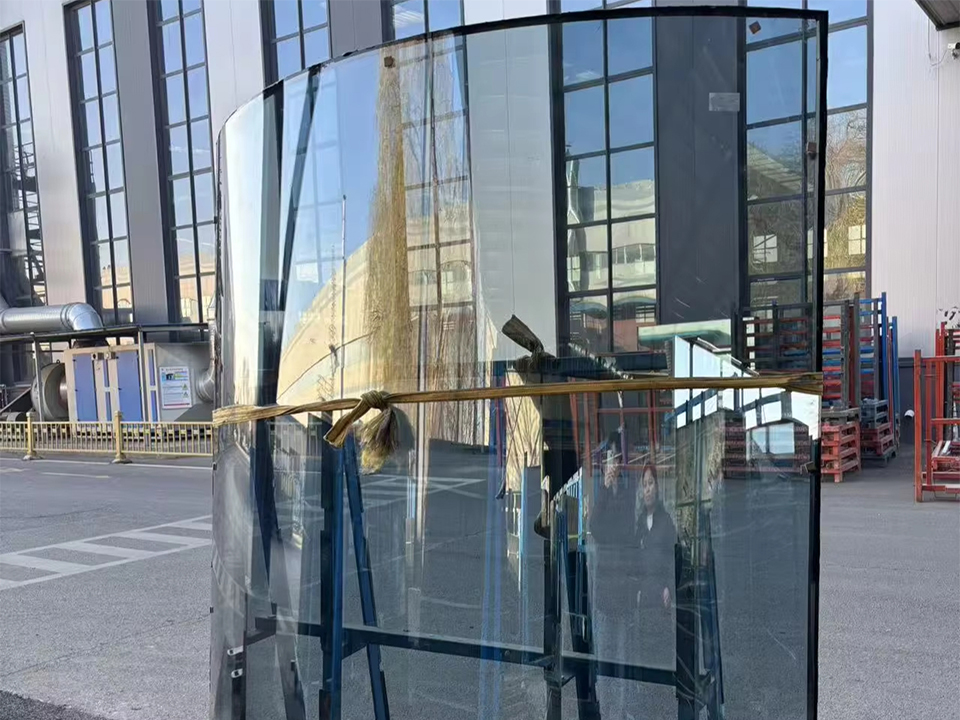
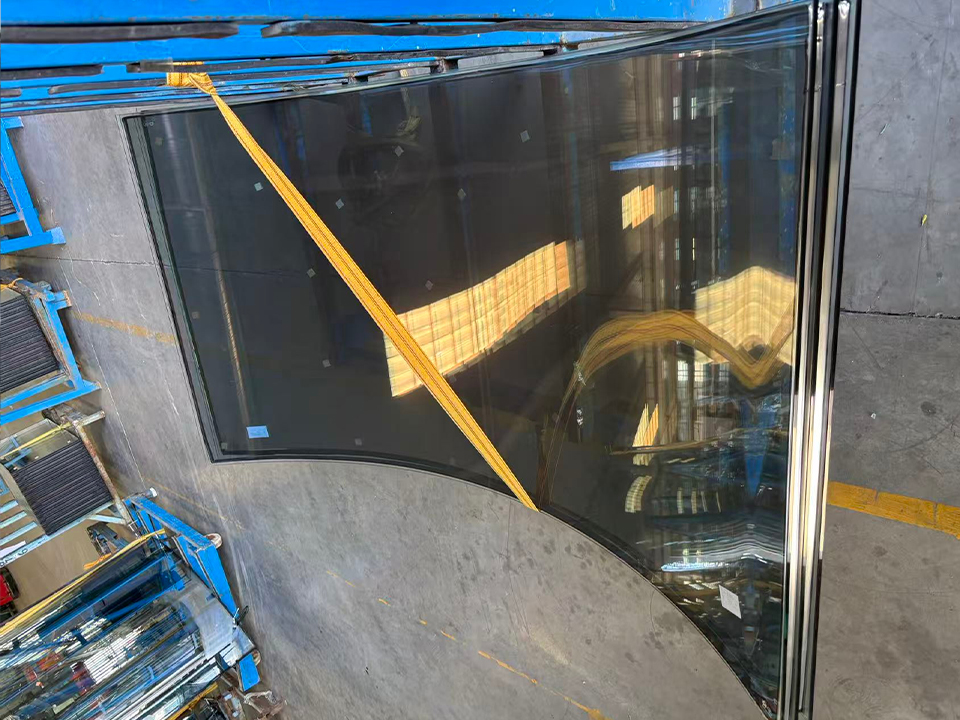
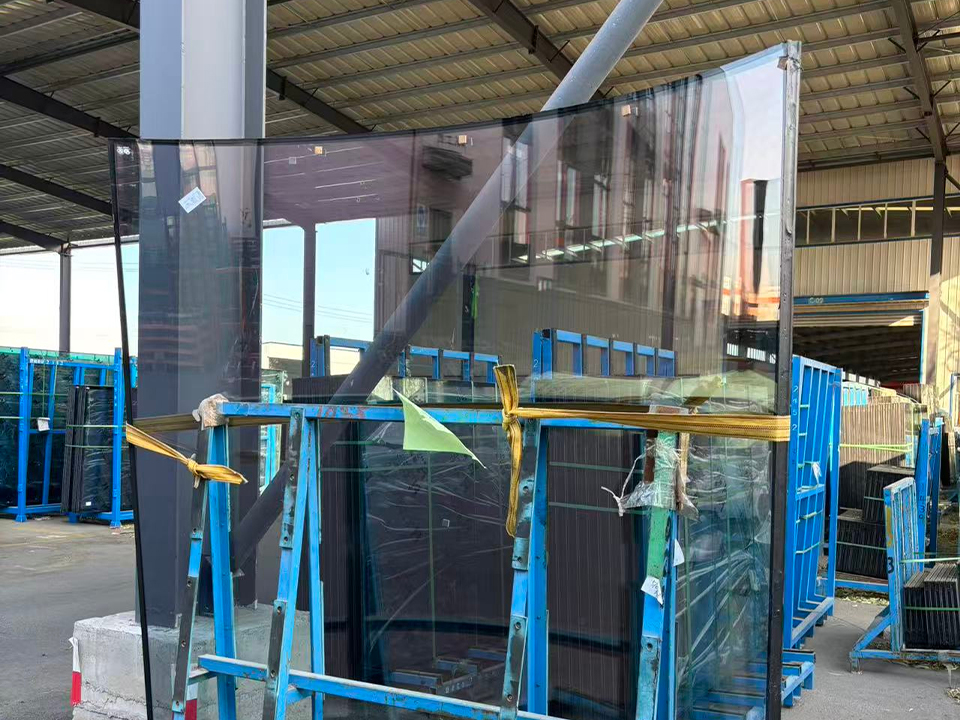
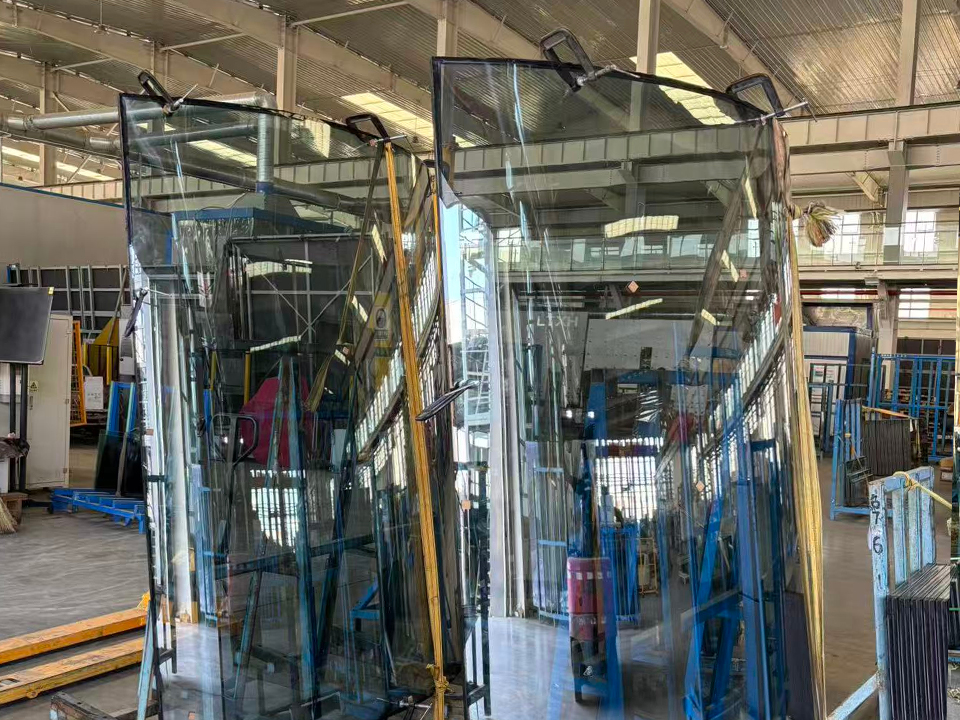
متخصصون في توفير حلول زجاجية عالية الجودة للتطبيقات الصناعية والمعمارية.
بفضل خبرتنا التي تمتد لسنوات وشهادة ISO التي حصلنا عليها، نقدم عروض أسعار سريعة ومصممة خصيصًا ودعمًا سريع الاستجابة لمتخصصي المشتريات والمهندسين ومديري المشاريع في جميع أنحاء العالم.
نحن شركة رائدة في تصنيع الزجاج مقرها في الصين،,
متخصصون في توفير حلول زجاجية عالية الجودة للتطبيقات الصناعية والمعمارية.
بفضل خبرتنا التي تمتد لسنوات وشهادة ISO التي حصلنا عليها، نقدم عروض أسعار سريعة ومصممة خصيصًا ودعمًا سريع الاستجابة لمتخصصي المشتريات والمهندسين ومديري المشاريع في جميع أنحاء العالم.
هل يمكن استخدام الطلاءات من نوع «لو-إي» على الزجاج المعماري المنحني؟
نعم، يمكن استخدام طلاءات «لو-إي» على زجاج المباني المنحني. لكن الحل الفعلي أكثر تعقيدًا: فنوع الطلاء، وطريقة الثني، وسلسلة تقوية الزجاج، والمسافة، وتصميم التجويف، وختم الحواف، وخطة المقاومة الخارجية، كلها عوامل تحدد ما إذا كانت الوحدة النهائية ستعمل كنظام فعال من حيث التكلفة أم ستصبح مرآة باهظة الثمن مزودة بعوازل حرارية.
فيما يلي الفخ.
يسأل معظم العملاء: “هل يمكنكم تصنيع زجاج ”لو-إي“ منحني؟”، في حين ينبغي أن يسألوا: «في أي مرحلة من مراحل التصنيع يتم استخدام طبقة «لو-إي»؟ وما هي المساحة السطحية التي ستوضع عليها؟ وما الذي يحدث للانبعاثية، والضبابية، ومتانة الختم الجانبي، وتباين الخصائص، والانعكاس بعد عملية الثني؟» هل ترى الفرق؟
لقد شاهدتُ بنفسي هذه المحادثة تتخذ منحىً جانبيًّا في مجالات الشراء. فالمهندس يريد واجهة منحنيةً خاليةً من العيوب، بينما يرغب خبير الطاقة في قيمة U منخفضة ومعدل SHGC أفضل بكثير، أما المقاول فيرغب في مورد يرد بـ«نعم» على الفور. أما المصنع، إذا كان نزيهًا، فيبدأ في طرح أسئلة محرجة تتعلق بمتانة التشطيب، وقيود المسافة، والتشبع الحراري، وموجة الأسطوانة، وموضع الطلاء، وما إذا كان الزجاج سيُصنع على شكل لوح منحني واحد، أو تركيبة مصفحة، أو زجاج عازل مخصص من نوع IGU.
وهنا تبدأ القصة الحقيقية.
الحل الموجز: نعم، ولكن ليس كل أنواع الزجاج ذي الطبقة المنخفضة الانبعاثية (Low-E) يمكن ثنيها
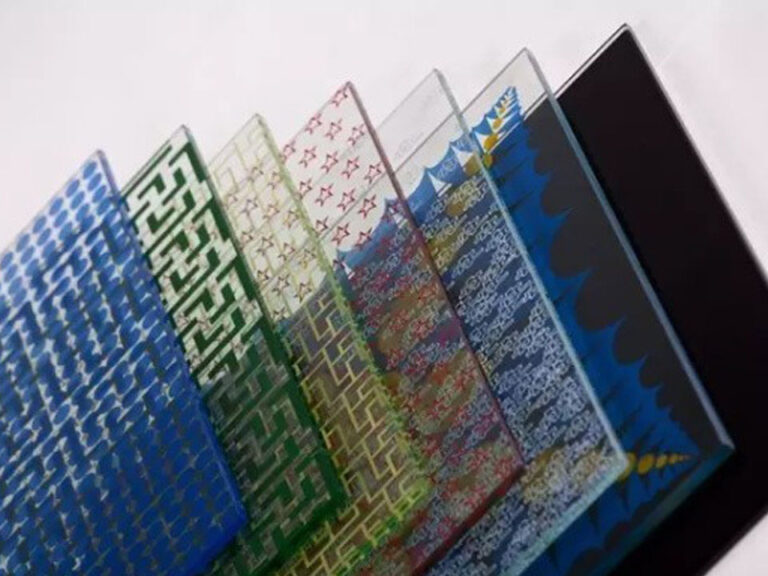
الزجاج من نوع «لو-إي» (Low-E) هو زجاج مغطى بطبقة رقيقة جدًّا من المعدن أو أكسيد المعدن على المستوى المجهري، وقد صُمم لتقليل انتقال الإشعاع الحراري. وفي مجال البناء، يعني ذلك عادةً عزلًا أفضل، أو تحكمًا أفضل بكثير في أشعة الشمس، أو كليهما معًا، خاصةً عندما تكون هذه الطبقة محمية داخل نظام زجاجي مزدوج أو ثلاثي الطبقات مصقول.
الطبقة النهائية رقيقة. رقيقة للغاية. نحن نتحدث هنا عن طبقات بمقياس النانومتر، والتي غالبًا ما تتضمن رواسب قائمة على الفضة في أنظمة «لو-إي» ذات الطلاء الناعم عالية الأداء. وهذا النحافة هي السبب في فعالية زجاج «لو-إي». كما أنها السبب في أن ثنيه ليس عملية سهلة.
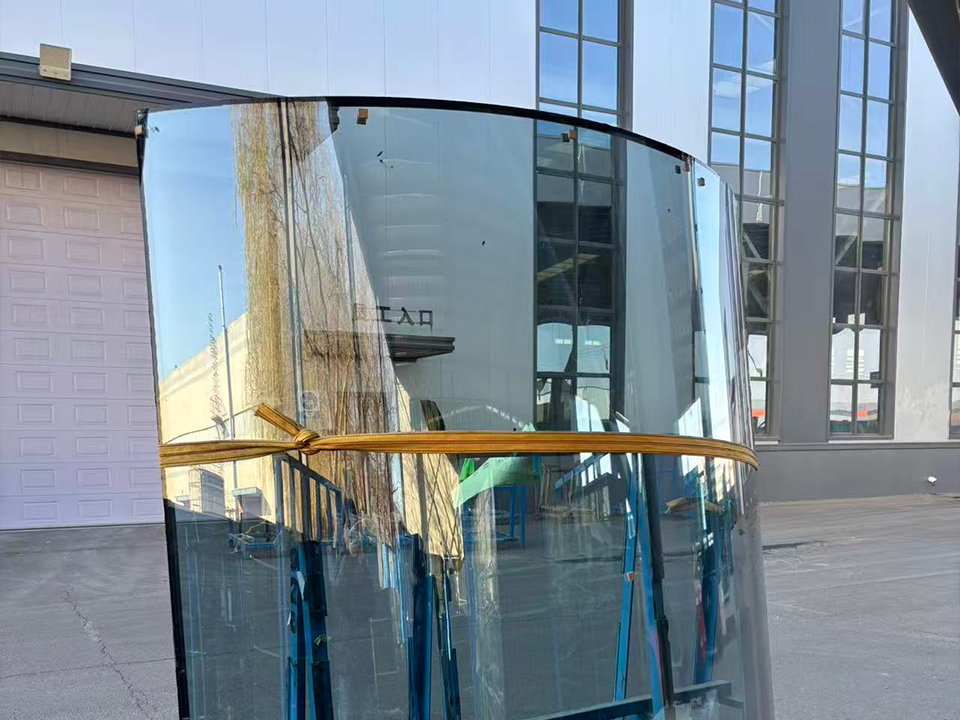
الحقيقة الصعبة: زجاج المباني المنحني يكون صلبًا بالفعل قبل أن يقوم أي شخص بتطبيق أي طلاء عليه.
تتصرف الألواح المستوية بشكل متوقع، أما الألواح المنحنية فلا. فهي تتسبب في تشوهات بصرية، وتمدد الانعكاسات، ومشاكل في التوافق مع العناصر المجاورة، ومشاكل في مقاومة الامتداد، وحساسية في التركيب. وإذا أضفنا طلاء «Low-E» إلى الزجاج المنحني، فسيتعين على فريق التصميم الخارجي التحكم في كل من الشكل الهندسي والكفاءة الحرارية. وهذا ليس مستحيلاً، لكنه ليس «سحرًا» يمكن تحمله من الناحية المالية.
لماذا تُعد طبقة «لو-إي» على الزجاج المنحني مسألة حساسة من الناحية التقنية
المشكلة الأساسية هي عدم التوافق. فالزجاج ينحني، أما الطلاءات فلا “تنحني” بنفس الدرجة من المرونة، خاصةً إذا كان الطلاء موجودًا على الزجاج بالفعل قبل عملية الثني.
خلال عملية الثني الساخن أو التصلب بعد الثني، يتعرض سطح الزجاج للحرارة والضغط، كما يتعرض لمخاطر التلامس. أما خلال عملية الثني البارد، فيتم إجبار الزجاج على اتخاذ الشكل المطلوب أثناء التركيب أو التصفيح، مما ينتج عنه توتر داخلي طويل الأمد. وأثناء عملية التصفيح، تضيف الطبقات البينية مثل PVB أو SGP أو EVA عواملها الخاصة: الحرارة، والضغط، وأمان الحواف، والتناسق البصري.
لذا، فإن السؤال لا يقتصر على “هل يمكن استخدام طلاءات Low-E على الزجاج المنحني؟”، بل هو “أي طلاء Low-E، وأي طريقة للثني، وأي نوع من التعرض المباشر للواجهة، وأي صيغة للضمان؟”
هناك 3 مسارات شائعة:
النهج
كيف يعمل
حالة الاستخدام المثالية
المخاطر الرئيسية
رأيي الشخصي
قم بالثني أولاً، ثم قم بالترصيف لاحقًا
يتم ثني الزجاج في البداية، ثم يتم وضعه في طبقات لاحقًا
الزجاج المسطح متعدد الطبقات ذو الطبقة المنخفضة الانبعاثية (Low-E) يكون مقوسًا أو مثنيًّا ومُقوىًّ
ألواح الواجهة المنحنية القابلة للتكرار
التلف الناتج عن عمليات التشطيب، والضبابية، وتغير درجة اللون، والتشوه
لا يُوصى باستخدامه إلا مع التشطيبات القابلة للمعالجة التي خضعت للفحص
استخدام طبقة «Low-E» داخل الزجاج العازل المزدوج المنحني
يتم تركيب الألواح الخارجية/الداخلية المنحنية في وحدات زجاجية معززة (IGU) مع سطح نهائي محمي
واجهات منحنية، ومناور، وغرف
ملاءمة الفاصل، القلق من الإغلاق، ثبات تسوس الأسنان
عادةً ما يكون هذا أحد أكثر المسارات منطقيةً
أنا أفضّل الخيار الثالث بالنسبة للعديد من المباني التجارية. ليس لأن هذا الخيار يبدو مكلفًا، بل لأنه يتيح للطبقة الخارجية أن تحافظ على سطح محمي من التآكل، وعادةً ما تكون مساحة السطح # 2 أو # 3، حيث تُستخدم طبقات Low-E في مشاريع الواجهات الصعبة.
الطلاء الناعم مقابل الطلاء الصلب من نوع «Low-E»: الفرق الذي غالبًا ما تُشوش عليه كتيبات المبيعات
يتم تطبيق طلاء «هارد-كوت لو-إي» (Hard-coat Low-E)، المعروف أيضًا باسم «اللو-إي الحراري» (pyrolytic Low-E)، خلال عملية إنتاج الزجاج المصقول بينما لا يزال الزجاج ساخنًا. وهو يلتصق بسطح الزجاج بقوة أكبر، ويتميز عمومًا بمقاومة أعلى بكثير. كما أنه يتحمل الظروف الصعبة بشكل أفضل بكثير، ويمكنه في بعض الحالات الصمود أمام مراحل البناء التي قد تتسبب في تلف الطلاءات الأقل صلابة.
تختلف تقنية «Soft-coat Low-E» عن غيرها. وعادةً ما يتم تطبيقها خارج خط الإنتاج عن طريق الترسيب بالرش المغناطيسي في الفراغ، باستخدام طبقات تعتمد على الفضة في الغالب. ويوفر ذلك أداءً أفضل بكثير في التحكم الحراري والشمسي، إلا أن الطبقة النهائية تكون أكثر هشاشة. وعادةً ما تتطلب حماية داخل تجويف الوحدة الزجاجية المزدوجة (IGU).
هذا التسوية مهمة.
إذا أخبرك أحدهم أن الزجاج ذي الطبقة الرقيقة منخفض الانبعاثية (Low-E) يمكن ثنيه دون تقديم وثائق إثبات، فاطلب معلومات الفحص الخاصة بالمشروع. واطلب معرفة طول الامتداد. واطلب معرفة المساحة السطحية المغطاة. واسأل عما إذا كان الزجاج قابلاً للمعالجة الحرارية. واسأل عما إذا كان المورد قد أنتج بالفعل في السابق نفس كثافة الزجاج، ونفس نوع التشطيب، ونفس الانحناء، ونفس تركيبة الوحدة الزجاجية المزدوجة (IGU).
ثم راقب تعابير وجههم.
بالنسبة لحزم الواجهات التي تركز على الطاقة،, زجاج واقي من نوع Low-E مصقول ثلاثي الطبقات قد توفر أداءً حراريًّا أفضل مقارنةً بوحدة الزجاج المزدوج المنحني القياسية. ومع ذلك، فإن الزجاج ثلاثي الطبقات ينطوي على وزن إضافي، وتعقيد في الفواصل، فضلاً عن ضغط وتوتر أكبر عند الحواف المنحنية. ويجب أن تستوفي المتطلبات هذه الكتلة الإضافية.
الزجاج المنحني ذو الطبقة المنخفضة الانبعاثية (Low-E) ليس منتجًا واحدًا، بل هو سلسلة من المنتجات.
يبدو أن عبارة “الزجاج المنحني ذو الطبقة المنخفضة الانبعاثية (Low-E)” تشير إلى تصنيف أحد المنتجات. لكنها ليست كذلك. إنها سلسلة إنتاج تنطوي على مخاطر كامنة في كل خطوة من خطواتها.
يجب أن تتضمن الخطة الجادة الخاصة بالزجاج منخفض الانبعاثية (Low-E) ما يلي:
أنواع الطلاء: الطلاء الصلب، والطلاء اللين، والطلاء اللين القابل للتقسية، والطلاء منخفض الانبعاثية (Low-E) للتحكم في أشعة الشمس.
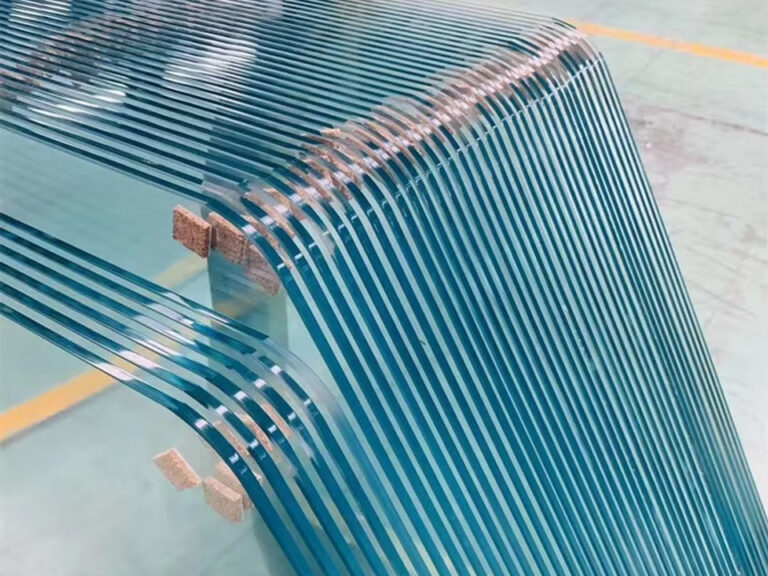
طريقة الثني: الثني على الساخن، الثني بعد التصلب، الثني على البارد، الثني للصفائح المركبة.
تفاوت المسافة: الحد الأدنى للامتداد، والتفاوت المسموح به، ومقاومة ارتفاع الوتر.
وضع الطبقة: السطح # 2، أو # 3، أو أي وجه آخر مقبول.
أجزاء الزجاج المزدوج (IGU) في البناء والتشييد: نوع الفاصل، مادة مانعة للتسرب، حجم تجويف الأسنان، حشو الغاز، نظام المجفف.
المعايير البصرية: التشوه، موجة الأسطوانة، التلألؤ، الضبابية، عدم التكافؤ في التمثيل.
قيم الأداء: قيمة U، معامل امتصاص الحرارة الشمسية (SHGC)، نفاذية الضوء المرئي، معامل الانبعاث.
إذا تجاهلت أحد هذه العناصر، فأنت لا تقوم بالتحديد. بل إنك تقامر.
من العوامل المفيدة في البداية الفصل بين نطاق إنشاءات الزجاج المقوس ونطاق الأداء الطاقي. على سبيل المثال، قد تقوم مجموعة العمل بتخصيص الموارد زجاج مصلب منحني من المصنع مباشرةً فيما يتعلق بالهندسة وأداء السلامة والأمن، ثم دمج ذلك في نظام زجاج مزدوج عازل منخفض الانبعاثية (Low-E) تم اختباره. وهذا نهج أكثر دقة من التظاهر بأن طبقة واحدة كفيلة بحل مشكلة الواجهة بأكملها.
الحالات التي يُستخدم فيها الزجاج المعماري المنحني فعليًّا مع طلاءات «لو-إي»
ومن الأمثلة البارزة على ذلك الزجاج المنحني المستخدم في تغطية الجدران. لكن هذا ليس سوى جزء واحد فقط.
تظهر طبقة «Low-E» على الزجاج المستدير في:
واجهات أماكن العمل المنحنية
غرف الفندق
مباني المطار
واجهات متاجر التجزئة الفاخرة
مغلفات المتحف
مناور منحنية
الساحات في فصل الشتاء
منصات المراقبة
نوافذ المنازل المطلة على الخليج من الفئة الفاخرة
حواف الزجاج الإنشائي
المثال التجاري بسيط. فالزجاج المعماري المنحني يضفي لمسة درامية على المظهر، بينما يوفر الزجاج ذو الطبقة المنخفضة الانبعاثية (Low-E) التحكم الحراري. وعند دمج هذين النوعين بشكل صحيح، يمكن للمبنى الحفاظ على الشكل الذي أراده المهندس دون أن يتحول الجزء الداخلي إلى فرن شمسي.
إلا أن هناك مشكلة: فالزجاج المنحني يجعل الانعكاس أكثر وضوحًا، لا أقل.
يُظهر المظهر الخارجي المسطح المدينة بشكل ثابت نسبيًّا من داخل الطائرة. أما الواجهة المنحنية فتُشوِّه الصورة المنعكسة. وإذا اختلفت درجة تظليل الطبقات من لوح إلى آخر، فإن الخطوط الخارجية تبرز هذا الاختلاف بشكل مبالغ فيه. وإذا كان لمجموعة ما مظهر خارجي مختلف نوعًا ما، فسيظهر ذلك بوضوح في المبنى. وسيُلقِي الجميع باللوم على الزجاج.
ربما يكونون على حق.
بالنسبة للواجهات المنحنية وأنظمة الغلاف الخارجية الأكبر حجمًا، فإنني سأحرص بالتأكيد على وضع مخطط الزجاج في مرحلة مبكرة بما يتوافق مع تصميم سطح الجدار الساتر، بدلاً من التعامل مع الزجاج كعنصر يتم شراؤه في مرحلة متأخرة. غالبًا ما يكمن الفرق بين الواجهة المنحنية الجميلة والمشكلة التي قد تؤدي إلى نزاع قانوني في الرسوم التوضيحية الخاصة بالورشة، وليس في المخططات. وهنا الزجاج الهيكلي، الجدران الستائرية الزجاجية، الزجاج يصبح هذا الأمر ذا أهمية، نظرًا لأن نظام الدعم يجب أن يراعي التوافق بين المخطط الخارجي وحافة الزجاج المزدوج (IGU) وقيود الزجاج المطلي.
الزجاج ذو الانبعاث المنخفض (Low-E) المعالج حرارياً: ضروري، لكنه ليس آمناً على الفور
يتكون الزجاج «Low-E» المعالج حرارياً من زجاج «Low-E» مقوى أو مُعزَّز حرارياً. وفي التطبيقات المعمارية المنحنية، يُعد العلاج الحراري أمراً شائعاً لأن الزجاج قد يحتاج إلى قوة، أو إجراءات أمان، أو مقاومة أحمال الرياح، أو مقاومة الإجهاد الحراري، أو الامتثال للمعايير.
ومع ذلك، فإن العلاج بالحرارة ليس ترقية مجانية.
قد يؤدي التصلب إلى ظهور موجات أسطوانية. كما أن التصلب المنحني قد يتسبب في تشوهات بصرية إضافية. وقد تؤثر الطلاءات على عادات التدفئة المنزلية، وذلك لأن الأسطح المطلية وغير المطلية تمتص الطاقة وتعكسها بطرق مختلفة. وفي بعض أجهزة التدفئة، يتطلب الزجاج المطلي تعديلًا في الحمل الحراري، وإعدادات درجة الحرارة، وتعليمات التحميل، والتحكم في الدورات.
خطأ بسيط. فاتورة باهظة.
يجب أن يكون الموزع قادرًا على توضيح ما إذا كانت عملية التشطيب معتمدة من أجل تقوية الزجاج قبل الثني، أو أثناء عملية التصلب المنحني، أو بعد التصنيع. إذا كان الجواب غير واضح، فقم بوقف الاجتماع. هذا ليس توثيقًا. هذا هو الفرق بين الزجاج الخارجي المتين ونزاع حول الضمان.
تحليل من الداخل: 5 أسئلة سأطرحها بالتأكيد قبل شراء الزجاج المنحني ذي الطبقة المنخفضة الانبعاثية (Low-E)
أود أن أسأل عن هذه الأمور قبل الموافقة على أمر الشراء:
هل تم فحص هذا الغطاء المحدد من نوع «Low-E» عند نصف القطر المطلوب؟
هل هذه الطبقة قابلة للتليين أو للانثناء، أم أنها لا تصل إلى أفضل حالاتها إلا بعد ثنيها؟
ما هي مساحة السطح الزجاجي التي تحمل الطلاء النهائي في الوحدة الزجاجية العازلة (IGU) النهائية؟
ما هي متطلبات التشويه الملحوظ وتباين الظلال التي تنطبق في هذه الحالة؟
هل سيقدم البائع أمثلة من خط الإنتاج المزمع، وليس أمثلة من غرفة عرض الزجاج المسطح؟
هذا العامل الأخير مهم. فعينة «لو-إي» مسطحة لا تعطيك أي فكرة تقريبًا عن الشكل الذي ستبدو عليه واجهة «لو-إي» المنحنية في ظل ظروف السماء الحقيقية. فالسماء الزرقاء، وضوء الشمس الخافت، وأضواء الليل، والمباني المجاورة، والانعكاس المنحني، كلها عوامل قد تكشف عن عيوب لا تظهر أبدًا تحت إضاءة المستودع.
من أجل مزيد من الوضوح في المشاريع، لا سيما المشاريع المتميزة في مجال التجزئة أو المعارض الفنية، سأضع ذلك بالتأكيد في الاعتبار زجاج متصلب فائق الوضوح أو متطلبات العمل المتعلقة بالزجاج المسطح المتصلب منخفض الحديد كجزء من الطريقة البصرية. لا يعمل الحديد المختزل على إصلاح تشوه الطبقة. لكنه يمكن أن يقلل من درجة لون جسم الزجاج الأخضر، وهو ما يساعد عندما يتطلب النمط لونًا خارجيًا أنقى.
المعلومات الكامنة وراء النقاش
تزداد صرامة قوانين الطاقة ومتطلبات أداء الواجهات باستمرار. وهذا ليس مجرد موضة عابرة لدى المصممين. فالمباني تستهلك حصة كبيرة من الطاقة العالمية، ويُعد الزجاج أحد أكثر نقاط الضعف وضوحًا في الغلاف الخارجي للمبنى.
أوضحت وزارة الطاقة الأمريكية أن أنظمة النوافذ المنزلية من نوع «Low-E» تكلف عادةً ما بين 10% و15% أكثر من النوافذ العادية، لكنها يمكن أن تقلل من فقدان الطاقة بنسبة تتراوح بين 30% و50%. وأفادت وكالة رويترز في عام 2024 أن المباني مسؤولة عن حوالي 37% من الانبعاثات العالمية، حيث تتعرض كل من المنتجات والعمليات لضغوط كبيرة. وكشفت دراسة بحثية أجريت عام 2024 حول ثني الزجاج المسطح متعدد الطبقات من نوع Low-E باستخدام الليزر أن الزجاج المثني المطلي يمكن أن يظل مناسبًا للاستخدام في المباني، حيث تظل نسبة انعكاس الأشعة تحت الحمراء القريبة أعلى بكثير من الزجاج غير المطلي.
وهذا لا يعني أن كل مشروع زجاج «لو-إي» (Low-E) منحني يستحق العناء. بل يشير إلى أن التكنولوجيا الحديثة حقيقية، وأن الاعتراضات غير المدروسة قد عفا عليها الزمن.
المشكلة الصعبة هي الموازنة بين التكلفة والرقابة.
نقاط الفشل الشائعة في زجاج الواجهات المنحني المطلي بطبقة «لو-إي»
هنا بالذات هو المكان الذي تبدأ فيه مشاريع الزجاج المدور ذي الطبقة المنخفضة الانبعاثية (Low-E) عادةً في أن تبدو قبيحة:
نقطة الفشل
كيف يبدو على الموقع الإلكتروني
من المرجح إنشاء
الوقاية
إزالة الخدوش
خطوط رائعة، ضباب، تمثيل متفاوت
سوء التعامل أو مسار انثناء غير صحيح
استخدم طرق التشطيب والعناية المقبولة
التفاوت في التظليل
تبدو الألواح المجاورة متنوعة
تحديد النوع، تغيير زاوية التشطيب، أيام تصنيع متنوعة
نموذج أولي للمنطقة الخارجية بالكامل قبل الحصول على الترخيص
التشوه البصري
أفق منعكس متموج
تقسية مستديرة، نصف قطر ضيق، موجة أسطوانية
تحديد التفاوت المسموح به من الناحية الجمالية قبل التصنيع
فشل الختم
رذاذ داخل وحدة زجاجية مزدوجة ذات حواف مستديرة
الإجهاد والتوتر، سوء ملاءمة الفاصل، إجهاد مادة الإحكام
نظام فواصل وموانع تسرب للزجاج العازل المزدوج (IGU) تم اختباره وتجربته
انخفاض الأداء الحراري
قدرة التبريد/التدفئة أعلى من السعة المصممة
مساحة سطح التشطيب غير الصحيحة أو تراكم وحدات الزجاج المزدوجة (IGU)
التحقق من قيمة U ومعدل امتصاص الحرارة الشمسية (SHGC) ونسبة نفاذية الضوء (VLT) قبل الشراء
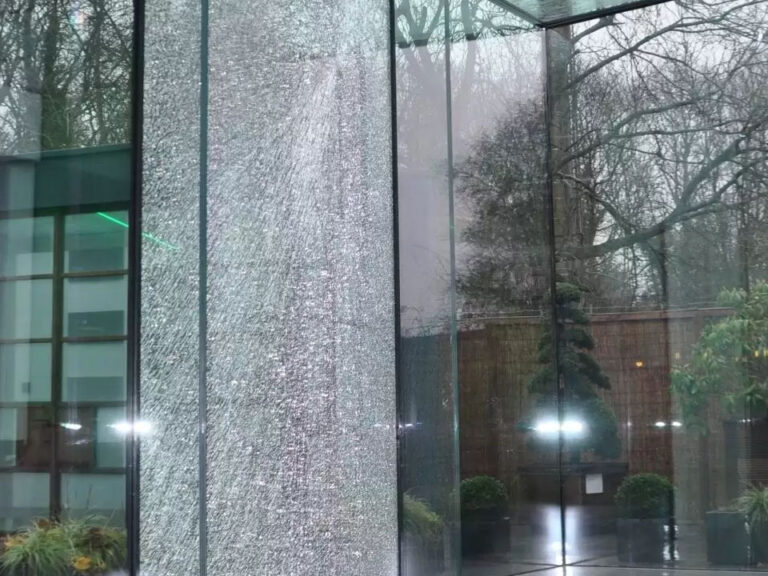
خطر الكسر
الانقسامات الجانبية، الفشل التلقائي
الإجهاد والقلق، ضعف التركيز، ضعف الأداء عند الحواف، مخاطر كبريتيد النيكل
حدد الأماكن التي تحتاج إلى تدفئة إضافية وافحص الجوانب
إنها الخط الأقل إسرافًا لأن الطاولة مصنوعة من الحواف. وبطبيعة الحال، فهي واحدة من أهم العناصر.
تتميز الجوانب الزجاجية المنحنية بمرونة أقل بكثير من الجوانب الزجاجية المستوية. وعند إضافة مانع تسرب للزجاج المزدوج (IGU) أو قاعدة التثبيت المعمارية أو طبقة فاصلة مصفحة، قد تصبح الحافة غير الملائمة نقطة الانهيار الأولى. ولهذا السبب، يجب التعامل مع الطلبات المخصصة كحزمة إنشائية خاصة بالمشروع، وليس كمنتج تجاري عادي. بالنسبة للتركيبات غير القياسية،, تصنيع الزجاج حسب الطلب لمشروع الزجاج إنها ليست مجرد ملحق عادي. إنها المنتج الأصلي.
هل يمكن استخدام طلاء «لو-إي» بعد تقويس الزجاج؟
نعم، يمكن تطبيق طلاء «Low-E» بعد تقويس الزجاج في بعض حالات الإنتاج المخصصة، إلا أن هذه الطريقة عادةً ما تكون مكلفة، وأقل توفراً، وأكثر صعوبة في تطبيقها على نطاق واسع مقارنةً باستخدام الزجاج متعدد الطبقات المعتمد في عملية تصنيع الوحدات الزجاجية المزدوجة المقوسة (IGU) الخاضعة للرقابة.
جاذبية هذه التقنية واضحة. يتم ثني الزجاج أولاً، ثم طلاء الشكل المنحني النهائي. من الناحية النظرية، يمنع ذلك حدوث أضرار في الطلاء أثناء عملية الثني. لكن من الناحية العملية، فإن تشطيب الأسطح المستديرة بشكل متسق أكثر تعقيدًا من تشطيب الألواح المسطحة. مما يؤدي إلى انخفاض معدل الإنتاج، وارتفاع التكاليف، وتقلص خيارات الموزعين.
بالنسبة للمشاريع المعمارية البارزة، قد يكون ذلك مقبولاً. أما بالنسبة لواجهة مبنى تجاري عادي، فربما لا.
تستخدم العديد من المشاريع العملية نظام تغطية «Low-E» قابل للتقسية، أو عملية ثني خاضعة للرقابة، أو تجميعًا زجاجيًّا مزدوجًا (IGU) ذي حواف مستديرة حيث يتم حماية الطبقة الخارجية داخل التجويف. وهذا هو النهج الذي سأعتمد عليه في المقام الأول.
هل ينبغي استخدام طلاء «هارد كوت» أم «سوفت كوت» من نوع «لو-إي» للزجاج المعماري المنحني؟
يُعد الزجاج المطلي بطبقة صلبة من نوع «Low-E» أكثر مرونة بشكل عام في التصنيع والتعامل معه. أما الزجاج المطلي بطبقة لينة من نوع «Low-E» فيقدم عادةً كفاءة أفضل في التحكم الحراري والشمسي. وبالنسبة للزجاج المعماري المنحني، فإن الخيار المناسب يعتمد على ما إذا كان المشروع يركز على طول العمر التشغيلي خلال مرحلة التصنيع، أو الأداء العالي في مجال كفاءة الطاقة، أو المظهر المحايد، أو انخفاض معامل كسب الحرارة الشمسية (SHGC)، أو لون معين.
هذا هو الحل الأمثل.
وجهة نظري؟ في الواجهات الصناعية الكبيرة، عادةً ما يكون استخدام الزجاج ذي الطلاء الناعم منخفض الانبعاثية (Low-E) داخل وحدة الزجاج المزدوجة (IGU) خيارًا أكثر منطقية مقارنةً بالزجاج المتجانس ذي الطلاء الصلب المعرض للعوامل الخارجية، شريطة أن يكون المصنع قد تحقق من سلامة تركيب وحدة الزجاج المزدوجة المنحنية. ومع ذلك، بالنسبة لبعض التطبيقات المنحنية للزجاج الرقائقي أو الأحادي، خاصةً عندما تكون متانة الاستخدام أكثر أهمية من القيم الحرارية القصوى، قد يظل الزجاج ذو الطلاء الصلب هو الخيار الأكثر أمانًا.
لا يوجد منتصر واحد يجمع على الجميع. فأي شخص يبيع منتجًا ما، فإنه يبيع الراحة.
قائمة المتطلبات للمهندسين المعماريين والمهنيين
قبل الموافقة على طبقة «Low-E» على الزجاج المنحني، اطلب من المورد تقديم ما يلي:
مستحضرات تجميل ذات غلاف زجاجي بالكامل
اسم الطبقة أو فئة أداء التشطيب
مساحة السطح النهائي
قيمة U، معامل امتصاص الحرارة الشمسية (SHGC)، معامل نفاذية الضوء (VLT)، معامل الانعكاس الخارجي، معامل الانعكاس الداخلي
الحد الأدنى لمسافة الانحناء
دورة المعالجة الحرارية
عينة أو نموذج أولي في ضوء النهار الطبيعي
معلومات حول مانع التسرب IGU
توافق الفواصل مع الأنظمة المنحنية
شروط الضمان المتعلقة بأعمال التشطيب وفشل العزل
معايير الموافقة البصرية
خطة مراقبة الدُفعات
وأرجوكم، لا تقرروا الموافقة بناءً على مثال صغير وحيد تم عرضه تحت أضواء مكان العمل. فهكذا تولد الواجهات السيئة.
الأسئلة المتداولة
هل يمكن استخدام طبقات «لو-إي» على زجاج المباني المنحني؟
يمكن استخدام الطلاءات من نوع «لو-إي» (Low-E) على الزجاج المعماري المنحني عندما يتم تصميم نوع الطلاء، وتقنية الثني، وإجراءات المعالجة الحرارية، وهيكل الوحدة الزجاجية العازلة (IGU)، ومساحة سطح الطلاء، بحيث تتكامل مع بعضها البعض. وتتمثل الاستراتيجية الأكثر أمانًا في وضع طلاء «لو-إي» متوافق داخل وحدة زجاجية واقية مستديرة، حيث يكون محميًا من عوامل المناولة والعوامل الجوية والتآكل.
الخطأ الرئيسي هو الافتراض بأن الزجاج «Low-E» المسطح والزجاج «Low-E» المنحني يتصرفان بنفس الطريقة تمامًا. لكن هذا ليس صحيحًا. فالانحناء يؤثر على التوتر، والانعكاس، والقيود الإنشائية، والموافقة الجمالية. لذا، يجب أن يكون إعداد نموذج تجريبي خاص بالمشروع أمرًا إلزاميًا.
هل الزجاج المنحني المزود بطبقة «Low-E» أغلى بكثير من الزجاج المسطح المزود بنفس الطبقة؟
يُعد الزجاج المنحني ذو الطبقة المنخفضة الانبعاثية (Low-E) أغلى بكثير من الزجاج المسطح ذو الطبقة المنخفضة الانبعاثية (Low-E)، وذلك لأنه يجمع بين متطلبات الطبقة الموفرة للطاقة وعملية التصنيع المنحنية، وضمان الجودة الأكثر صرامة، والتسليم الخاص، وتجميع الوحدات الزجاجية المعزولة (IGU) المخصصة في كثير من الأحيان. ويعتمد ارتفاع التكلفة على طول الامتداد، وكثافة الزجاج، ونوع التشطيب، وكمية الطلب، وما إذا كان الزجاج مصفحًا أم مقوى أم عازلًا.
السعر الحقيقي لا يقتصر على الزجاج فحسب. بل يشمل عملية التذوق، ومخاطر الرفض، وتكوين الفرن، وعمل الفواصل الدائرية، وتغليف المنتج، والخدمات اللوجستية، وإدارة مقاومة الموقع. وعادةً ما يشير الزجاج المنحني ذو الطبقة المنخفضة الانبعاثية (Low-E) الرخيص إلى أن أحدهم قد استبعد مرحلة الاختبار من العملية.
أيهما أفضل للزجاج المنحني: طلاء «هارد كوت» أم طلاء «سوفت كوت» من نوع Low-E؟
عادةً ما تكون طبقة «لو-إي» الصلبة أكثر متانةً من حيث الصيانة والتصنيع، في حين توفر طبقة «لو-إي» اللينة عادةً أداءً أقوى في التحكم في أشعة الشمس والعزل الحراري. وبالنسبة للزجاج المنحني في المباني، قد تكون الطبقة الصلبة مناسبةً للتطبيقات الأبسط أو المكشوفة، في حين أن الطبقة اللينة تكون عادةً محميةً بشكل أفضل داخل تجويف الوحدة الزجاجية المزدوجة (IGU) المنحنية.
يجب ألا يستند الاختيار إلى تفضيل اسم العلامة التجارية. بل يجب أن يستند إلى المسافة، والمساحة المراد تغطيتها، والقيمة المستهدفة لمعامل U، ومعامل SHGC، والمناخ، والتوافق مع التصميم الخارجي، وسجل اختبارات المورد.
هل يمكن تقسية الزجاج ذي الطبقة المنخفضة الانبعاثية (Low-E) بعد تغليفه؟
يمكن تقسية بعض أنواع الزجاج ذي الطبقة المنخفضة الانبعاثية (Low-E) بعد معالجته، ولكن فقط إذا كانت الطبقة مصممة خصيصًا لتكون قابلة للتقسية. فقد تتضرر الطبقات غير القابلة للتقسية جراء المعالجة الحرارية، في حين تتطلب الطبقات القابلة للتقسية إعدادات فرن محكومة، ووضعًا مناسبًا، وتقييمًا بعد المعالجة للتأكد من عدم وجود ضبابية أو تغير في اللون أو تشوه أو عيوب في الطلاء.
هذا مجرد أحد أخطر الافتراضات في مجال المشتريات. فمصطلح “Low-E” لا يعني تلقائيًا أنه “Low-E قابل للتقسية”. يجب أن تذكر ورقة المواصفات ذلك صراحةً. ويجب على المورد تأكيد ذلك. كما يجب أن تثبت العينة ذلك.
كيف يتم بالضبط تطبيق طبقة Low-E على الزجاج المنحني؟
يمكن دمج طلاء «Low-E» مع الزجاج المنحني إما عن طريق طلاء الزجاج بعد ثنيه في منشآت متخصصة، أو عن طريق ثني الزجاج المتعدد الطبقات المعتمد من خلال عملية تصنيع خاضعة للرقابة. وفي معظم المشاريع المعمارية التجارية، تتمثل الطريقة العملية في استخدام زجاج متعدد الطبقات مزود بطلاء «Low-E» مناسب ضمن نظام زجاج واقي منحني.
يبدو التشطيب بعد الثني أكثر دقة، لكنه عادةً ما يكون مكلفًا وأقل قابلية للتوسع بكثير. أما بالنسبة للألواح الخارجية المتكررة، فإن الحل الصناعي الأفضل بكثير هو عمومًا نظام الزجاج العازل المزدوج (IGU) المنحني والمختبر، حيث يتم تغطية الغطاء داخل التجويف.
القرار النهائي
إذن، هل يمكن استخدام الطلاءات ذات الانبعاث المنخفض (Low-E) على زجاج المباني ذي الحواف الدائرية؟
نعم. بالتأكيد.
ولكن عندما تتوقف المجموعة عن التعامل مع الزجاج منخفض الانبعاثية (Low-E) باعتباره مجرد ملصق، وتبدأ في التعامل معه كطبقة تقنية ضمن نظام واجهة متكامل، فإن الطبقة نفسها ليست هي العنصر الأساسي. بل التسلسل هو العنصر الأساسي: الركيزة، والطلاء، والانحناء، والمعالجة الحرارية، والتصفيح، وتركيب الوحدات الزجاجية المزدوجة (IGU)، وتصميم الختم، والنموذج التجميلي، ومقاومة التركيب.
هذه هي الحقيقة الصعبة. الزجاج المنحني ذو الطبقة المنخفضة الانبعاثية (Low-E) يكون فعالاً عندما يتم تصميمه هندسيًّا. أما إذا تم شراؤه دون أي اعتبارات هندسية، فإنه يفشل في أداء وظيفته.
إذا كنت تخطط لاستخدام زجاج واجهات منحني مطلي بطبقة Low-E، أو أنظمة زجاج منحني محمي، أو زجاج Low-E مقوس في مشروع ما، فاطلب تصميمًا مخصصًا للمشروع، وتوصية بشأن سطح الطلاء، ومراجعة المسافات، والموافقة على العينات قبل بدء الإنتاج. فكلما تم وضع خطة الزجاج في وقت مبكر، قلّت المفاجآت التي قد تواجهها لاحقًا.