We are a leading glass manufacturer based in China, specializing in high-quality glass solutions for industrial and architectural applications. With years of experience and ISO certification, we provide fast, tailored quotes and responsive support for procurement professionals, engineers, and project managers worldwide.

Blog
Premium Quality Assurance
Reliable & Fast Delivery
Bid/No-Bid Rules for Commercial Glazing Contractors

Commercial glazing contractors do not lose money only in the field; they lose it earlier, inside the estimating room. This guide gives hard bid/no-bid rules for curtain wall, storefront, shower glass, Low-E glass, and security glazing work.
Laminated Low-E Glass for Projects Needing Sound and Efficiency

Laminated Low-E Glass is not just “quiet glass with a coating”; it is a risk-control decision for projects where noise, heat, glare, safety, and procurement all collide. This article takes a hard look at where laminated acoustic glass wins, where insulated Low-E units do more, and why cheap substitutions usually show up later as tenant complaints.
ASTM E1300 Explained for B2B Glass Buyers and Specifiers

Most buyers think ASTM E1300 is just a chart. It isn’t. It’s a liability filter disguised as a standard.
Bullet-Resistant Glass Build-Ups for Commercial Entrances

Commercial entrances fail when glass, frames, doors, anchors, and threat assumptions are specified separately. This guide explains bullet-resistant glass build-ups with practical detail for architects, contractors, owners, and security buyers.
Safer Overhead Glazing Build-Ups for Public-Facing Projects

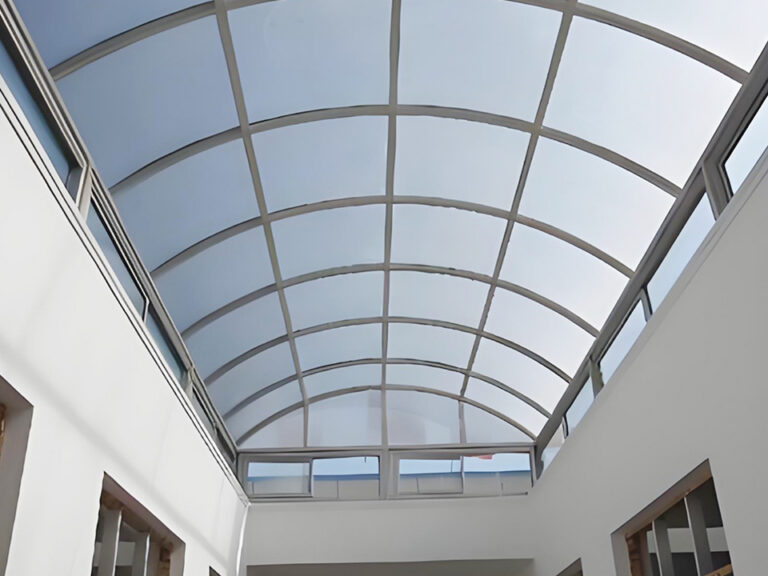
Public-facing overhead glazing is not just a daylighting choice; it is a liability decision. This article breaks down safer glass build-ups, solar reflection damage, and the spec traps that melt materials, scare owners, and expose weak design teams.
Reflective Glass Damage: Can Solar Reflection Melt Materials?

Reflective glass damage is not folklore; it is physics, material failure, warranty conflict, and bad façade planning meeting at noon. This article explains why low-e window reflection can melt vinyl siding, warp plastics, discolor coatings, and create liability headaches.
Transit Damage Claims: A Faster Process for Glass Buyers

Glass buyers do not lose money because glass breaks; they lose money because evidence arrives late, vague, or unusable. This guide explains how to file a transit damage claim faster, with the kind of documentation carriers and suppliers actually respect.
Passive House Windows: Is Bigger Glass Always a Bad

Bigger glass is not automatically bad in a Passive House, but it punishes sloppy modeling faster than any wall assembly. This article explains when large Passive House windows pay back, when they overheat, and why the frame often matters more than the glass.
Building a Supplier Risk Scorecard for Architectural Glass

Architectural glass procurement fails when buyers score price and ignore fragility: lead times, coatings, compliance, breakage, capacity, and documentation. This guide shows how to build a Supplier Risk Scorecard that exposes weak suppliers before they damage a project schedule.
Factory Audit Checklist for New Glass Manufacturing Partners

Most supplier audits are too polite to catch the failures that actually cost money. This guide shows how I pressure-test a new glass factory before I trust it with tempered, laminated, or insulating glass at scale.
Specialty Mirror Door Assemblies for Hotels and Interiors

Specialty mirror door assemblies look simple until they start moving, chipping, fogging, rattling, or breaking under hotel traffic. This piece cuts through the sales pitch and explains what actually works for hotel mirror doors, interior mirror doors, and mirrored wardrobe doors.
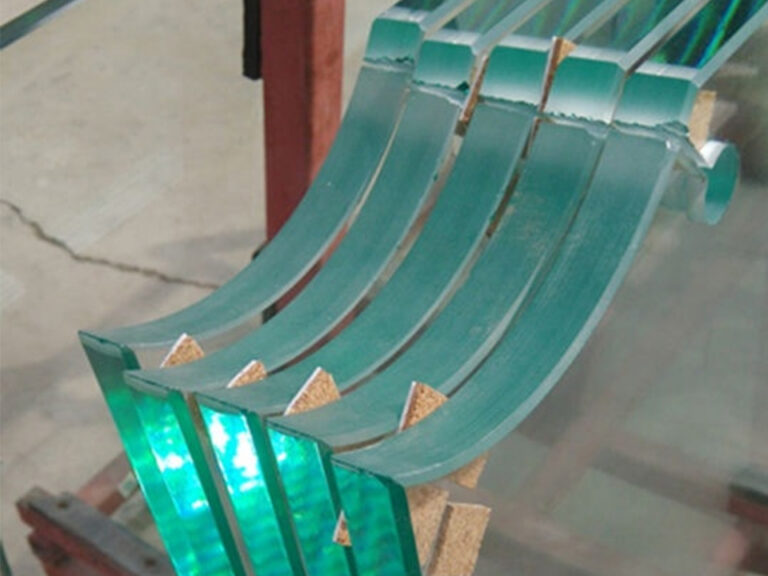
Radius Limits and Yield Risks in Curved Tempered Glass

Most curved glass failures start long before installation, when teams treat radius as a design flourish instead of a manufacturing limit. I break down where yield disappears, what 2024 specs reveal, and when curved tempered glass is the wrong bet.