Nous sommes l'un des principaux fabricants de verre implantés en Chine,
Spécialisée dans les solutions en verre haut de gamme destinées aux applications industrielles et architecturales.
Forts de nombreuses années d'expérience et d'une certification ISO, nous proposons des devis rapides et sur mesure, ainsi qu'un accompagnement réactif aux professionnels des achats, aux ingénieurs et aux chefs de projet du monde entier.
Nous sommes l'un des principaux fabricants de verre implantés en Chine,
Spécialisée dans les solutions en verre haut de gamme destinées aux applications industrielles et architecturales.
Forts de nombreuses années d'expérience et d'une certification ISO, nous proposons des devis rapides et sur mesure, ainsi qu'un accompagnement réactif aux professionnels des achats, aux ingénieurs et aux chefs de projet du monde entier.
Entretoises à bords chauds dans les IGU de rénovation : La mise à niveau en vaut-elle la peine ?
Je ne mâcherai pas mes mots. Le débat sur l'intercalaire est vite édulcoré, généralement par des personnes qui veulent vendre le paquet de verre sans parler du maillon faible qui se trouve au périmètre, où les pertes de chaleur, les problèmes d'humidité et le risque de rappel ont tendance à s'accumuler en premier lieu. Alors, l'amélioration est-elle réelle ? Oui. Est-elle automatique ? Non.
La dure vérité est la suivante : entretoises pour bords chauds L'intercalaire a le plus d'importance lorsque le travail a déjà été effectué dans les règles de l'art, c'est-à-dire avec un cadre sain, une sélection décente d'isolants à faible émissivité, une étanchéité compétente et un remplissage de gaz qui survit à l'installation au lieu de perdre sa valeur au fil du temps ; si ces éléments sont négligés, l'intercalaire devient un article de luxe attaché à une rénovation médiocre. Qui profite de cette fiction ?
Si vous fixez un prix verre à faible émissivité sur mesure pour les vitrages isolants de rénovation, Il est temps de cesser de considérer le joint de bordure comme un élément secondaire, car le guide du consommateur du DOE indique que les entretoises de bordure chaude sont destinées à abaisser le facteur U de la fenêtre et à réduire la condensation sur le bord de la fenêtre. Il ne s'agit pas d'une performance décorative. Il s'agit d'une performance orientée vers les occupants.
Table des matières
Pourquoi les barres d'écartement des bords chauds sont sur-vendues et méritent encore le respect
Les vendeurs adorent cette expression. Les ingénieurs ne l'aiment généralement pas, car une fois que l'on a dépassé le langage de la brochure, il s'agit d'une correction étroite mais significative du pont thermique au niveau du bord du verre, et non d'une réinvention totale de la physique de la fenêtre, et c'est exactement sur cette distinction que reposent les bonnes décisions en matière de rénovation.
Voici mon opinion : les barres d'espacement à bord chaud valent plus souvent qu'autrement l'argent dans les IGU rénovés, en particulier dans les climats froids, les intérieurs humides et les bâtiments où les plaintes relatives à la condensation refont surface chaque hiver. Le DOE indique que les avantages attendus sont un facteur U plus faible et une condensation moins importante sur les bords, tandis que le système d'évaluation du NFRC renforce la logique : un facteur U plus faible est meilleur, et une résistance à la condensation plus élevée est meilleure.
Mais. Une analyse de la condensation en 2023 dans le Journal de l'ingénierie architecturale a mis fin à beaucoup de discours paresseux sur les spécifications en montrant que la condensation n'est pas due uniquement au facteur U ou à l'indice CR ; les matériaux du cadre, du verre et de l'intercalaire interagissent, et le composant le plus faible peut dominer le schéma de défaillance. Cela signifie qu'un intercalaire à bord chaud à l'intérieur d'un assemblage médiocre peut encore décevoir.
Les avantages et les inconvénients des vitrages isolants modernisés
La plupart des propriétaires ne disent jamais : “Mon coefficient de transmission thermique linéaire me gêne”. Ils disent que le coin est froid, que la ligne de vue s'embue, que le seuil est humide, que la peinture est défectueuse ou que le locataire pense que la coûteuse “amélioration” était fausse. C'est pourquoi intercalaires pour vitrage isolant méritent plus d'attention qu'ils n'en reçoivent habituellement.
Une étude réalisée en 2024 par le laboratoire national d'Argonne, publiée par l'OSTI, présente les enjeux en chiffres clairs : les fenêtres pourraient compter pour environ 1,5 milliard d'euros. 25% de consommation d'énergie pour le chauffage et le refroidissement, 10% de consommation d'énergie totale du bâtiment et 45% de transfert de chaleur de l'enveloppe.. Lorsqu'une telle performance passe par le système de fenêtre, prétendre que le joint de bord est mineur est tout simplement un mauvais calcul.
Et la pression exercée par le code n'est pas imaginaire. La lettre finale de l'EPA concernant la version 7.0 d'ENERGY STAR indiquait qu'au ≤ 0,25 Facteur U un bon choix de produits de fenêtrage admissibles était déjà disponible, avec une la majorité - plus de 60% - utilise le double vitrage. Traduction : des ensembles à double vitrage très performants sont déjà sur le marché, et la marge entre le passable et l'excellent se réduit souvent à des détails tels que le choix de l'intercalaire, les revêtements, le gaz de remplissage et la qualité du cadre.
L'information qui échappe à la plupart des acheteurs : les entretoises à bords chauds améliorent le confort avant d'impressionner une feuille de calcul.
Le confort d'abord. Les économies ensuite.
Cet ordre agace les puristes du tableur, mais il correspond à la façon dont les travaux de rénovation sont jugés dans le monde réel, car le contrôle de la température et de la condensation au bord du verre est immédiatement perceptible par les occupants, tandis que les économies d'énergie annuelles arrivent lentement, mélangées au comportement des systèmes CVC, à l'ombrage, à l'orientation, à l'occupation et aux bruits météorologiques. N'est-ce pas ainsi que les rappels se produisent en réalité ?
Les diapositives de l'EPA sur les performances des fenêtres en 2024 mettent bien l'accent sur le fait que le renforcement des performances des fenêtres de Facteur U de 0,27 à 0,25 ou de 0,40 à 0,32 a amélioré les performances de l'AU modélisée d'environ 2% à 13%, Selon le scénario et l'exemple de la zone climatique, l'espacement des bords chauds n'est pas le seul moyen d'améliorer ces chiffres. Les entretoises pour bords chauds ne sont évidemment pas le seul moyen de faire évoluer ces chiffres, mais elles constituent l'une des rares améliorations qui s'attaquent directement à la pénalité périmétrique dans une construction IGU standard.
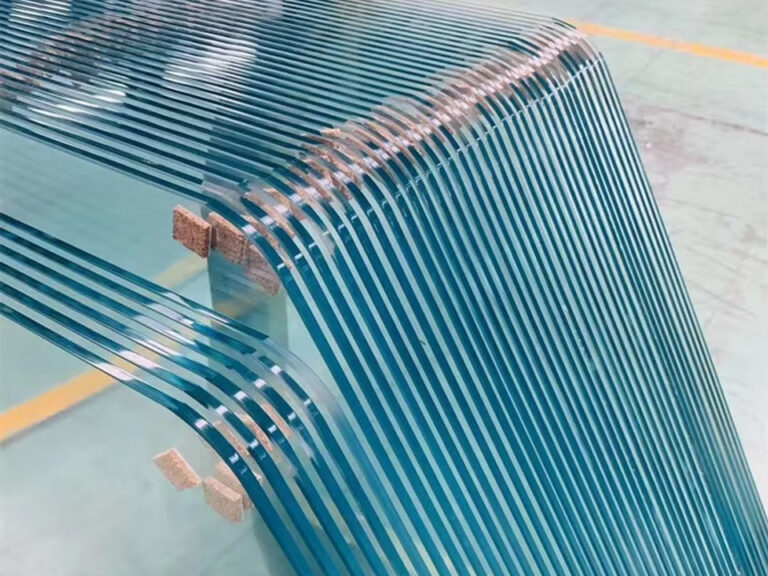
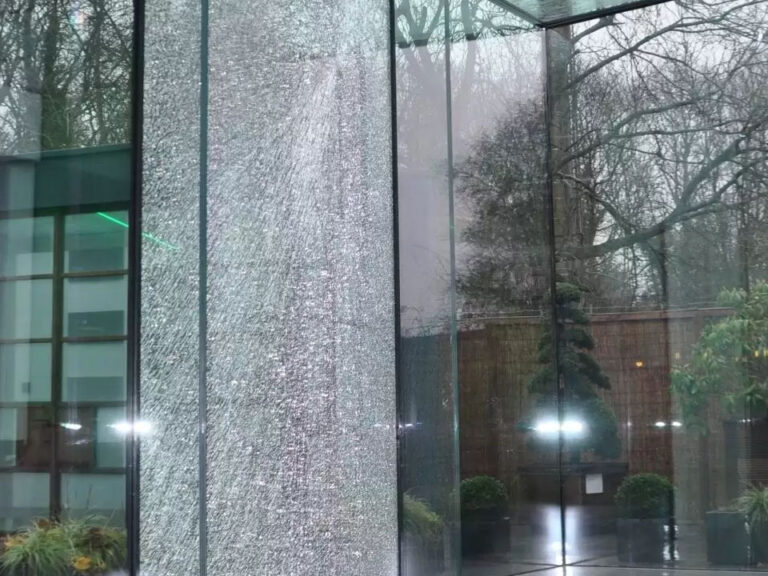
C'est également la raison pour laquelle j'associerais une amélioration de l'espacement à un ensemble de vitres adéquat, au lieu de la traiter comme un acte solitaire. Pour les projets impliquant le verre feuilleté du mur-rideau pour des rénovations axées sur la sécurité ou verre trempé bombé en vrac pour les travaux de rénovation résidentielle, Le choix de l'intercalaire doit être fait en même temps que le revêtement, le remplissage de gaz, la chimie du mastic et l'interface du cadre, et non pas après que l'approvisionnement a déjà intégré le travail dans un système périmétrique bon marché.
Ce que disent vraiment les études de cas 2024
Cette partie est importante.
A 2024 Bâtiment et environnement sur la rénovation des fenêtres des bâtiments historiques a montré que l'ajout d'un double vitrage secondaire améliorait l'étanchéité à l'air de 35%, de réduire la consommation annuelle d'énergie de refroidissement de 17%, réduire la consommation annuelle d'énergie pour le chauffage de 24%, et a permis de réaliser des économies d'électricité mensuelles allant jusqu'à 25.99%. Cet article ne portait pas sur la commercialisation des intercalaires. Il portait sur les performances des rénovations de fenêtres entières dans des conditions mesurées et simulées.
Un document distinct sur 2024 dans Structures en verre et ingénierie est encore plus intéressante pour les adeptes de la rénovation qui détestent les déchets : les chercheurs ont prélevé des UGI démontées sur le site de la 1980s, Il les a démontés, a nettoyé les vitres, a reconstruit les unités avec de nouvelles vitres enduites et les a remplacées par de nouvelles vitres enduites et des vitres neuves. technologie warm edge, Le même article indique que les vitrages à isolation renforcée remanufacturés peuvent atteindre les mêmes performances que les vitrages à isolation renforcée fabriqués à partir de verre neuf. Le même document signale que les anciens doubles vitrages non revêtus d'une épaisseur d'environ 1,5 million d'euros ont été remplacés par des vitres neuves. Ug 2,7 W/m²K, contre un triple vitrage moderne à couche jusqu'à Ug 0,5 W/m²K. Il s'agit d'un écart considérable, qui montre à quel point le système des bords a sa place dans toute discussion sérieuse sur la modernisation.
Alors non, je ne crois pas à la vieille rengaine de l'entrepreneur selon laquelle les mises à niveau de l'entretoise sont “surtout du marketing”. Parfois, elles sont mal commercialisées. Le problème est différent.
Mon avis sur les principales options d'espacement dans les IGU de rénovation
Voici la version simplifiée que j'utiliserais lors d'une véritable réunion éditoriale ou d'un examen des marchés publics.
Approche de l'écartement
Ce qu'il fait généralement bien
Les points faibles
Mon point de vue sur les IGU en rénovation
Entretoise conventionnelle en aluminium
Coût initial le plus bas, approvisionnement facile
Transfert de chaleur plus important sur les bords, plus d'exposition à la condensation sur le périmètre
Très bien pour les emplois simples, moins bien pour les améliorations axées sur le confort
Entretoise métallique avec amélioration thermique
Prix et performances intermédiaires
Meilleur que l'aluminium traditionnel, mais pas encore le meilleur choix lorsque la condensation est source de plaintes.
Acceptable dans des conditions modérées
Barres d'écartement des bords chauds (TPS, mousse de silicone, composite, systèmes hybrides à faible conductivité)
Meilleur potentiel de température de bord, potentiel de facteur U plus faible, meilleur contrôle de la condensation
Peut être surestimé si la qualité du joint, la rétention du gaz ou la conception du cadre sont médiocres.
Il s'agit généralement de l'amélioration la plus judicieuse lorsque le reste de l'IGU est bien spécifié.
Ce tableau est ma synthèse, mais la logique découle directement des directives du DOE sur les entretoises à bord chaud, du facteur U et du cadre de résistance à la condensation de la NFRC, ainsi que de l'étude sur la condensation de 2023, qui montre que l'assemblage - et non une simple étiquette - contrôle le comportement de l'humidité dans le monde réel.
Comment choisir des entretoises de bord chaud pour les IGU sans se faire avoir ?
Commencez par être précis. Ensuite, devenez pointilleux.
Si le projet de rénovation présente des antécédents de condensation sur les bords, des lignes de vitres intérieures froides, des plaintes de locataires ou des problèmes de confort hivernal, j'opterais plutôt pour les solutions suivantes barres d'écartement thermique à moins que la pression sur les coûts ne soit extrême. Si le chantier se déroule dans un climat doux, que l'intérieur est sec et que l'occupant est peu sensible, le retour sur investissement est moins important et la décision dépend davantage de la qualité du produit et des attentes du propriétaire.
Je pose ensuite quatre questions que les vendeurs ont tendance à éluder : Quel est le facteur U final évalué par le NFRC ? Quelle est la valeur CR ? Quel gaz de remplissage est utilisé - argon ou krypton - et quelle est la taille de la cavité ? Et quel système d'étanchéité est associé à l'intercalaire : PIB, polyuréthane, polysulfure ou TPS réactif ? Si ces réponses sont vagues, le choix de l'espaceur n'est pas votre plus gros problème.
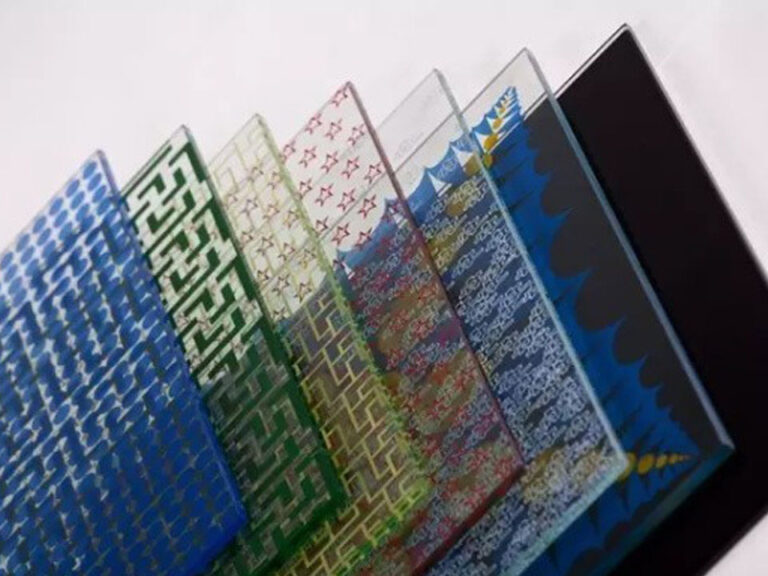
Pour les projets axés sur l'apparence, je refuserais également le faux compromis entre performance et finition. Vous pouvez toujours spécifier options IGU à motifs décoratifs ou même des ensembles de vitrages spécialisés, mais le système de bordures doit rester dans la conversation parce que l'occupant ne se soucie pas de la beauté de la lumière si le périmètre est froid et humide en janvier.
FAQ
Les entretoises pour bords chauds valent-elles la peine d'être améliorées ?
Les intercalaires de bord chaud sont des composants périmétriques à faible conductivité utilisés dans les vitrages isolants pour réduire le transfert de chaleur au bord du verre, améliorer les températures du bord du verre et réduire le risque de condensation par rapport aux systèmes d'intercalaires plus conducteurs. Dans le cas des IGU rénovés, ils valent généralement la peine lorsque les plaintes relatives au confort, le risque d'humidité ou les objectifs thermiques imposés par le code importent plus que le fait de tirer le dernier dollar de l'offre.
Les barres d'écartement des bords chauds réduisent-elles la condensation ?
Les intercalaires à bords chauds réduisent la condensation en augmentant la température des bords intérieurs au périmètre du vitrage isolant, ce qui empêche l'air intérieur humide d'atteindre le point de rosée sur la partie la plus froide de l'assemblage de vitrage. Le DOE affirme qu'ils sont conçus pour réduire la condensation sur les bords, mais le document sur la condensation de 2023 montre également que la combinaison cadre-verre-espaceur détermine toujours le résultat final.
Quel est le meilleur intercalaire pour les fenêtres rénovées ?
Le meilleur intercalaire à bord chaud pour les fenêtres rénovées est celui qui fonctionne à l'intérieur d'un système IGU testé et bien scellé avec un revêtement Low-E approprié, un remplissage de gaz stable, une chimie de scellant compatible et une performance du cadre qui n'efface pas l'avantage de l'intercalaire. Les systèmes TPS, composites et flexibles à bords chauds peuvent tous donner de bons résultats lorsque l'assemblage complet est adéquat.
Comment choisir les entretoises de bord chaud pour les panneaux IGU ?
Pour choisir des intercalaires à bords chauds pour les IGU, il faut comparer le facteur U, la résistance à la condensation, la composition du vitrage, la largeur de la cavité, le remplissage en gaz, le système d'étanchéité et les propriétés du cadre de l'ensemble de la fenêtre, au lieu de choisir un intercalaire de manière isolée. En pratique, je regarderais d'abord le label NFRC, puis si la rénovation permet de lutter contre les pertes d'énergie, la condensation, le confort des locataires, ou les trois à la fois.
Les intercalaires à bord chaud ne sont pas des produits d'appel. Ils ne constituent pas non plus un plan de sauvetage pour un mauvais vitrage isolant rénové.
Telle est la vraie réponse.
Si vous êtes en train d'élaborer un cahier des charges, d'établir une liste d'ingénierie de la valeur ou d'essayer de décider entre un verre de remplacement minimal et un système périmétrique plus intelligent, considérez l'intercalaire comme un levier de performance, et non comme un accessoire décoratif. L'intercalaire gagne sa place lorsque le projet est sensible à la condensation, au confort et à des valeurs thermiques conformes au code, ce qui est le cas de plus de projets que ne veulent l'admettre les partisans des offres bon marché.