We are a leading glass manufacturer based in China,
Specializing in high-quality glass solutions for industrial and architectural applications.
With years of experience and ISO certification, we provide fast, tailored quotes and responsive support for procurement professionals,engineers, and project managers worldwide.
We are a leading glass manufacturer based in China,
Specializing in high-quality glass solutions for industrial and architectural applications.
With years of experience and ISO certification, we provide fast, tailored quotes and responsive support for procurement professionals,engineers, and project managers worldwide.
Passive House Windows: Is Bigger Glass Always a Bad
And, honestly, that one sentence tells you how a lot of bad Passive House window decisions get made: someone grabs a Ug number from a glossy PDF, ignores the frame, ignores the spacer, ignores west-facing summer sun, ignores the install Psi, then acts shocked when the room bakes at 4:30 p.m. in August. Funny how that happens, right?
Bigger glass isn’t the villain. Lazy glass is.
That’s my bias. I’ll own it. I’ve seen oversized glazing work beautifully in Passive House projects when the detailing was disciplined—proper Uw, warm-edge spacer, decent frame Uf, tuned g-value, exterior shading, and no “we’ll figure it out onsite” nonsense around the rough opening. I’ve also seen smaller windows perform badly because the frame was a cold bridge dressed up as a premium product.
Here’s the ugly truth: Passive House windows are not bought. They’re proven.
The U.S. Department of Energy says heat gain and heat loss through windows are responsible for 25%–30% of residential heating and cooling energy use. That’s not trivia; that’s the reason a window schedule can quietly wreck the energy model. The same DOE guidance also tells buyers to look at whole-unit U-factors and SHGCs, not just center-of-glass numbers, because the whole product is what the building actually gets. See the wording in the DOE’s own window replacement guidance.
So, is bigger glass always bad?
No.
But big glass makes bad decisions louder.
Table of Contents
The “Triple Glazed” Sticker Is Where the Scam Often Starts
Triple glazed Passive House windows can be excellent. I like them. I specify them. I’ve defended them in budget meetings where someone with a spreadsheet and no thermal camera thought we could “just use standard double glazing.”
But triple glazed doesn’t mean Passive House-ready.
That’s the part some sales teams mumble through.
A proper Passive House window is a full assembly: Ug, Uw, Uf, spacer Psi, installation Psi, glass edge length, frame area, glazing area, airtightness, SHGC or g-value, visible transmittance, and the actual way the thing sits in the wall. If you’re only looking at the center-pane Ug, you’re basically judging a car by the paint color.
The Passive House Institute’s own guidance says a warm window with Uw under 0.8 W/(m²K) gives very good comfort, and it specifically says window U-values should be calculated with actual glazing and frame areas. There’s no mystery there. It’s all right in their technical note on Passive House window U-values.
Small detail?
No. Big one.
Because Uw is where the lies get caught.
Big Panes Can Beat Small Windows. Yes, Really.
People hate this part because it complicates the neat little rule: “smaller windows are better.”
Sometimes they are.
Sometimes they aren’t.
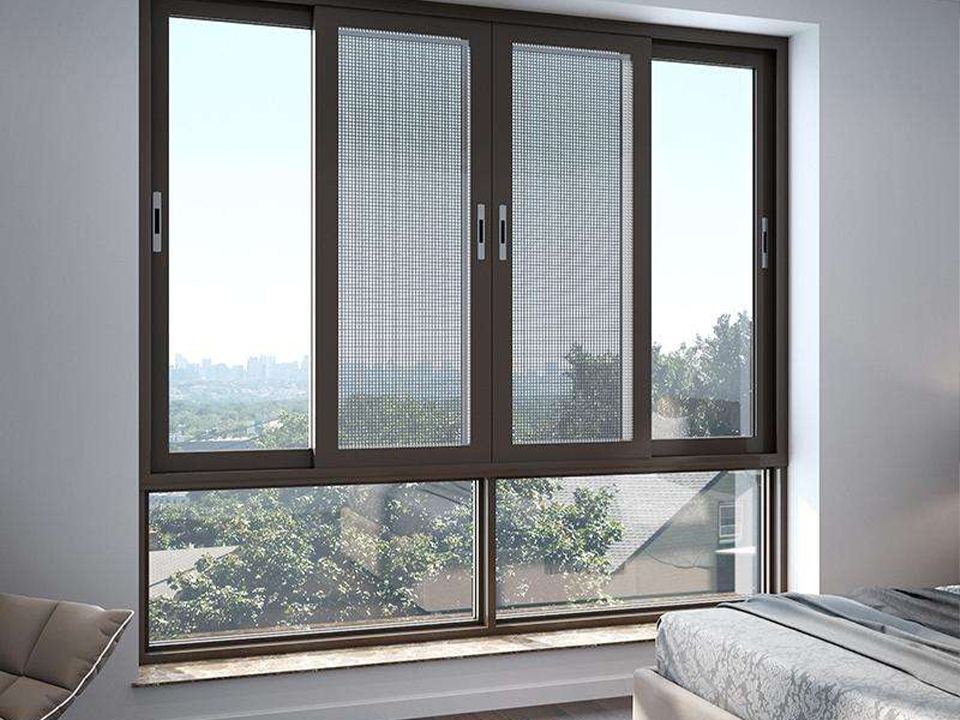
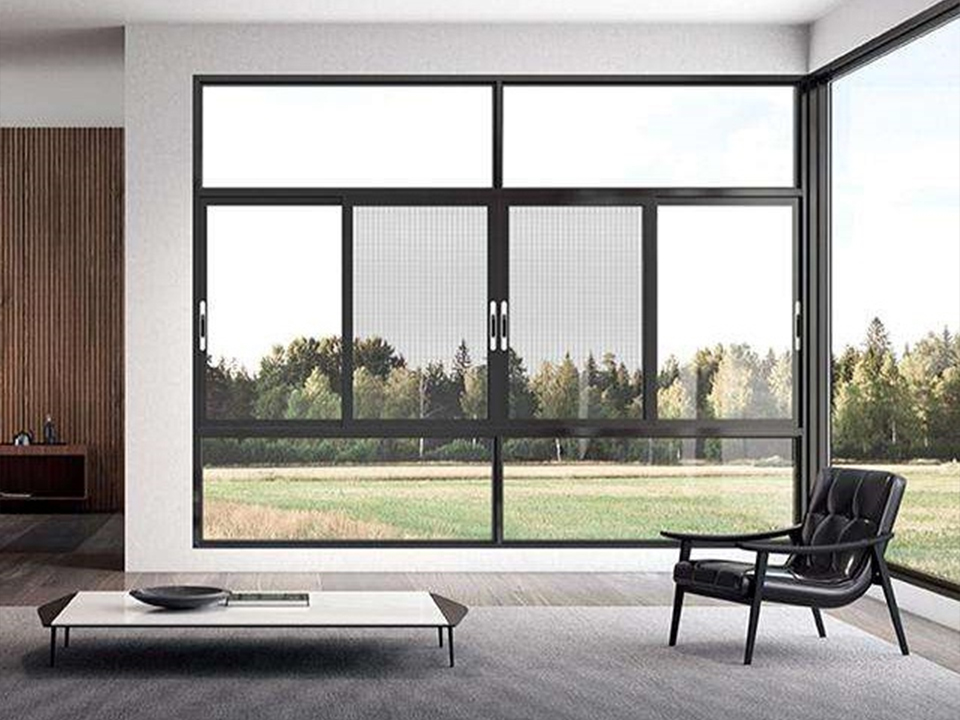
A large fixed pane can have a better glass-to-frame ratio than a cluster of small operable units, and because frames are often the thermal weak spot—especially at the edge-of-glass zone—the bigger unit can look surprisingly sane in the calculation. The glass area increases, yes, but the percentage of frame can fall. That matters.
I’m not saying “make everything huge.” Don’t be silly.
I’m saying the Passive House window size conversation has to be based on the actual assembly, not a superstition. A 2.4 m fixed unit with a tight frame and clean spacer detail may perform better than a smaller tilt-turn unit with bulky frame geometry, mediocre spacer performance, and a sloppy install.
And this is where energy-saving argon-filled insulating glass earns its place in the discussion. Argon—Ar, if we’re being nerdy—is boring chemistry, but useful chemistry. It slows convective heat transfer inside the IGU cavity when the cavity width, coating package, and seal quality are right.
Boring works.
Usually.
Solar Gain: The Thing Nobody Wants to Talk About Until the Client Complains
I’ve sat in meetings where everyone admired the south elevation and nobody wanted to talk about the west elevation.
That’s usually the problem child.
Passive House solar gain isn’t good or bad by itself. It’s a tool. In a heating-dominated climate, the right south-facing glass can carry winter gains and make the heating load look almost smug. In a cooling-heavy or mixed climate, the same “beautiful” glass can become a low-angle heat cannon.
The DOE window research program puts the tension plainly: high-performance windows are meant to support passive heating when useful and reject unwanted solar heat when it’s not. That sounds simple until the architect wants identical glass on every elevation. The DOE’s building-window research page discusses that balance in its work on high-performance windows.
Here’s my cranky rule: if the shading strategy sounds like an accessory, the glass is probably oversized.
Not always. But often enough.
Interior blinds? Fine for glare. Weak for heat.
Exterior shading? Now we’re talking.
A Passive House Plus public housing project in Tarm, Denmark, is a good example of glass behaving because it was part of the system, not an aesthetic gamble. The project used airtight construction, ventilation with heat recovery, and south-facing windows for solar heat, with reported figures including n50 = 0.6/h, annual heating demand of 13 kWh/(m²a), and heating load of 12 W/m² in the published Passive House Plus public housing case study.
That’s not “big glass is fine.”
That’s “big glass can work when the rest of the envelope isn’t asleep.”
The Passive House Window Size Fight Is Really About Risk
But let’s be blunt.
Big glass increases the penalty for being wrong.
A slightly poor SHGC choice? Bigger impact.
Frame substitution? Bigger impact.
No exterior shading? Bigger impact.
A “similar” IGU swapped in during procurement because the original one had a longer lead time? Bigger impact. And yes, I’ve seen that move. Everyone acts innocent afterward.
From my experience, the worst Passive House glazing failures don’t start with bad intent. They start with tiny compromises. One coating change. One frame change. One missing overhang. One “approved equal” that isn’t equal. Then the PHPP inputs turn into fiction.
And fiction doesn’t keep people comfortable.
For façade projects where solar control and daylight balance matter, factory direct tinted glass for facade use can belong in the conversation. But tint is a tool, not a confession booth. It won’t forgive bad orientation. It won’t fix a weak frame. It won’t make interior blinds behave like exterior louvers.
Triple Pane Windows: Good Tech, Bad Religion
Triple pane windows are useful. Very useful.
I’m not here to dunk on them.
The DOE has described thin triple-pane windows as using a thin third pane, two air spaces, and two low-E coatings, and it has cited research showing that upgrading from double-pane to triple-pane can improve window energy-efficiency performance by 40% or more in new homes. That’s serious. You can read the DOE discussion on adoption of energy-saving triple-pane windows.
But people get weirdly religious about triple glazing.
That’s where mistakes creep in.
A triple IGU with the wrong SHGC on a west façade can still overheat a room. A premium glass package in a poor frame still bleeds performance at the edge. A beautiful Uw on paper means less if the installer leaves a thermal bridge around the perimeter. I frankly believe the industry oversells glass layers and undersells junction detailing because layers are easier to explain and junctions are harder to photograph.
There. I said it.
Passive House Glazing Choices: The Numbers That Actually Matter
Decision Factor
Good Large-Glass Scenario
Bad Large-Glass Scenario
What I Would Check First
Orientation
South-facing in heating-dominated climate
West-facing in cooling-dominated climate
Hourly overheating risk, not annual averages
Whole-window U-value
Uw around or below 0.8 W/(m²K)
Brochure Ug used as if it were Uw
Certified whole-window data
Solar gain
SHGC/g-value tuned by façade
Same glass used on every elevation
PHPP solar gains by orientation
Frame ratio
Large fixed pane, slim insulated frame
Many small operable units
Frame percentage and spacer Psi
Gas fill
Argon or krypton matched to cavity width
Unknown fill, weak QA, no certification
IGU declaration and production tolerance
Shading
Exterior shading, overhangs, operable blinds
Interior blinds only
Summer peak load and comfort hours
Safety layer
Laminated or tempered where required
Energy spec ignores impact/load rules
Code, wind load, human impact, security
Big Glass Is Also Heavy, Fragile, Regulated, and Annoying
Energy nerds sometimes forget glass has to survive the real world.
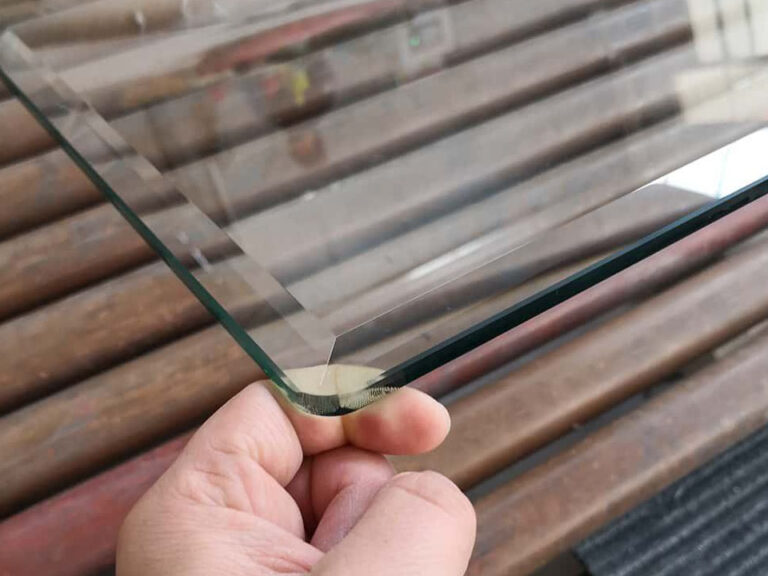
Wind load. Human impact. Thermal stress. Acoustic targets. Fall protection. Blast resistance. Security. Edge quality. Nickel sulfide risk in tempered glass. Site handling. Crane access. Replacement logistics when one monster pane cracks five years later.
That stuff matters.
Large Passive House windows don’t live in PHPP alone. They live in walls, frames, trucks, job sites, and maintenance budgets. Add lamination, thicker plies, heat-strengthened glass, special coatings, or safety interlayers, and the “same” glazing unit may no longer behave the same thermally or visually.
The glass gets the applause. The frame causes the callback.
That’s been my experience, anyway.
A Passive House window can have a gorgeous Ug and still feel cold near the edge if the frame and spacer are weak. The Passive House Institute points directly at this in its U-value explanation: the edge-of-glass thermal bridge has to be counted, and ignoring it makes the result too optimistic. That’s industry-speak for “your model is lying.”
I’ve never met a client who complained about Ψg by name.
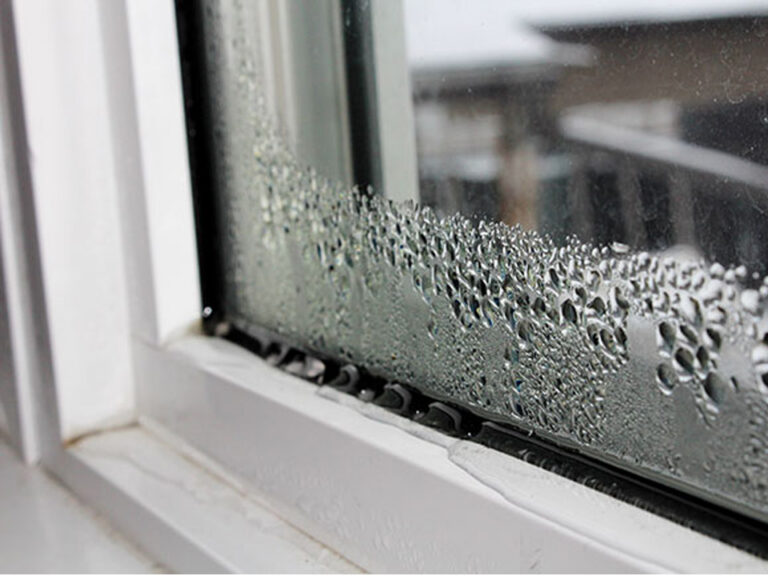
They complain about condensation. Drafty-feeling glass. Cold floors near the window. A room that looks expensive and feels cheap.
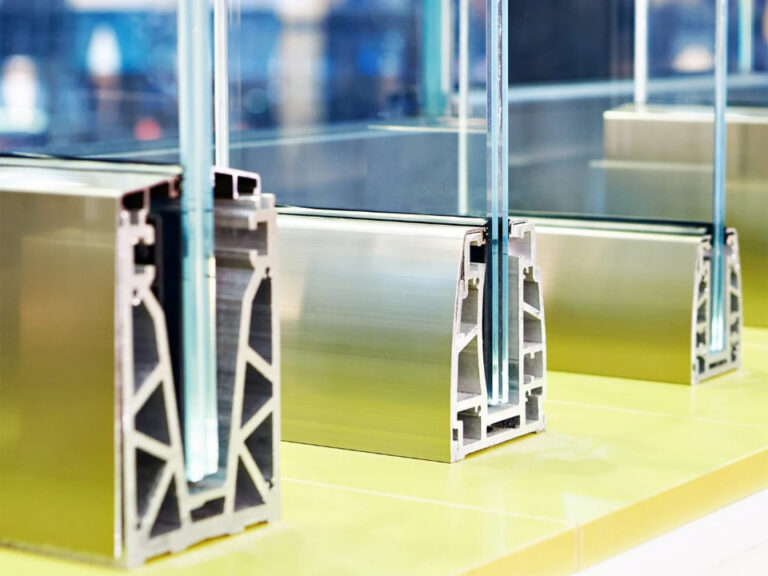
That’s why I care more about section drawings than showroom samples. Show me the frame depth. Show me the warm-edge spacer. Show me how the window is buried into the insulation layer. Show me the airtight tape line. Show me the sill pan. Then we can talk about making the glass bigger.
For premium projects where color neutrality is part of the design intent—retail, galleries, high-end residential—premium ultra-clear laminated glass may make sense. Low-iron glass can clean up the greenish tint, especially in thicker laminated make-ups. Nice stuff.
Still not magic.
My Real Answer: Bigger Glass Must Earn Its Area
So, is bigger glass always bad?
No.
But oversized Passive House glazing has to justify itself. Not emotionally. Numerically.
I want the Uw. I want the Ug. I want the g-value or SHGC. I want VT. I want frame Uf. I want spacer Psi. I want install Psi. I want airtightness data. I want exterior shading geometry. I want the climate file. I want the overheating check. I want the actual product—not “equivalent,” not “similar,” not “we’ve used this before.”
Pedantic?
Maybe.
But comfort is pedantic. Physics is pedantic. Condensation is extremely pedantic.
The professional stance isn’t anti-window. It’s anti-fantasy.
FAQ
Are large Passive House windows bad for energy performance?
Large Passive House windows are not automatically bad for energy performance; they become risky when their whole-window U-value, solar heat gain coefficient, orientation, frame ratio, spacer performance, and shading strategy are not modeled together. A large, fixed, south-facing triple-glazed unit can outperform a smaller but poorly framed or poorly installed window.
That’s the bit many people miss. Size is only one variable. A large pane with a strong glass-to-frame ratio and exterior shading may behave better than a fussy cluster of small operable units with too much frame and edge loss.
What U-value should Passive House windows have?
Passive House windows typically target a whole-window Uw near or below 0.8 W/(m²K), depending on climate, certification path, comfort requirements, and project modeling. The key is using the installed whole-window value, including frame and edge effects, rather than quoting only the center-of-glass Ug value.
I don’t trust Ug-only claims for Passive House decisions. They’re useful, sure, but incomplete. Uw is the number closer to reality, and even Uw needs the installation condition checked before anyone starts celebrating.
Is triple glazing required for Passive House windows?
Triple glazing is often used for Passive House windows in cold and cool-temperate climates because it reduces heat loss, improves interior surface temperature, and supports comfort near glass. However, it is not a universal rule; climate, solar gain, cooling load, shading, and cost can make other glazing packages more appropriate.
In cold climates, triple glazing is usually the safer starting point. In warmer or mixed climates, solar-control coatings and shading may matter more than simply adding another pane. Passive House isn’t a shopping list. It’s a balance sheet.
Do bigger windows increase overheating risk?
Bigger windows increase overheating risk when they admit too much solar radiation during warm periods without exterior shading, orientation control, ventilation strategy, or tuned solar heat gain coefficient. The highest-risk elevations are usually west and southwest, where low-angle afternoon sun is harder to block with simple overhangs.
This is where design teams get burned—sometimes literally. Interior blinds are often treated like a fix, but they’re mostly a glare tool. Exterior shading stops more heat before it gets inside. Big difference.
What is the best glass type for Passive House windows?
The best glass type for Passive House windows is usually a high-performance insulating glass unit with low-E coatings, inert gas fill such as argon or krypton, warm-edge spacers, and a solar heat gain profile matched to orientation and climate. The “best” option changes between north, south, east, and west elevations.
One glass spec across every façade is tidy. It’s also often lazy. South glass, west glass, and north glass do different jobs. Treating them the same can make the window schedule look simple and the building feel miserable.
Conclusion
If you’re specifying Passive House windows, don’t ask whether bigger glass is good or bad. Ask whether the building has earned it.
Get the real numbers: Uw, Ug, SHGC or g-value, VT, spacer Psi, frame Uf, gas fill, safety build-up, and installation detail. Then model the actual opening—not the brochure fantasy.
For project teams comparing glass packages, start with performance-first IGUs like argon-filled insulating glass, pressure-test the façade assumptions, and only then decide how much glass the building deserves.