Architectural Tempered Glass Series for Modern Architecture

The Architectural Tempered Glass Series brings heat-treated glass into configurations for strength, daylight, appearance, and thermal performance in architectural projects. For architects, facade consultants, engineers, contractors, developers, and procurement teams, this page connects glazing choices with the specifications and evidence needed for project selection.
System jakości zgodny z ISO
Wycena w ciągu 24-48 godzin (przegląd techniczny)
NDA dostępne
Opakowania eksportowe i dokumentacja

What Is Architectural Tempered Glass?

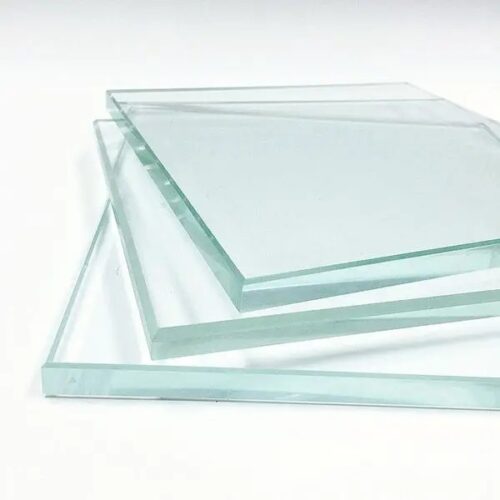
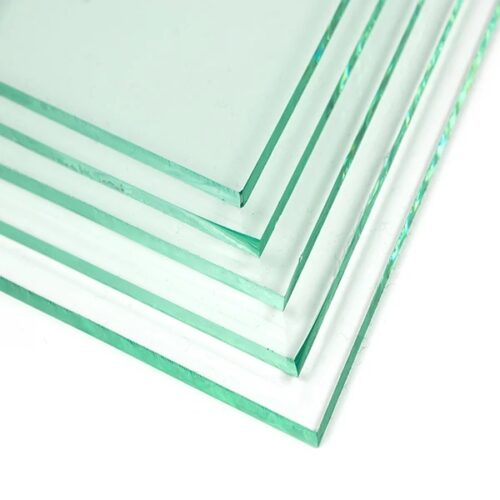
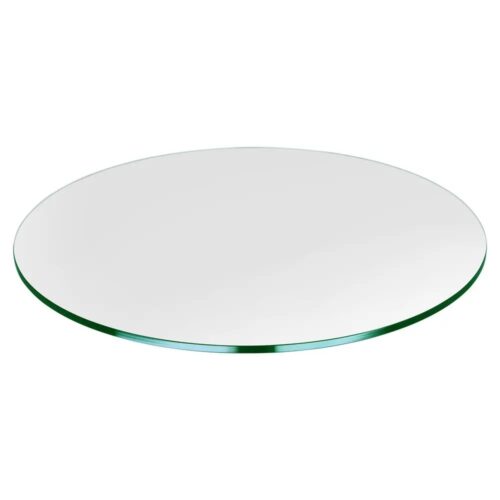
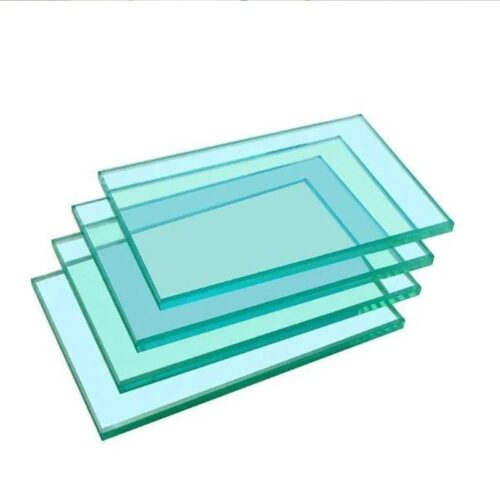
Architectural tempered glass is glass heat-treated to increase its strength compared with comparable annealed glass. Also called toughened glass, it is produced by controlled heating and rapid cooling of suitable float glass, creating surface compression.
When broken, it characteristically fragments into small pieces rather than large shards. Fragments can still cause injury; tempering alone does not establish suitability for every application.

Explore Our Tempered Glass Series

KonfiguracjaMain purposeTypical applications
Low-E insulated unitsCompatible low-emissivity coatings in double or triple glazing; optional gas-filled cavitiesFacades, windows, storefronts
Laminowane szkło hartowaneTempered sheets bonded with PVB or an ionoplast interlayer for designed fragment retentionBalustrades, overhead glazing, partitions
Ultra-clear low-iron glassReduced green tint and a clearer appearanceEntrances, display glazing, interiors
Ceramic fritted or spandrel glassPatterns, privacy, shading, or opacity, depending on constructionFacade screens, opaque facade zones
Solar-control glassCompatible coatings or tints to manage solar heat gainSun-exposed facades and storefronts

Which Specifications Should Your Project Confirm?

Confirm geometry, fabrication, appearance, and performance before ordering. Provide your requirements where verified figures are unavailable:
Size and support: Glass thickness, dimensions, support conditions, framing, and fixing details.
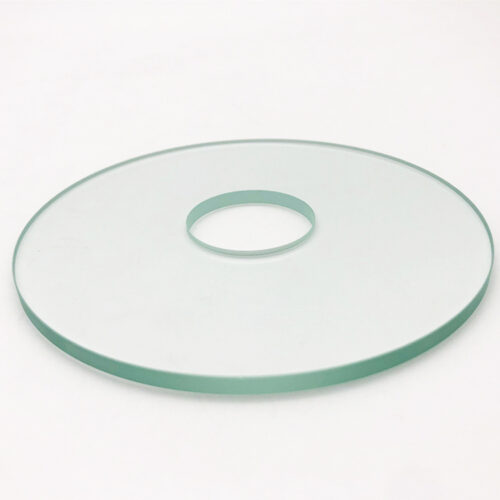
Fabrication: Edgework, holes, and cutouts, finalized before tempering.
Coatings: Selection, heat-treatment compatibility, and position within the assembly.
Interlayers: Type and thickness where applicable, including required retention performance.
Quality: Optical acceptance criteria, bow, roller wave, and dimensional tolerances.
Loads and targets: Project-specific wind loads and relevant structural, impact, thermal, and solar-control requirements.

What Testing and Safety Documentation Should You Request?

Request product specifications, applicable safety impact test evidence, and documentation required for project approval. These serve different purposes; a product datasheet does not establish approval of the installed assembly.
For [COUNTRY OR REGION], confirm applicable standards and editions with the project team:
ASTM C1048 addresses heat-treated flat glass, including heat-strengthened and fully tempered products.
EN 12150 addresses thermally toughened soda lime silicate safety glass.
ANSI Z97.1 addresses safety glazing impact performance.
These standards are not universally equivalent, and no brand compliance is asserted here.
Heat-soak testing associated with EN 14179 reduces, but does not eliminate, nickel sulfide related spontaneous breakage risk. Request traceable reports and optical quality check records where required; their availability must be confirmed.

Where Can This Glass Be Used?

Potential applications include curtain walls, storefronts, interior partitions, balustrades, skylights, and overhead glazing. Choose the configuration around its location, loading, exposure, and consequences of breakage.
Suitability depends on the complete assembly, engineering assessment, and applicable local requirements. Monolithic tempered glass does not automatically provide post-breakage retention. For barriers and overhead locations, establish the required retention strategy, interlayer performance, framing, and support before specifying.

How Do Low-E and Insulated Glazing Improve Performance?

A compatible low-E coating manages radiant heat transfer. In insulated glazing, a sealed cavity between panes contributes thermal resistance; cavity width, gas fill, spacers, and seals influence performance.
Tempering increases strength; coatings and unit construction influence energy performance. Double glazing alone does not define a unit’s final performance.
Compare U-value for heat transfer, solar heat gain coefficient for admitted solar energy, and visible light transmittance for daylight. Request values for the proposed construction, with calculation or test conditions identified. Distinguish centre-of-glass values from whole-system ratings; select targets for climate, orientation, and design priorities.

Tempered Glass FAQs

Compare flat, curved, extra-large, and heat-soaked tempered glass options. Find out when heat soak testing is specified, what custom fabrication is available, and what details to include when requesting a quote.
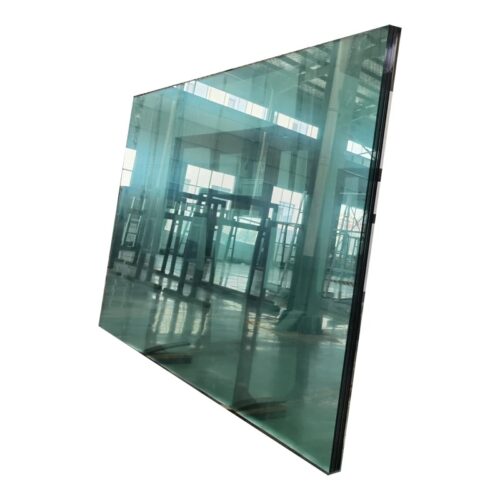
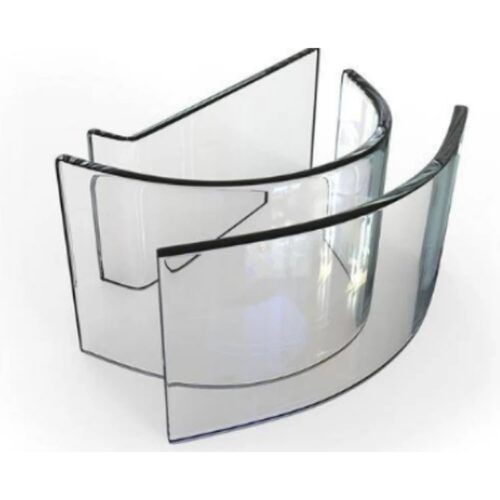
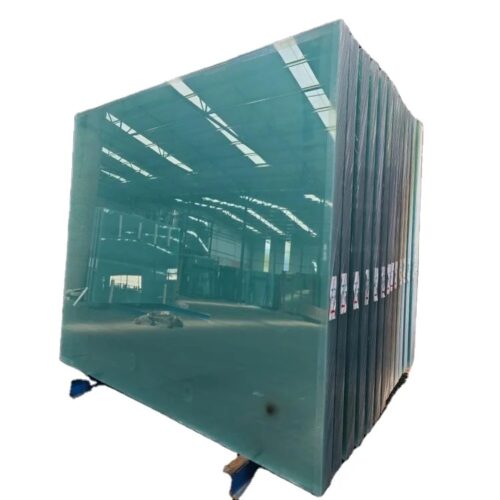
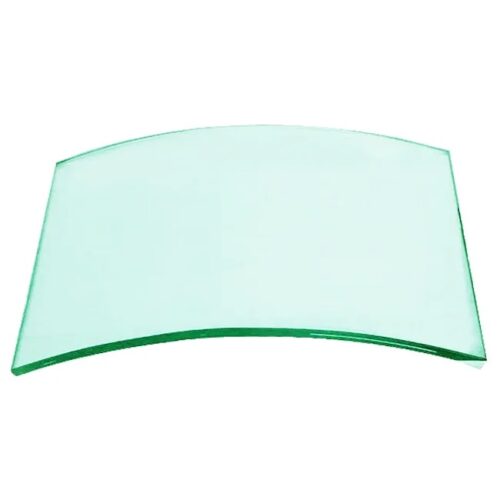
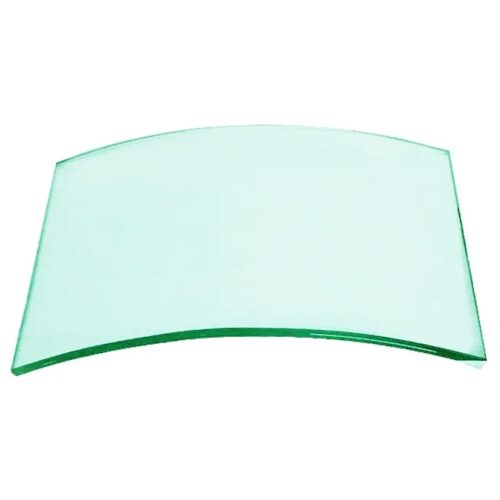
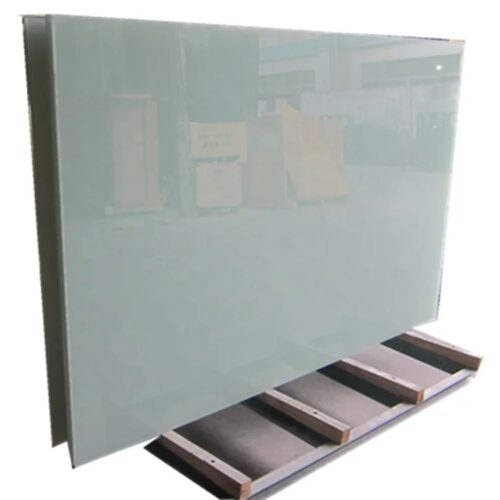
We offer flat, curved, extra-large, and heat-soaked tempered glass. Flat panels are commonly used for doors, shower screens, and partitions. Curved panels suit rounded openings and architectural features, while extra-large panels are designed for applications such as storefronts and curtain walls. Heat soaking is available when the project calls for additional screening after tempering.
Heat-soaked tempered glass goes through an additional controlled heating cycle after tempering. This process reduces the risk of spontaneous breakage associated with nickel sulfide inclusions. It is often specified for high-rise façades and curtain wall projects.
Yes. We can fabricate panels to your drawings, with options such as polished edges, drilled holes, notches, and cutouts for hardware. These features are machined before tempering. For extra-large panels, we review feasible dimensions based on glass thickness, processing, and shipping requirements.
Please send the glass type, panel dimensions, thickness, quantity, intended application, and delivery destination. Include drawings for curved or oversized panels and mark any holes, cutouts, or edge finishes. If your project requires heat soak testing, include that in your request.