We are a leading glass manufacturer based in China, specializing in high-quality glass solutions for industrial and architectural applications. With years of experience and ISO certification, we provide fast, tailored quotes and responsive support for procurement professionals, engineers, and project managers worldwide.

PDLC Smart Glass for Offices, Clinics, and Meeting Rooms

PDLC smart glass sells a clean fantasy: instant privacy, better design, no blinds. I think that fantasy only holds up when the spec team separates visual privacy from acoustics, thermal performance, controls, and real maintenance.
Guardrail and Balustrade Glass: Core Code Decisions

Most guardrail failures start on paper, not on site. This piece breaks down the code logic behind laminated vs tempered glass, frameless detailing, thickness, and the hidden liability traps designers keep missing.
Sloped Glazing and Skylights: What the Code Really Favors

Most articles blur sloped glazing and skylights into one category. I think that’s lazy, because the code draws a sharper line: it rewards retained glass, labeled performance, and assemblies that fail predictably.
Vision Lites in Commercial Doors: Safety Meets Design Intent

Vision lites look simple until a failed inspection, broken sightline, or bad lite kit turns them into a liability problem. I unpack how commercial door glass inserts really work when safety, fire ratings, privacy, and design all collide.
Seismic Glazing Requirements for Commercial Facade Packages

Most facade packages do not fail on glass strength alone; they fail on movement, anchors, bite, and lazy specifications. This piece breaks down seismic glazing requirements into the package decisions that actually survive review, procurement, and shake.
Retrofitting 1/4-Inch Glass to 1-Inch IGUs in Legacy Frames

Most legacy frames were never built for a 1-inch insulated unit, and pretending otherwise is how callbacks begin. This piece explains where insulated glass retrofit works, where it turns into expensive theater, and how I would spec the glass package.
Atypical Glass Geometry: 180-Degree and Angled Butt Joints

Most butt-joint glazing problems are sold as fabrication issues, but I think that is industry theater. The real story is geometry, sealant chemistry, movement tolerance, and the shortcuts nobody wants to admit.
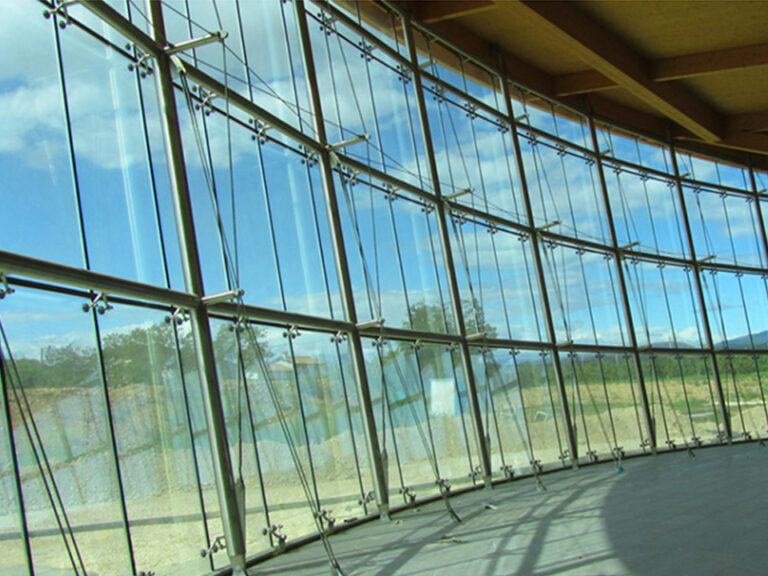
Curved Glass for Curtain Walls: What Buyers Must Know

Most buyers think curved glass is a styling upgrade. I think that is how budgets get burned, lead times get wrecked, and facades get overpromised before anyone has checked radius, yield, or thermal risk. This guide breaks down where curved glass curtain wall deals actually go wrong, what recent 2024 data says about carbon, retrofit economics, and code pressure, and which supplier questions separate adults from brochure merchants.
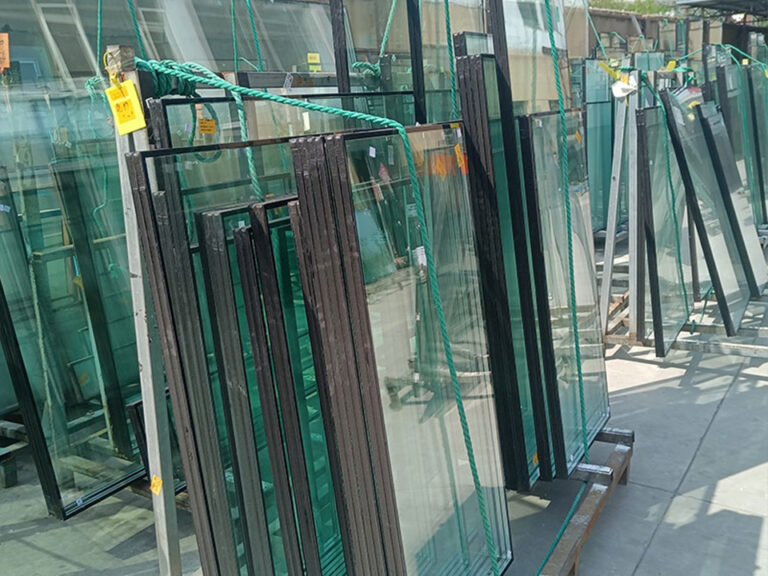
Lifecycle Cost Models for High-Performance IGU Procurement

Most IGU buyers still pretend a low bid is a lifecycle model. It isn’t. This piece shows how I’d pressure-test high-performance IGU procurement with real 2023–2024 federal evidence, supplier filters, and a table that separates thermal value from brochure noise.
Condensation Risk in High-Performance Low-E Window Packages

High-performance low-E windows can cut heat loss and still show condensation when the package is badly specified. This piece explains where the risk really starts, what the 2023–2024 data says, and which specs actually matter.
Choosing the Right CRM or ERP for Glass Fabricators

Most glass fabricators do not buy the wrong system because they lack options. They buy the wrong system because vendors sell polish, while the shop floor runs on exceptions, remakes, routing logic, and ugly data.
When Do Glazed Doors Need Mid-Rails for Hardware Support?

Most glazed doors do not need a mid-rail just because they are glazed. They need one when hardware loads, accessibility rules, or listed fire-door assemblies leave no honest support path.