ポップアップ照会
産業・建築プロジェクト向け信頼性の高いガラス製造

当社は中国を拠点とする大手ガラスメーカーで、工業用および建築用の高品質ガラスソリューションを専門としています。長年の経験とISO認証により、世界中の調達専門家、エンジニア、プロジェクトマネージャーに迅速な見積もりと迅速なサポートを提供しています。.

リン・リー
創設者

ポップアップ照会
産業・建築プロジェクト向け信頼性の高いガラス製造

当社は中国を拠点とする大手ガラスメーカーで、工業用および建築用の高品質ガラスソリューションを専門としています。長年の経験とISO認証により、世界中の調達専門家、エンジニア、プロジェクトマネージャーに迅速な見積もりと迅速なサポートを提供しています。.

リン・リー
創設者

What a Strong Glazing Shop Drawing Package Should Include

A submittal landed on my desk at 4:47 p.m. on a Friday, all clean title blocks and tidy callouts, and for about twelve seconds it looked respectable—until I noticed the anchors weren’t resolved, the slab edge condition was hand-waved, and the dead-load path was basically “trust us.” That happens a lot. Too much.

Three sheets. Total.

And that’s the ugly truth of this trade: a weak glazing package doesn’t usually look weak at first glance. It looks polished. It looks “issued for approval.” It looks like somebody spent real money on CAD standards and absolutely none on thinking through the bite, the edge cover, the wet seal, the movement joints, or the field tolerance stack-up that will wreck the install two months later. Why do we keep pretending those are the same thing?

I frankly believe most glazing shop drawings fail for one simple reason: too many teams still treat them like presentation drawings, when they’re really a collision report waiting to happen, a procurement control file, and a blame-allocation document rolled into one. That sounds harsh. It’s still true.

And when the documentation goes soft, the consequences don’t stay small. In England, the government said that as of 31 October 2024 it was monitoring 4,834 residential buildings 11 metres and over with unsafe cladding, and 2,415 of them had not started remediation. That number should sober up anyone who still thinks façade documentation is just a paperwork exercise.

But there’s another twist here—and I don’t think enough people in the envelope world are talking about it. A 2024 TU Delft study reported that human-response testing suggests the long-familiar glass serviceability limit of L/50 may be relaxed in some cases, which means the technical conversation around façade behavior is still moving, still evolving, still a bad place for vague shop drawings and lazy copied notes.

The package is a risk document before it’s anything else

But let’s quit talking in abstractions.

A strong glazing package has to do something very unglamorous: it has to make sure the architect, façade consultant, GC, fabricator, installer, and inspector are all staring at the same reality, not five slightly different versions of it. From my experience, that’s where the rot starts. Not with some dramatic glass failure. With drift. Scope drift. Assumption drift. Revision drift.

I want the opening sheets to tell me the story immediately—system type, basis of design, governing dimensions, datums, movement assumptions, support conditions, delegated-design boundaries, and exactly which specs and test criteria are controlling the package. Not later. Not buried in note 27 on sheet 19. Up front. Clean and nasty.

Because once that front end is mushy, everything downstream gets expensive. RFIs multiply. Field measures turn political. Someone starts saying “verify in field” like it’s a design strategy. It isn’t. It’s a surrender.

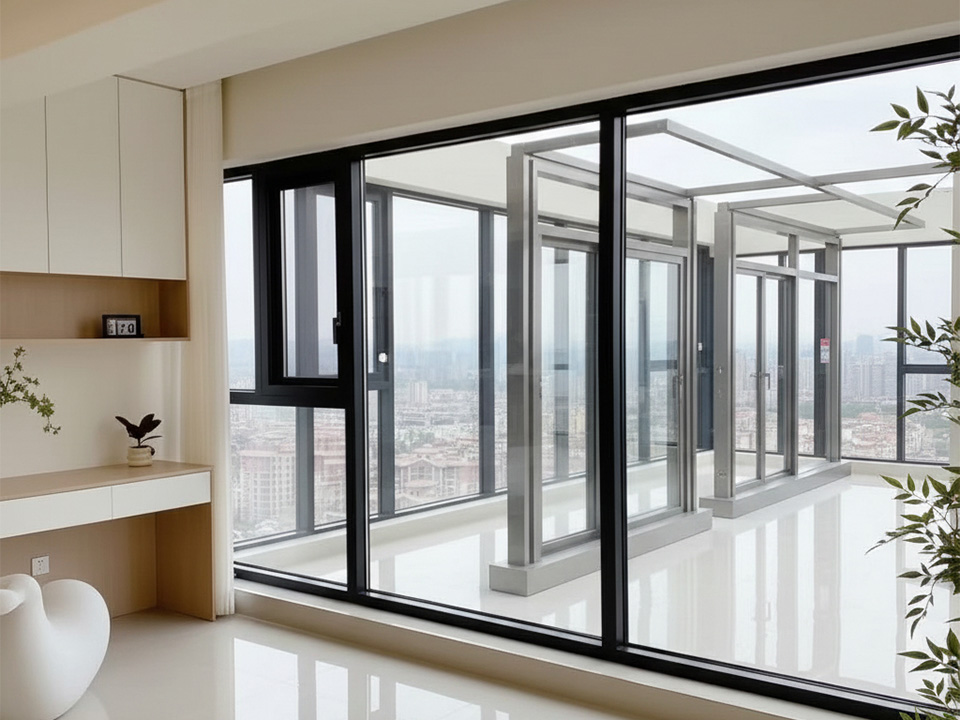
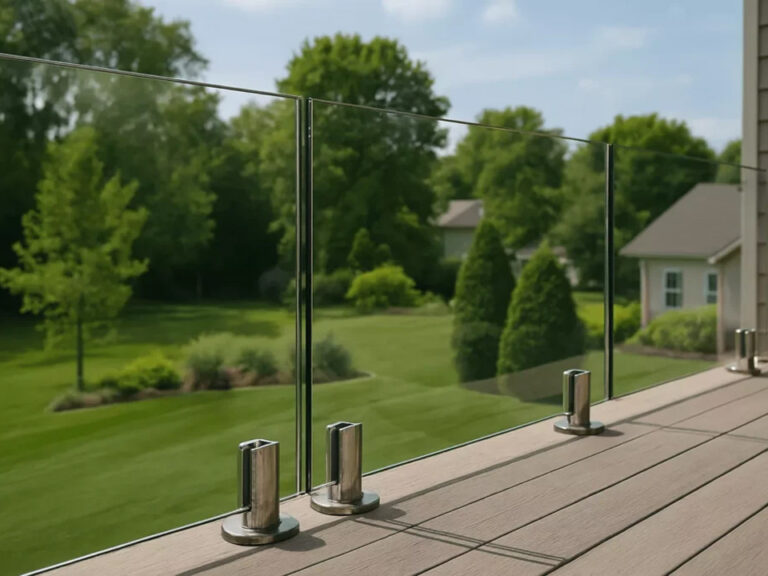
Glass installation

What the drawings must actually show

Here’s where I get opinionated.

If the package doesn’t show fully dimensioned plans, elevations, jambs, heads, sills, stack joints, slab-edge conditions, anchor locations, support steel interfaces, dead-load transfer, wind-load transfer, perimeter sealant geometry, glazing pocket dimensions, drainage logic, and thermal-break continuity, I don’t care how pretty the elevations look. It’s not done.

And don’t give me “typical details” when the corner isn’t typical, the embed plate shifts, the mullion depth changes, or the perimeter AVB kicks the line out by 12 mm. Draw the oddballs. Draw the ugly bits. Draw the conditions that make the superintendent swear under his breath during install. That’s the real job.

Same goes for the glass schedule. A serious set of glass shop drawings doesn’t just say “insulated tempered unit” and move on. It needs pane build-up, heat treatment, interlayer where relevant, coating surface, frit, spacer, sealant family, bite, edge conditions, and any no-substitution triggers that matter to performance or appearance. If the design uses 超クリア強化ガラス製品heat-resistant insulated tempered glass units, あるいは 強化ガラスパネル, the package should pin those assemblies to exact locations and stop pretending procurement swaps are harmless. They usually aren’t.

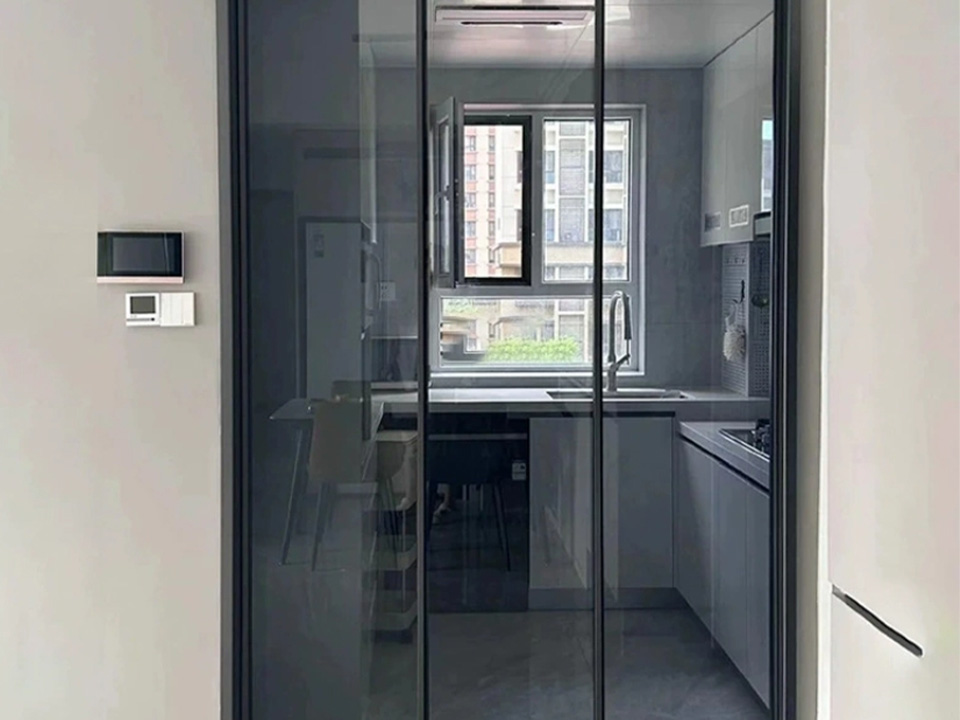
Glass installation

The submittal stack behind the linework

Drawings alone won’t save you.

A strong glazing submittals package has a second layer—the evidence layer—and if that layer is missing, the linework is just confidence theater. I want calculations that match the drawing tags, product data that matches the calculations, sealant compatibility paperwork that matches the actual sealant callouts, finish data that matches the exposed conditions, and revision control that doesn’t require forensic work to decode.

This is where bad packages get caught. Or should get caught. Because too many shops still send one set of curtain wall shop drawings, one half-related calc packet, one old product binder, and then act shocked when the reviewer starts asking whether any of it belongs to the same façade. I’ve seen that movie. It ends badly.

And if the package involves rated openings, corridor glazing, or protected interior conditions, I want the rating logic spelled out without the usual smoke and mirrors. Not just the glass label. The whole assembly mindset. That includes framing logic, beads, clearances, and the conditions around fire-rated vision glass for interior use, because one sloppy perimeter assumption can turn a supposedly “approved” condition into a site fight no one budgeted for.

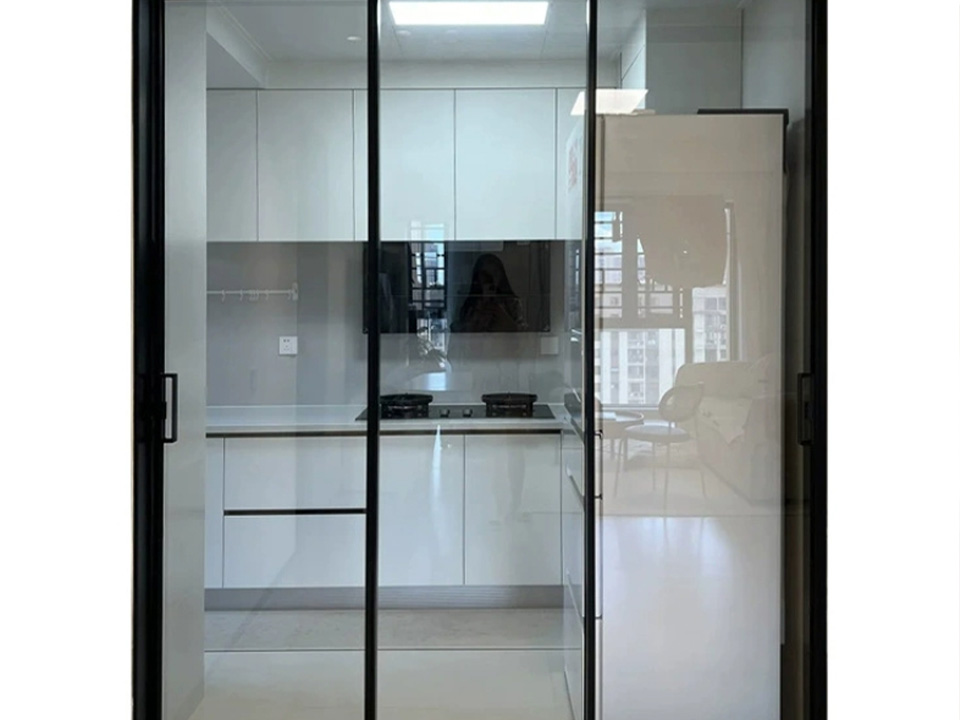
Glass installation

Performance criteria that should never be left vague

Name the test. Every time.

Intertek’s standards pages are blunt about it: ASTM E283 is the laboratory procedure for determining air leakage rates of exterior windows, skylights, curtain walls, and doors; ASTM E331 addresses water penetration under uniform static air pressure; ASTM E330 covers structural performance under uniform static air pressure; and AAMA 501.2 is used as a diagnostic field water penetration check for installed storefronts, curtain walls, and sloped glazing systems. A package that says “meet spec” without tying the system to actual performance criteria is asking for trouble.

That matters because test language isn’t decoration. It controls what gets mocked up, what gets fabricated, what gets rejected, and what gets argued about in the field after the first water check goes sideways. I’ve sat through enough of those meetings to know the pattern: somebody thought the pressure was implied, somebody else thought the test sequence was “standard,” and suddenly everybody is very interested in old email chains.

It works. Usually.

Until it doesn’t, and then the whole job discovers—far too late—that air, water, structure, and field QA were never tied back to the actual system zones, the actual spans, the actual support conditions, or the actual install sequence. That isn’t a technical failure first. It’s a documentation failure wearing a hard hat.

Weak package vs. strong package

Package ElementWeak PackageStrong Package
System identificationGeneric elevations and product namesSystem-by-system matrix with locations, tags, and basis of design
Dimensions“Verify in field” used everywhereGoverning dimensions, datums, tolerances, and exception details clearly shown
Anchors and embedsSymbol onlyExact type, spacing, edge distance, backing structure, and movement allowance
Glass build-upTrade name onlyThickness, heat treatment, interlayer, coating surface, spacer, sealants, bite
Interface controlAssumed by othersExplicit details for AVB, safing, waterproofing, slab edge, roofing, drywall
Performance criteriaHidden in specsAir, water, structural, and field-test requirements tied to each system zone
Review statusMarked-up PDFs floating by emailControlled revision log with comments incorporated into reissued sheets
Procurement protectionBroad substitution languageNo-substitution or conditional-substitution notes tied to approval workflow

Where packages usually crack

Not at the obvious spots.

They crack where the glazing contractor assumes the steel guy will “pick it up,” where the architect assumes the shop will resolve the sealant geometry, where the consultant assumes the mock-up proves more than it actually proves, and where the PM assumes an “approved as noted” stamp means the risk has been reduced instead of redistributed. There’s a difference. A big one.

From my experience, the five repeat offenders are always the same: underdrawn interfaces, vague anchor logic, glass schedules that are too generic, calcs that don’t mirror the drawing tags, and substitution language that leaves the door open for value-engineering nonsense nobody wants to own later. Same old story.

And honestly? The industry has a bad habit of calling this “coordination” when what it really means is “we’ll sort it out in the field.” That’s not coordination. That’s schedule burn disguised as optimism.

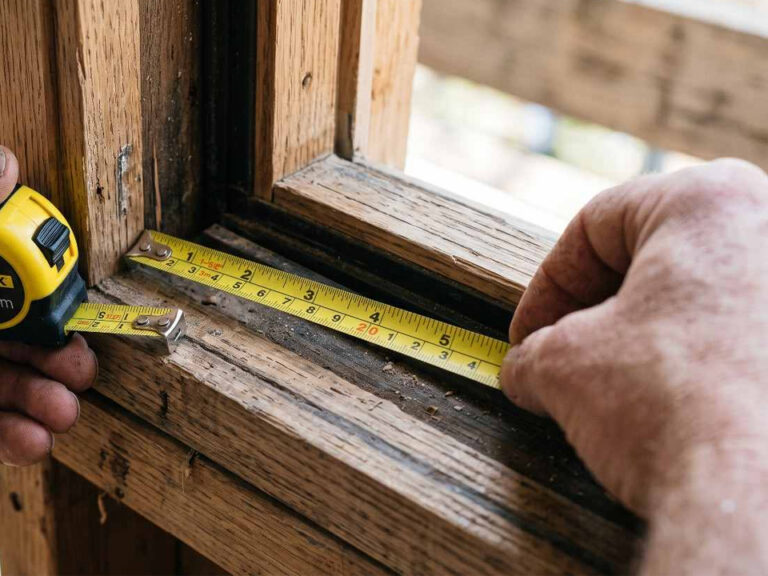
Glass installation

How to prepare glazing shop drawings without making a mess

I’d do it backwards from how a lot of teams do it.

First, lock the system map. Then the support assumptions. Then the interface details. Then the anchor strategy. Then the glass schedule. Then the calculations and product data—matching the drawing tags exactly, not approximately, not spiritually. Only after that would I finalize the full shop drawing package and the glazing submittals stack.

Why that order? Because the dirty little secret is that a lot of rework starts when people rush the sexy sheets before the support logic is actually settled. Once that happens, every later revision gets more expensive. More redlines. More confusion. More “minor” changes that aren’t minor at all.

The best glazing shop drawing package isn’t always the fattest one. It’s the one that answers the next annoying question before the reviewer has to ask it. That’s the bar. Not beauty. Not volume. Clarity.

よくある質問

What are glazing shop drawings? Glazing shop drawings are the coordinated fabrication and installation documents that define a glass or curtain wall system’s dimensions, materials, anchors, interfaces, tolerances, and performance assumptions so every party can review, manufacture, install, and inspect the same assembly without guessing. That’s the technical definition. In the real world, they’re the difference between a controlled package and punch-list chaos.

What should a glazing submittal package include? A glazing submittal package should include coordinated drawings, calculations, product data, glass make-up schedules, anchor details, sealant and gasket data, compatibility documentation, finish information, mock-up requirements, and revision control tied to the exact system being submitted. I’d also add one thing people dodge: scope ownership. If nobody owns the interface, everybody pays for it later.

How are curtain wall shop drawings different from architectural drawings? Curtain wall shop drawings are fabrication-level and installation-level documents that translate design intent into exact dimensions, part identities, interfaces, tolerances, load paths, and assembly logic suitable for procurement, manufacturing, and site execution. Architectural drawings tell you the visual and spatial intent. Shop drawings tell the factory what to cut and tell the installer what has to line up.

Why do strong glazing shop drawings matter so much on modern façades? Strong glazing shop drawings matter because modern façades combine tight tolerances, multiple material interfaces, weather performance demands, structural movement, and code-sensitive safety requirements, all of which become expensive failure points when the package leaves room for assumption. Government data released in November 2024 said 4,834 residential buildings 11 metres and over with unsafe cladding were being monitored in England as of 31 October 2024, with 2,415 not yet started on remediation, while TU Delft reported in 2024 that even long-standing glass serviceability assumptions such as L/50 are still being tested against human-response evidence.

If your current package still leans on generic notes, vague “typicals,” and the old fantasy that the field team will magically sort it out, stop the release. Tighten the drawings. Tighten the submittals. Get the ugly details onto paper before the glass gets cut.

コメント

コメント