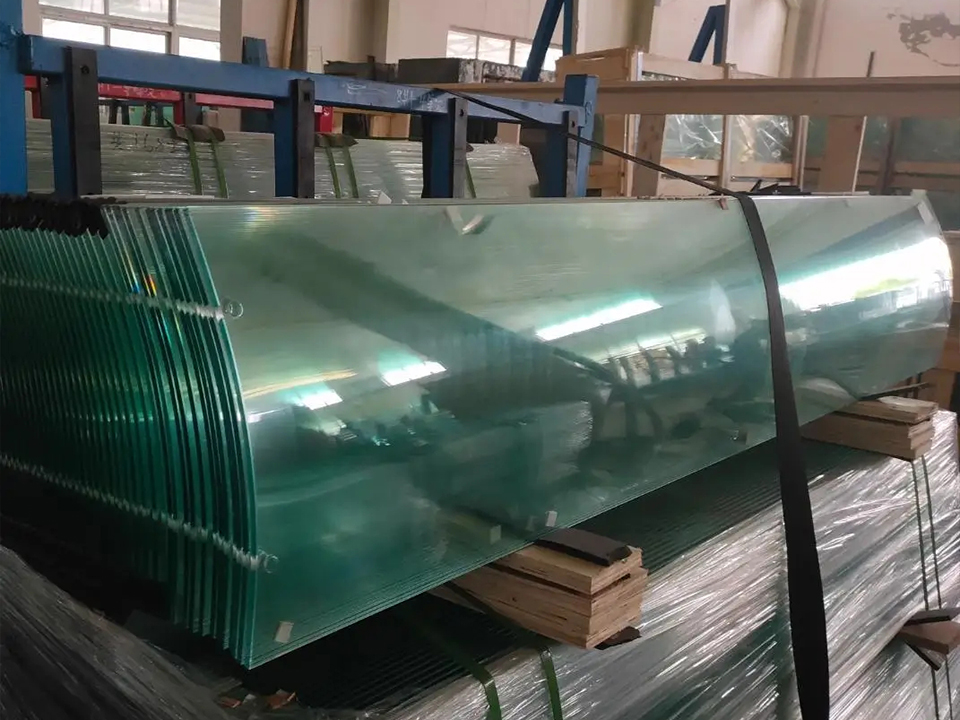
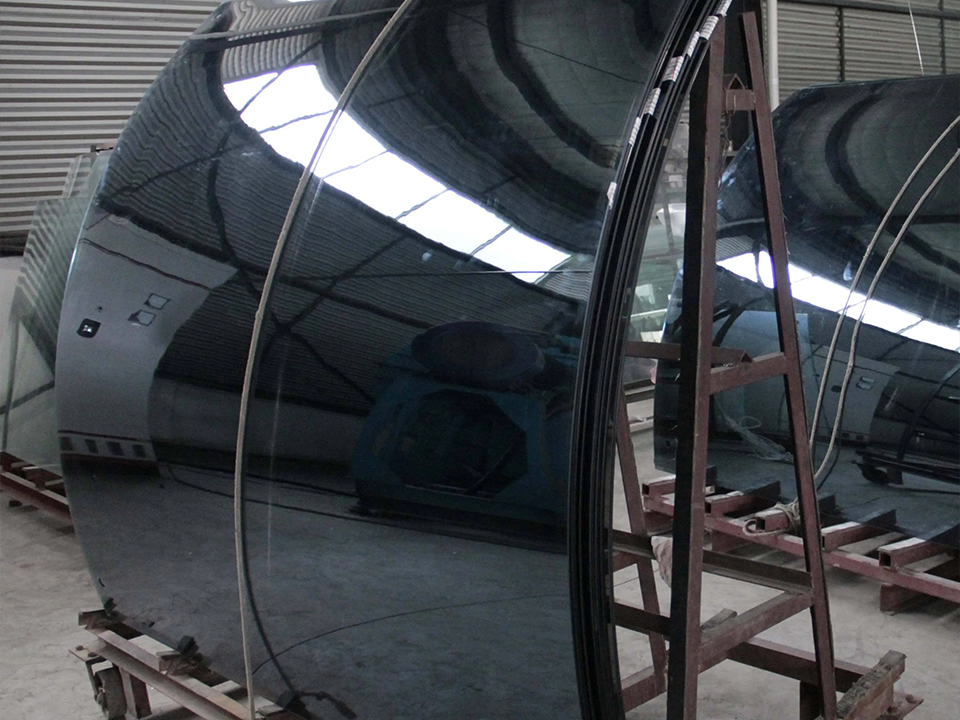
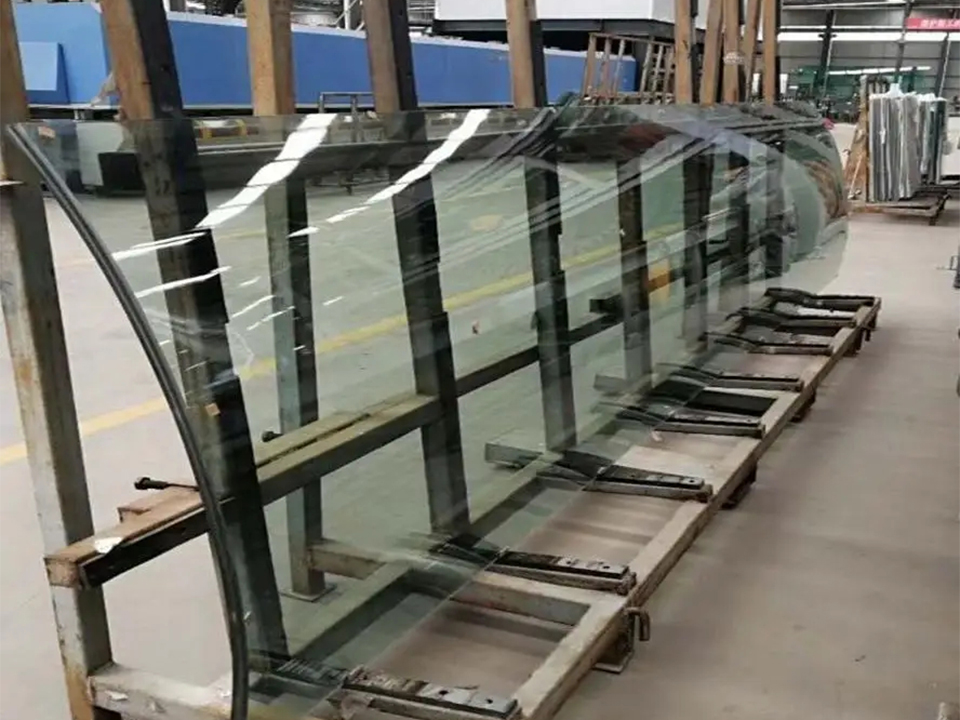
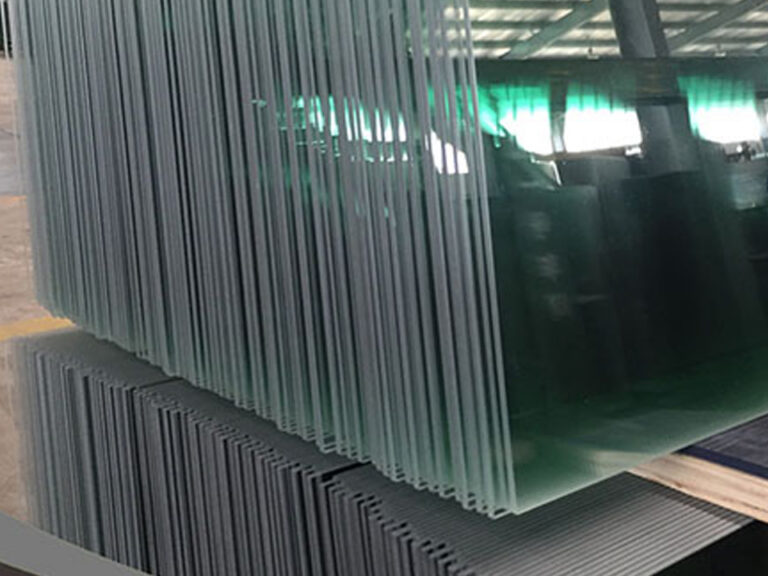
Jesteśmy wiodącym producentem szkła z siedzibą w Chinach,
Specjalizujemy się w wysokiej jakości rozwiązaniach szklanych do zastosowań przemysłowych i architektonicznych.
Dzięki wieloletniemu doświadczeniu i certyfikatowi ISO zapewniamy szybkie, dostosowane do potrzeb oferty oraz sprawne wsparcie dla specjalistów ds. zaopatrzenia, inżynierów i kierowników projektów na całym świecie.
Jesteśmy wiodącym producentem szkła z siedzibą w Chinach,
Specjalizujemy się w wysokiej jakości rozwiązaniach szklanych do zastosowań przemysłowych i architektonicznych.
Dzięki wieloletniemu doświadczeniu i certyfikatowi ISO zapewniamy szybkie, dostosowane do potrzeb oferty oraz sprawne wsparcie dla specjalistów ds. zaopatrzenia, inżynierów i kierowników projektów na całym świecie.
Praktyczna formuła szacowania dla komercyjnych zleceń szklarskich
Istnieje wiele cytatów dotyczących szkła.
Zazwyczaj nie jest to celowe, ale wynika z faktu, że kosztorysant wychodzi z uprzejmej fikcji: powierzchnia w stopach kwadratowych × cena produktu + robocizna = wycena. Działa to w przypadku małej przegrody wewnętrznej lub standardowej wymiany witryny sklepowej, dopóki projekt nie zacznie stawiać trudności – szyby z powłoką niskoemisyjną (low-E), laminowane szkło bezpieczne, wsporniki ścian osłonowych, ograniczenia dostępu na plac budowy, przepisy dotyczące pracowników związkowych, wynajem dźwigów, przeróbki, uszkodzenia, materiały oraz ten cichy, niewielki “podatek” zwany „projektant zmienił specyfikację po tym, jak wy wyceniliście zlecenie”.”
Porozmawiajmy więc wprost. Wycena szkła dla biznesu Nie chodzi tu o wymyślenie kwoty, która po prostu wydaje się rozsądna. Chodzi o ustalenie uzasadnionej kwoty, która zostanie zaakceptowana w branży.
Wzór, z którego korzystam, wygląda następująco:
Całkowita wycena = Produkt szklany + Elementy ramowe/systemowe + Obróbka + Praca + Narzędzia + Transport + Odpady/uszkodzenia + Koszty ogólne + Rezerwa na ryzyko + Przychody
Proste? Tak. Łatwe? Nie.
Zgodnie z danymi BLS dotyczącymi wydajności pracy w branży budowlanej, wydajność ta spadła w latach 2022 i 2023, po czym w 2024 r. odnotowano jej wzrost o 6,11 TP3T; ta zmiana ma znaczenie, ponieważ przetargi na szkło zazwyczaj wygrywa się w oparciu o założenia dotyczące robocizny, a nie wyłącznie na podstawie stawki za szkło. OSHA odnotowała również 34 696 kontroli rządowych w roku budżetowym 2024 oraz 5 283 śmiertelne wypadki przy pracy w 2023 r., co powinno przypomnieć każdemu kosztorysantowi, że “szybszy montaż” nie jest strategią, jeśli zaniedbuje się kwestie dostępu, bezpieczeństwa pracy oraz ryzyka uderzenia.
Gorzką prawdą jest to, że ceny za stopę kwadratową to lekarstwo dla początkujących
Widziałem, jak doświadczeni specjaliści tracili pieniądze na zlecenia, które “wygrali” bez problemu.
Oferta wyglądała na dopracowaną. Zmierzyliśmy wysokości elewacji sklepu. Obliczono powierzchnię przeszklenia. Marża była akceptowalna. Następnie monterzy przybyli na miejsce i odkryli, że rampę załadunkową coś blokowało, generalny wykonawca nie dysponował całkowicie suchym magazynem, wymiary otworów różniły się o 3/8 cala, a przygotowanie określonych systemów zabezpieczających wymagało znacznie więcej czasu, niż pozwalał na to harmonogram prac.
Kto zapłacił za tę optymistyczną prognozę?
Ogólnie rzecz biorąc, specjalista od polerowania.
Wzór przybliżający szklenie komercyjne musi „ukarać” niewiadome. Nie w sensie emocjonalnym, ale matematycznym.
Zacznij od ustalonych ilości, a następnie podziel wycenę na poszczególne kategorie cenowe. Nie ukrywaj produktów w pozycji “materiały”. Nie ukrywaj kosztów wynajmu podnośnika w pozycji „robocizna”. Nie ukrywaj kosztów napraw w pozycji „różne”. W ten sposób tracisz orientację, gdy zlecenie się nie powiedzie.
Na przykład, jeśli w ramach zadania potrzebna jest wysokowydajna szyba ochronna, należy wycenić ją jako system, a nie jako pojedynczą szybę. Projekt zewnętrzny wykorzystujący Specyfikacja techniczna dotycząca montażu szyb z powłoką Low-E na ścianach elewacyjnych wiąże się z innym rodzajem zagrożenia niż zwykłe, monolityczne, przezroczyste szkło. Wymaga innego przygotowania. Innego sposobu obchodzenia się z nim. Innych kosztów naprawy. Innej odpowiedzialności.
Moje praktyczne rozwiązanie do wyceny prac związanych ze szkłem komercyjnym
Oto sprawdzona formuła, rozbudowana o praktyczne przykłady obliczeń:
Wycena szklenia komercyjnego =
Wymiary szyby × Koszt szyby w danym urządzeniu+ Ościeżnice / Uszczelki / Kotwy / Środki uszczelniające+ Produkcja i obróbka krawędzi+ Liczba godzin pracy × Stawka za godzinę pracy+ Narzędzia i ceny dostępu+ Produkty, pakowanie w skrzynie i dystrybucja na terenie zakładu+ Podział kosztów odpadów i szkód+ Dodatek na koszty ogólne+ Ryzyko Uzyskaj+ Przychody netto
Trzy słowa mają znaczenie.
Zajmij się tym bałaganem.
Ponieważ każdy element szklany wiąże się z kosztami, których nie da się oszacować, dopóki nie wyodrębni się go jako osobnej pozycji w kosztorysie. Im bardziej złożony jest projekt, tym trudniej jest oszacować łączne koszty; na przykład zestaw laminowanych szyb zabezpieczających nie może być wyceniany przy zastosowaniu tych samych założeń dotyczących odpadów, robocizny czy transportu, co standardowe szkło hartowane przeznaczone do wnętrz.
Jeśli wymagania dotyczą odporności na uderzenia, szyb zabezpieczających lub wielowarstwowych systemów laminowanych, skorzystaj ze strony dostawcy, takiej jak Masowa dostawa bezpiecznego szkła laminowanego PVB jako grupę odniesienia kosztów w ramach oferty, a nie jako ogólny symbol zastępczy “szkło”.
Działanie 1: Zacznij od oszacowania ilości szkła, a nie od stawek
Wycena przy wprowadzaniu wyrobów szklanych na rynek to proces polegający na pomiarze, zliczeniu, klasyfikacji i oznakowaniu każdego wyrobu szklanego przed ustaleniem jego ceny.
Oznacza to, że nie chodzi tylko o obliczenie powierzchni w stopach kwadratowych. Należy określić:
Rodzaj szkła: hartowane, utwardzane, laminowane, zabezpieczone, z powłoką niskoemisyjną (low-E), barwione, o niskiej zawartości żelaza Grubość: 6 mm, 8 mm, 10 mm, 12 mm, 1/4 cala, 3/8 cala, 1/2 cala Konfiguracja: pojedyncza szyba, szyba zespolona, laminowana szyba zespolona, spandrel, ognioodporna, odporna na wybuchy Kształt: prostokąt, odstęp, wycięcie, otwór, wycięcie, duża szyba Miejsce montażu: podłoga, elewacja, pomieszczenie, otwór konstrukcyjny, przęsło ściany osłonowej Postępowanie w przypadku zagrożenia: ciężar, dostępność, zapotrzebowanie na dźwig, przyssawki, ograniczenia magazynowe
Właśnie w tym miejscu wiele projektów się kończy. Na rysunku widnieje napis “szkło”, jednak w opisie zaznaczono: “dwóch mężczyzn nie jest w stanie bezpiecznie przenieść tego przez ten korytarz”.”
W przypadku zleceń architektonicznych realizowanych na zamówienie preferuję wycenę opartą na standardowych procedurach systemowych, a nie wyłącznie na powierzchni elewacji w metrach kwadratowych. Zlecenie z szkło o wymiarach dostosowanych do indywidualnych potrzeb, o wyjątkowej przejrzystości i obniżonej zawartości żelaza może wydawać się proste w teorii, ale szkło o niskiej zawartości żelaza może ujawniać wady krawędzi, zniekształcenia walcowe, rysy i inne wady wizualne, które właściciele szybko zauważają.
W tanich wycenach pomija się tę kwestię. Doświadczeni rzeczoznawcy uwzględniają ją w swoich wycenach.
Działanie 2: Podział szkła na klasy cenowe
Nie należy stosować jednej wartości dla szkła, chyba że powierzchnia jest naprawdę jednolita.
Use material courses like this:
Klasyfikacja szkła
Regular Use
Approximating Danger
What I Add
Przezroczyste szkło hartowane
Doors, sidelites, dividers
Średni
Typical waste + managing
Niskoemisyjne szyby zespolone
Exterior windows, façades
Wysoki
Longer lead time + remake risk
Bezpieczne szkło laminowane
Schools, rails, effect areas
Wysoki
Heavier handling + interlayer price
Szkło o niskiej zawartości żelaza
Premium interiors, retail
Średnio-wysoki
Visual high quality allocation
Blue tinted glass
Solar control, style intent
Średni
Batch/color uniformity check
Blast-resistant glass
Safety jobs
Bardzo wysoki
Engineering testimonial + risk get
Below is the unpopular point of view: the glass itself is typically not the most dangerous expense. The unsafe cost is the incorrect glass arriving late.
If a commercial project consists of tinted exterior elements, I would certainly divide that package making use of a resource category such as cut-to-size mass supply blue tinted glass and assign color-matching, batch-control, and replacement lead-time notes in the estimate.
For blast or safety and security requirements, treat the quote like a controlled record. A provider page such as personalized build explosion evidence glass task specification belongs in a different estimate area with design assumptions, exemptions, tolerances, and authorization dependences plainly specified.
Action 3: Labor Is Not Hours– Labor Is Problems
Most estimators say “labor rate.” I want to know the labor problem.
A staff setting up 500 square feet of ground-floor storefront glass with open accessibility is not doing the very same work as a staff setup large IGUs on the 6th flooring with restricted delivery windows and ended up flooring underfoot.
Yet below is the component nobody likes to admit: the adjustment labor is not optional. It is probabilistic.
For basic store job, maybe I bring 2% to 4% labor contingency. For complex business glazing estimating with low-E IGUs, drape wall surface user interfaces, or specialized laminated devices, I might lug 5% to 10%. If the GC has a track record for schedule disorder, I go higher or I stroll.
Construction input rates and productivity information are unsteady sufficient that a proposal composed with stagnant labor presumptions can become fiction by the time product hits the dock. Glass Publication reported in October 2024 that glass sector PPI had actually increased 4.5% from the start of that year and 7.3% year over year since September 2024, pointing out BLS data.
Step 4: Devices, Access, and Logistics Need Their Own Line
This is where industrial glass task estimating formula discipline spends for itself.
Write the equipment down:
Scissor lift Boom lift Crane Glass cups Dollies A-frame racks Short-lived storage space Street authorizations After-hours shipment Traffic control Security materials
Do not allow the GC say, “You can utilize our lift,” unless the contract claims when, where, and exactly how. I have seen that sentence cost more cash than a damaged IGU.
And freight? Freight is not “shipping.” Freight is product packaging, crating, fuel, distribution sequence, discharging labor, damage assessment, and the right to deny poor product before it gets concealed in a corner.
Step 5: Usage Glass Estimating Software Application, But Do Not Worship It
Glass estimating software can speed up takeoffs, systematize assemblies, track alterations, and minimize arithmetic mistakes.
Excellent. Use it.
However software program does not know that the superintendent is messed up. Software program does not understand that the designer selected low-iron glass due to the fact that the entrance hall is a vanity space. Software does not understand that the jobsite has no risk-free laydown area. Software program does not know that your finest installer is currently dedicated to one more job.
So I deal with software application result as the first draft, not the quote.
The best process is:
Submit illustrations Run glass departure estimating Tag glass kinds and systems Construct assemblies Apply labor manufacturing prices Include tools and logistics Add risk book Testimonial exemptions Rate vendor quotes Complete markup and revenue
After that I do something antique.
I publish the scope and read it like an opponent.
A Working Instance: Mid-Size Commercial Glazing Price Estimate
Think an industrial workplace improvement with:
2,400 sq. ft. of outside IGUs 360 sq. ft. of laminated entrance glass 140 straight ft. of light weight aluminum framing Requirement business-hours access One scissor lift Modest routine pressure
Cost Container
Instance Computation
Estimated Cost
Exterior IGUs
2,400 sq. ft. × $42
$ 100,800
Laminated access glass
360 sq. ft. × $58
$ 20,880
Aluminum framing/system
140 straight ft. × $95
$ 13,300
Sealers, gaskets, anchors
Lump sum
$ 4,800
Shop labor
48 humans resources × $72
$ 3,456
Area labor
220 hrs × $86
$ 18,920
Equipment/access
Lift + managing tools
$ 5,600
Freight/crating
Distributor + website distribution
$ 6,900
Waste/breakage
6% product allowance
$ 8,999
Expenses
12% of straight cost
$ 22,039
Threat reserve
5% of direct price
$ 9,183
Earnings
15% target
$ 32,232
Complete Bid
$ 247,109
Would a person quote this less expensive?
Obviously.
That does not make them right. It may just mean they failed to remember the pain.
The Risk Book: The Line Thing Weak Estimators Conceal
I like noticeable threat gets since they require a grown-up discussion.
Risk get is not profit. It is not cushioning. It is a valued response to unpredictability.
Use it when:
Illustrations are insufficient Specifications dispute Openings are not area confirmed Owner-selected glass is imported or custom Schedule is pressed Various other professions affect accessibility Weather direct exposure issues Specialized glass has long preparation Remake expense is high
For a tidy interior job, 2% to 3% might be enough. For business glazing estimating entailing low-E IGUs, blast-resistant settings up, or costs optical glass, 5% to 12% is extra reasonable.
And yes, the GC may push back.
Let them. I prefer to safeguard a threat get before the task than clarify a loss after it.
The Formula I Would In Fact Place In a Quote Sheet
Utilize this structure:
Estimate Line
Formuła
Uwagi
Glass material
Device qty × supplier cost
Separate by kind and thickness
Framing/system
Straight ft. or setting up count × system cost
Consist of supports and accessories
Budowa
Unit matter × fabrication charge
Openings, notches, gloss, toughening up
Store labor
Hours × packed store price
Obtaining, labeling, assembly
Area labor
Hours × packed field price
Mount, seal, adjust, tidy
Devices
Rental days + shipment + gas
Lifts, cranes, mugs, racks
Products
Provider freight + website handling
Include crating and damage checks
Waste/breakage
Material subtotal × percentage
Usually 3% to 10%
Overhead
Direct expense × expenses rate
Office, estimating, insurance
Risk reserve
Direct cost × risk percentage
Based on uncertainty
Revenue
Cost after overhead/risk × margin
Do not confuse markup with margin
A practical estimating formula is not about sophistication. It is about memory. Every line ought to remind you where cash escapes.
Common Blunders in Business Glass Estimating
The first mistake is dealing with all square footage similarly.
The second is thinking the field will certainly match the drawings.
The third is allowing supplier quotes determine the whole bid. Provider price is one ingredient. It is not the dish.
The 4th is failing to remember that glass is delicate, heavy, late, noticeable, and judged by people standing 3 feet away from it in daylight.
The fifth is underpricing exclusions. Your proposal needs to clearly omit architectural design unless included, opening correction, after-hours work, lifting by others unless verified, concealed problems, protection film unless defined, and replacement of adjacent surfaces.
However the greatest mistake?
Winning job you should have lost.
FAQ: Commercial Glass Approximating
Czym jest wycena szkła komercyjnego?
Industrial glass estimating is the process of calculating the complete price of glass, framing systems, labor, devices, freight, waste, overhead, threat, and profit for non-residential glazing jobs. It transforms drawings, specs, website conditions, and supplier rates into a quote that can make it through procurement, installation, and task closeout.
A proper quote includes more than square video footage. It needs to divide glass kinds, densities, coverings, IGU configurations, laminated assemblies, light weight aluminum systems, access needs, and jobsite handling. The point is not simply to win the proposal. The factor is to win the bid without buying the work.
How do you approximate commercial glass work?
You approximate business glass jobs by completing a thorough departure, classifying every glass unit, prices vendor products, computing labor by job and problem, including devices and freight, then using waste, expenses, threat reserve, and profit. The best formula is cost-based initially, then market-adjusted 2nd.
I choose starting with gauged units and altitudes, after that developing settings up. That stops the estimator from using one careless square-foot price throughout wildly different products. A laminated door lite, a low-E IGU, and a colored spandrel device do not belong in the exact same pricing pail.
What is a great waste percentage for business glazing?
A great waste percentage for industrial glazing generally varies from 3% to 10%, depending upon glass type, system size, taking care of trouble, lead time, and remake threat. Easy supply glass might rest near the low end, while custom-made IGUs, laminated security glass, and large specialty devices validate higher allowances.
I hardly ever make use of one waste portion across the entire job. For product toughened up glass, 3% to 5% may work. For huge personalized insulating systems, 6% to 8% is safer. For premium architectural glass with tight visual standards, the waste allowance should mirror assessment failures and substitute delays.
Is glass estimating software program worth it?
Glass estimating software application deserves it when it improves launch precision, revision tracking, setting up pricing, and quote consistency, yet it can not change field judgment. Software can calculate amounts swiftly; it can not price negative access, unstable timetables, weak illustrations, or a superintendent who deals with glazing as movable design.
Use software program as a control system. Allow it capture mathematics mistakes and arrange data. Then force a human evaluation of extent, exemptions, labor presumptions, logistics, and danger. The software program must sustain the estimator, not become the estimator.
What is the greatest covert cost in industrial glazing?
The biggest hidden expense in business glazing is typically not the glass; it is the mixed impact of accessibility, taking care of, timetable interruption, remakes, and area labor ineffectiveness. These costs show up late, spread throughout several activities, and are usually missing from square-foot prices designs.
A broken IGU injures. A delayed busted IGU hurts twice. But a team waiting three hours since material can not be staged safely injures every labor presumption in the estimate. That is why accessibility and logistics are entitled to different line things.
Last Word: Cost the Task You Will In Fact Construct
Business Glass Estimating is a technique of uncertainty.
We gauge because illustrations exist. We separate cost containers since combined numbers conceal losses. We include danger get since the jobsite always obtains a ballot. And we secure earnings since a glazing service provider without margin is simply financing another person’s structure.
So utilize the formula. Tighten it with your own manufacturing data. Feed it with actual supplier quotes. Review it against the field problems. After that create exemptions like someone will check them.
Due to the fact that they will.
Required project-specific glass plans for a commercial quote? Begin with the glass type, performance demand, and unit schedule, then match the estimate to the ideal product category prior to pricing the work.